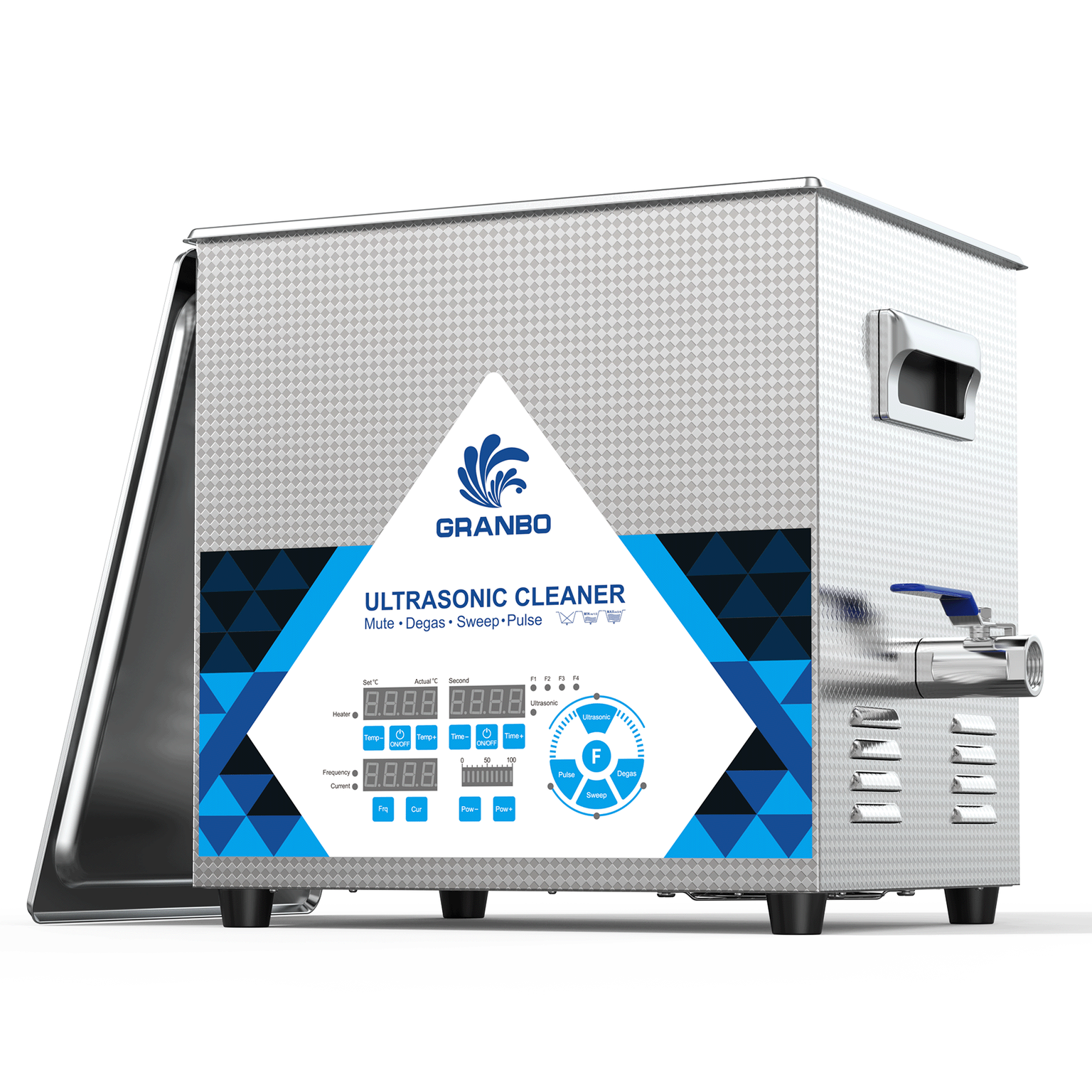
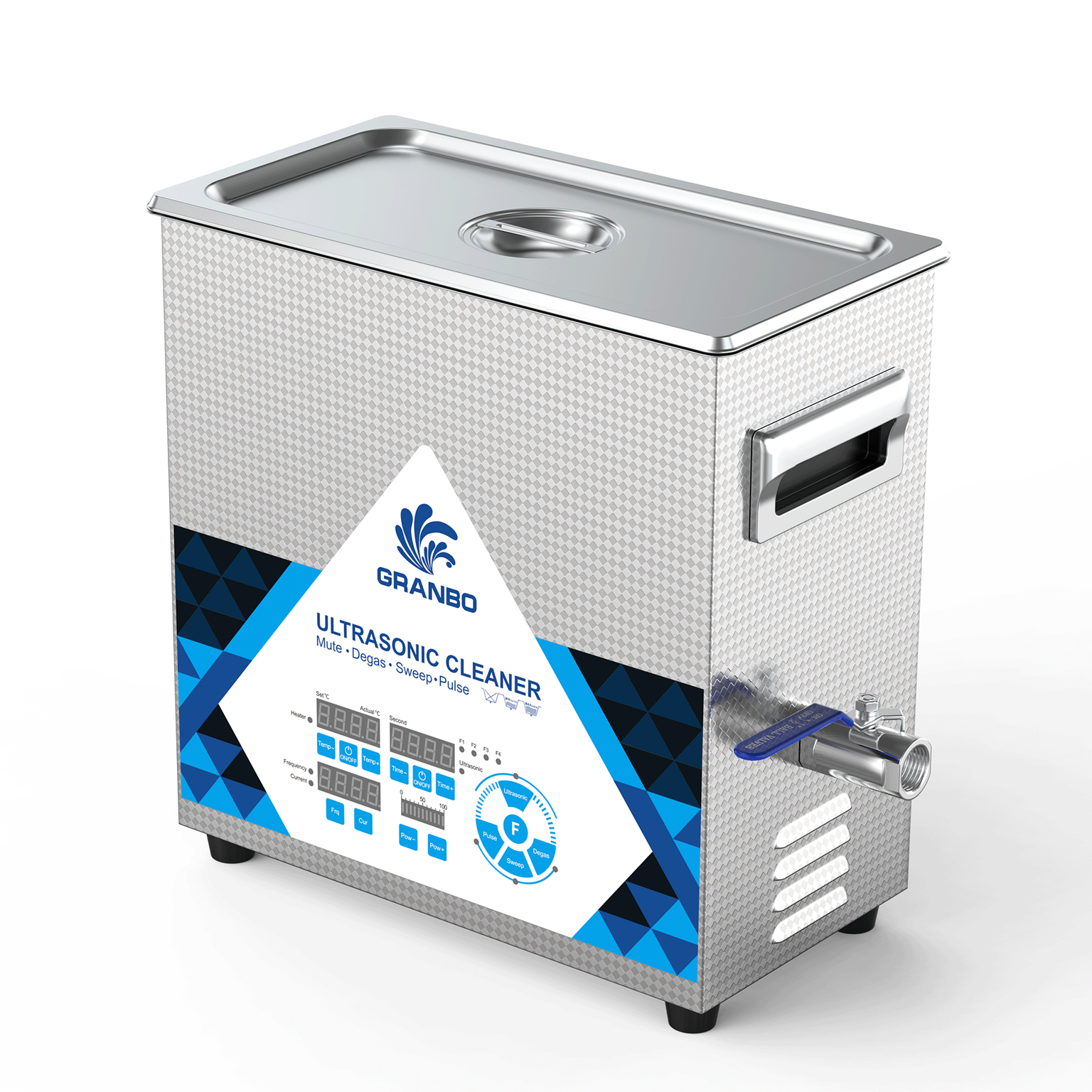
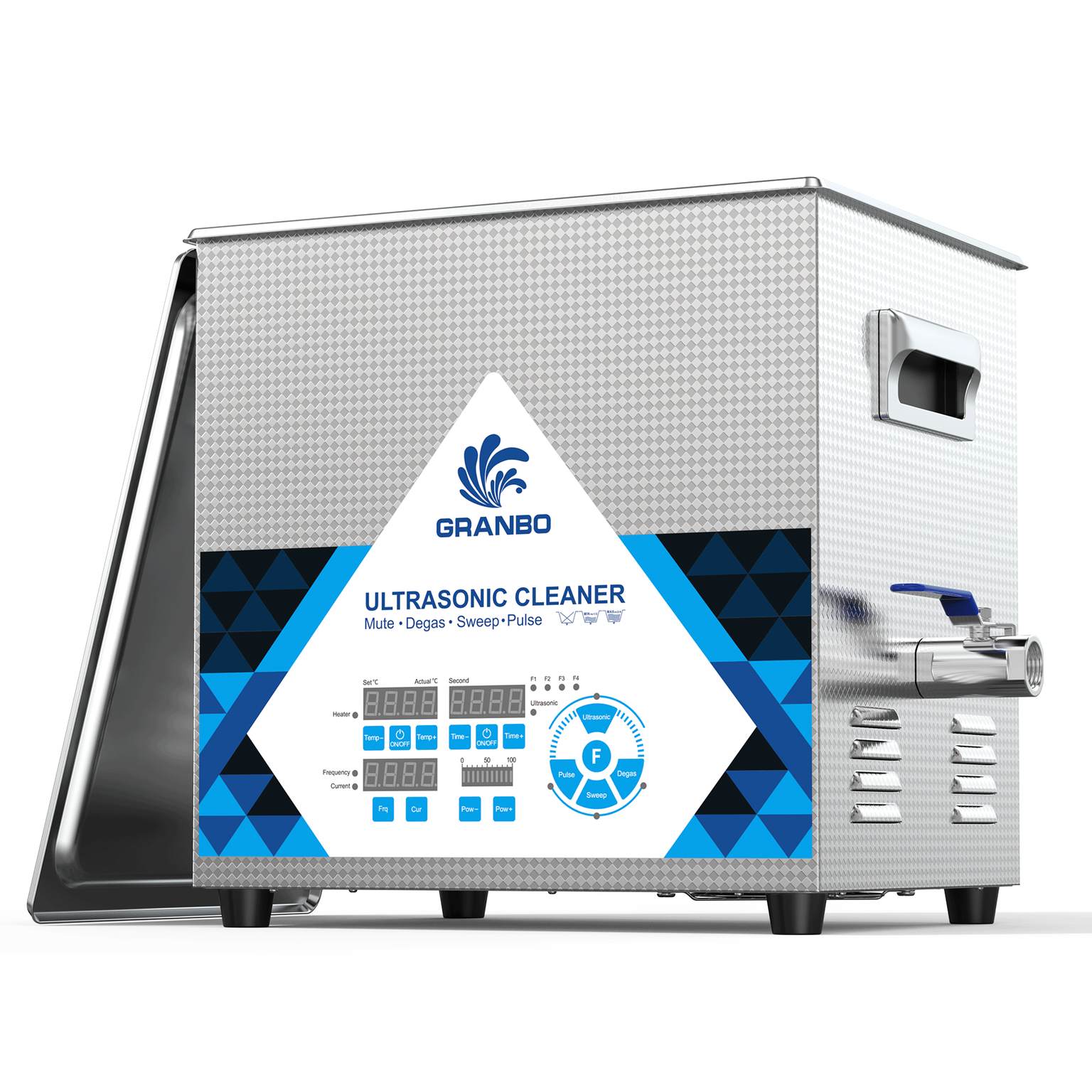
 Granbo Sonic












Do Ultrasonic Jewellery Cleaners Work?
Browse Volume:15 Classify:Support
Yes, ultrasonic jewellery cleaners work by using high-frequency sound waves to loosen dirt, oil, polishing compound, and other deposits from jewellery surfaces. They are particularly effective in areas that are difficult to reach with a cloth or brush, such as the underside of gemstone settings, between chain links, around prongs, and inside narrow grooves.
However, an ultrasonic cleaner is not suitable for every piece of jewellery. The cleaning process may damage treated gemstones, porous materials, fragile settings, loose stones, or jewellery containing adhesives and mixed materials. The correct answer is therefore conditional: ultrasonic jewellery cleaners work well when the jewellery, gemstone treatment, cleaning solution, and machine settings are compatible.
The technology is widely used in jewellery manufacturing, repair, and professional retail environments because it can remove contamination from complex three-dimensional parts. Research into jewellery-cleaning equipment has shown that factors such as detergent concentration, temperature, solution flow, ultrasonic power, and transducer positioning can affect cleaning efficiency. See Effect of Detergent, Temperature, and Solution Flow Rate on Ultrasonic Cleaning: A Case Study in the Jewelry Manufacturing Process (Research Reference).
For home users, the main issue is not whether the machine can remove dirt. The more important question is whether the jewellery can tolerate the process without damage.
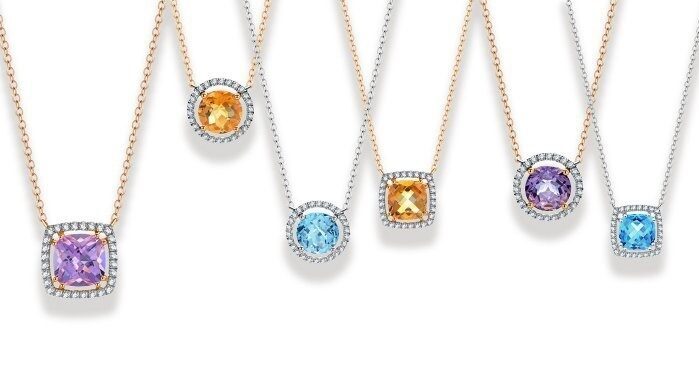
jewelry cleaner
Which Jewellery Is Suitable for Ultrasonic Cleaning?
Gold, Platinum, and Suitable Diamonds
Solid gold and platinum jewellery are often suitable for ultrasonic cleaning when the gemstones are compatible and the settings are secure. Untreated diamonds are generally durable enough for ultrasonic cleaning, although inclusions, fractures, stone-to-stone contact, and mounting condition still require attention.
GIA states that diamond is usually durable enough for an ultrasonic cleaner, but diamonds with many inclusions or certain treatments should be cleaned more cautiously. See April Birthstones | Diamond Birthstone Meaning & History | GIA (Professional Organization Guidance).
Diamond durability does not remove the need for a setting inspection. Prongs may be worn, solder joints may be weakened, and adjacent stones may touch at their girdles. Vibration can loosen a stone or contribute to chipping if the mounting is already compromised.
Gold and platinum are also not immune to chemical damage. Certain cleaning chemicals may attack alloying metals, surface finishes, solder, or plated sections. Mild, low-foaming jewellery-cleaning solutions are generally preferable to aggressive household chemicals.
Gemstones and Jewelry Materials That Require Caution
Not all gemstones are suitable for ultrasonic cleaning. While some stones may tolerate ultrasonic cleaning under specific conditions, others can be damaged by vibration, heat, cleaning solutions, or pre-existing internal fractures. The safety of ultrasonic cleaning depends not only on the gemstone type but also on treatments, coatings, fillings, and structural characteristics that may not be visible to the naked eye.
| Gemstone / Material | Why Caution Is Required |
|---|---|
| Emerald | Often treated with oil, resin, or fillers that may be affected during cleaning. Existing fractures can become more noticeable. |
| Opal | Sensitive to heat, rapid temperature changes, and moisture loss. |
| Tanzanite | Can be vulnerable to thermal shock and impact. |
| Turquoise | Porous material that may absorb liquids and cleaning chemicals. |
| Lapis Lazuli | Composite mineral structure can be affected by prolonged immersion or chemicals. |
| Malachite | Relatively soft and sensitive to acids, chemicals, and abrasive action. |
| Moonstone | May contain internal structures that increase the risk of cracking. |
| Sunstone | Internal inclusions may reduce resistance to ultrasonic vibration. |
| Fluorite | Soft gemstone with limited durability and scratch resistance. |
| Iolite | Cleavage characteristics may increase the risk of damage. |
| Kunzite | Sensitive to impact and certain environmental conditions. |
| Topaz | Cleavage planes can make the stone vulnerable to cracking. |
| Peridot | Existing inclusions may increase the risk of damage. |
| Zircon | Some stones may be susceptible to wear, heat, or vibration-related stress. |
| Pearls | Organic material that can lose luster or become damaged during ultrasonic cleaning. |
| Coral | Porous organic material that may absorb liquids and chemicals. |
| Amber | Soft organic material sensitive to heat and cleaning solutions. |
| Ivory, Shell, Tortoiseshell, Jet | Organic materials that may crack, discolor, or deteriorate when exposed to ultrasonic vibration. |
Special Considerations for Treated and Filled Gemstones
The presence of treatments can significantly affect whether a gemstone is suitable for ultrasonic cleaning. Stones that contain surface-reaching fractures, fracture-filling materials, oil treatments, wax impregnation, resin stabilization, coatings, or other enhancement methods may be damaged during the cleaning process. Even gemstones that are normally considered safe may become unsuitable if they have been treated.
According to guidance published by the Gemological Institute of America (GIA), ultrasonic cleaners should generally not be used for organic gem materials, gemstones with filled fractures, or stones that have been impregnated or coated with substances such as oil, wax, or plastic.
When the treatment history of a gemstone is unknown, a professional inspection is recommended before ultrasonic cleaning.
Safer Cleaning Alternatives for Sensitive Jewelry
For pearls, opals, emeralds, porous gemstones, and other sensitive materials, gentle hand cleaning is generally the safer option. Warm water, a mild jewelry-safe soap, a soft brush, and careful drying can help remove surface contaminants while reducing the risk of damage to delicate structures, coatings, or treatments.
What Jewelry Stains Can Be Cleaned with an Ultrasonic Cleaner?
A properly selected ultrasonic cycle may help remove:
- Skin oil and sebum
- Dust and fine particles
- Soap and lotion residue
- Makeup deposits
- Debris beneath suitable gemstones
- Contamination inside chain links
- Polishing compound left in narrow spaces
- Loose dirt around prongs, bezels, and clasps
Cleaning performance depends on whether the contamination is loosely attached or chemically bonded to the surface. Hardened mineral deposits, corrosion, permanent staining, and material trapped inside fractures may not be removed completely. Repeating longer cycles is not always an appropriate solution when the original contamination remains.
When Should Ultrasonic Cleaning Be Avoided?
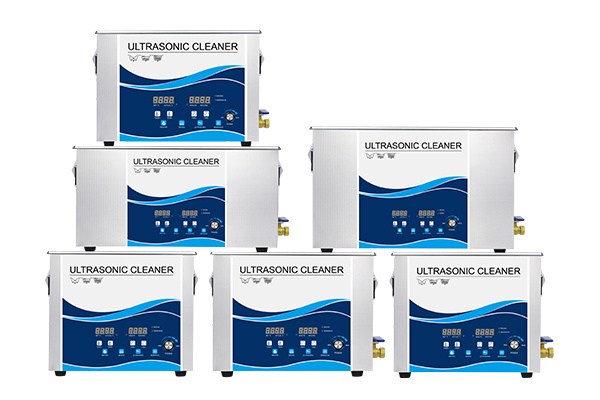
Granbo Ultrasonic Cleaner
Treated or Fracture-Filled Gemstones
Gemstone treatments are one of the most important factors in ultrasonic-cleaning decisions. Fracture filling, oiling, resin filling, waxing, dyeing, coating, and certain colour treatments may not be permanent or may require special care.
Fracture-filled diamonds are a significant example. The filling material is used to reduce the visibility of fractures, but it may be affected by heat, chemicals, repair work, or ultrasonic treatment. The Federal Trade Commission states that consumers should be informed when a gemstone treatment creates special care requirements, including situations where ultrasonic cleaners or solvents should be avoided. See In the Loupe: Advertising Diamond, Gemstones and Pearls (Government Consumer Guidance).
If a gemstone’s treatment history is unknown, ultrasonic cleaning should be postponed until the stone has been identified and assessed. A grading report, purchase documentation, or jeweller’s inspection may provide information about treatments and care requirements.
Loose, Damaged, or Antique Jewellery
Jewellery with loose stones, worn prongs, cracked settings, damaged clasps, loose enamel, or visible structural weakness should not be placed in an ultrasonic cleaner. Vibration can worsen a defect or cause a stone to fall out during the cycle.
Antique and estate jewellery require additional caution. Older pieces may contain thin metal sections, aged solder, fragile settings, previous repairs, or construction methods that are not obvious from a visual inspection.
A simple check can reveal whether a stone moves, but it cannot confirm the condition of every prong or solder joint. Valuable or structurally complex jewellery should be inspected by a qualified jeweller before ultrasonic cleaning.
Mixed-Material and Delicate Designs
Ultrasonic cleaning may be unsuitable for jewellery containing glued parts, soft stones, enamel, wood, leather, textile elements, hollow structures, or materials with different thermal expansion characteristics.
Rimmed settings usually provide more mechanical protection than exposed or tension settings, but construction varies. Pieces with stones positioned close together may be vulnerable to contact damage during vibration. The most sensitive component should determine the cleaning method for the complete item.
How to Use an Ultrasonic Jewellery Cleaner Correctly
Inspection Before Cleaning
Jewelry Cleaning
Before starting, identify the metal, gemstones, treatments, and construction method as far as possible. Inspect the jewellery under good lighting for loose stones, worn prongs, damaged clasps, cracks, peeling coatings, and attached parts that could detach.
If the piece has a gemological report or manufacturer care instructions, review them first. The presence of an untreated diamond does not make a ring safe if it also contains an ultrasonic-sensitive stone, a fragile setting, or an adhesive-mounted component.
Jewellery with unknown stones should be treated conservatively. Professional identification is usually less expensive than repairing a damaged gemstone or replacing a lost stone.
Water, Solution, and Loading
Use clean water and a cleaning solution specifically approved for ultrasonic equipment and jewellery materials. A low-foaming formulation is preferred because stable foam may reduce cavitation consistency.
Measure the solution according to its instructions. Increasing the detergent concentration does not necessarily improve cleaning and may increase residue, foaming, corrosion, or chemical exposure.
Place jewellery in a basket or holder rather than directly on the tank bottom. The pieces should be fully immersed but should not be packed tightly or allowed to strike one another. Use a clean water level within the manufacturer’s marked range.
Cycle Time, Rinsing, and Drying
Use a short, controlled cycle at the recommended temperature. Longer treatment may increase heat and mechanical exposure without producing a proportional cleaning benefit. Delicate jewellery should receive the least aggressive validated cycle.
After cleaning, remove the jewellery carefully over a secure work surface. Rinse it with clean water to remove loosened particles and cleaning-solution residue. A bowl or container is safer than rinsing over an open sink because a loose stone or small piece may otherwise be lost.
Dry the jewellery with a soft, lint-free cloth and inspect it again. Check that stones, prongs, clasps, and small components remain secure. If a stone has moved or the jewellery appears damaged, stop using it until it has been examined.
Common Problems and Maintenance
Jewellery Still Looks Cloudy
Cloudiness may be caused by remaining oil, mineral deposits, dried cleaning solution, surface damage, or a deteriorated coating. Replace contaminated water, rinse the jewellery, and inspect it under good lighting.
If the haze remains after proper rinsing and gentle cleaning, additional ultrasonic cycles may not help. The item may require professional polishing, coating assessment, or gemstone inspection.
Stones Become Loose
A loose stone after cleaning may indicate a pre-existing setting problem rather than damage created entirely by the machine. Ultrasonic vibration can expose weaknesses in worn prongs, bezels, or other mounting components.
Stop using the item and place it in a secure container. A jeweller should inspect the setting before the jewellery is worn or cleaned again.
Surface Damage or Discoloration
Discoloration may result from a gemstone treatment, dye, coating, chemical incompatibility, or excessive heat. Porous and treated stones are particularly vulnerable.
The jewellery should be removed from further chemical exposure and assessed by a qualified jeweller or gemologist. Abrasive polishing should not be attempted without understanding the metal and gemstone structure.
Tank Cleaning and Equipment Maintenance
The tank should be emptied, rinsed, and dried after each use. Particles, metal residue, oil, and detergent can accumulate on the tank walls, basket, drain, and lid. These residues may contaminate later loads or reduce cleaning consistency.
Important maintenance practices include:
- Emptying the tank after each cycle
- Removing residue from the basket and tank edges
- Wiping the tank with a soft, non-abrasive cloth
- Allowing the tank to dry between uses
- Checking cables, seals, and controls for damage
- Avoiding operation without sufficient liquid
- Following the manufacturer’s descaling instructions
- Stopping operation if unusual noise, overheating, or reduced cleaning performance occurs
Final Recommendation
Do ultrasonic jewellery cleaners work? Yes. They can effectively remove oil, dirt, polishing residue, and deposits from suitable jewellery, particularly around settings, chains, clasps, hinges, and other hard-to-reach areas.
They should not be used as a universal cleaner for every gemstone or jewellery design. Pearls, coral, amber, ivory, opal, turquoise, many treated stones, fracture-filled diamonds, fragile settings, and jewellery with unknown condition require caution or an alternative cleaning method.
For routine care, warm water, mild soap where appropriate, a soft brush, and a lint-free cloth are suitable for many pieces. An ultrasonic cleaner is most valuable when the jewellery has been correctly identified, the setting is structurally sound, and the cleaning solution and operating cycle are compatible with the materials.
When the gemstone treatment or setting condition is uncertain, professional inspection is the safer choice. The equipment can remove dirt effectively, but correct jewellery identification remains the most important part of the cleaning process.
References
- Ultrasonic Cleaners for Gems: What You Need to Know (Professional Organization Guidance)
- Holiday Buying Guide: How to Clean Jewelry (Professional Organization Guidance)
- April Birthstones | Diamond Birthstone Meaning & History | GIA (Professional Organization Guidance)
- In the Loupe: Advertising Diamond, Gemstones and Pearls (Government Consumer Guidance)
- Effect of Detergent, Temperature, and Solution Flow Rate on Ultrasonic Cleaning: A Case Study in the Jewelry Manufacturing Process (Research Reference)