 Granbo Sonic












Do Ultrasonic Jewelry Cleaners Loosen Stones?
Browse Volume:7 Classify:Support
Yes, ultrasonic jewelry cleaners can loosen stones, especially when a stone is already slightly loose, the setting is worn, or the jewelry contains a fragile or treated gemstone. A properly mounted stone in good condition may tolerate ultrasonic cleaning, but the vibration can expose weaknesses in prongs, bezels, channels, solder joints, or other parts of the setting.
The ultrasonic cleaner does not normally pull a securely mounted stone out of a sound setting without cause. The main risk is that high-frequency vibration can aggravate an existing problem that was already present but difficult to see. A worn prong, weakened claw, damaged bezel, or loose stone may become more noticeable after cleaning because the vibration removes dirt and applies repeated mechanical movement around the setting.
The Gemological Institute of America warns that ultrasonic vibration can sometimes shake gemstones loose or chip stones whose girdles are touching. It recommends checking that gemstones are securely set before and after cleaning. See Ultrasonic Cleaners for Gems: What You Need to Know (Professional Organization Guidance).
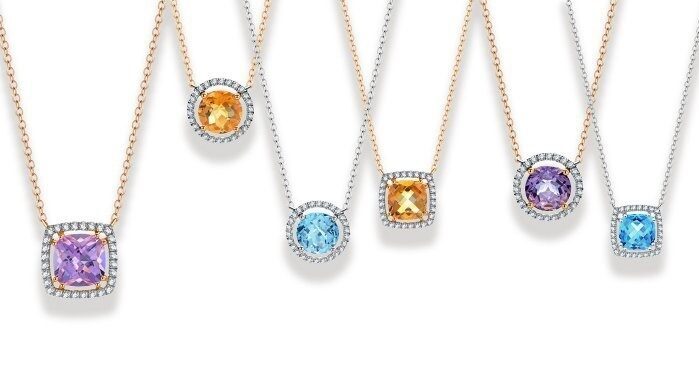
jewelry cleaner
Why Ultrasonic Cleaners Can Loosen Gemstones
Ultrasonic cleaners clean by generating acoustic cavitation—rapidly creating and collapsing millions of microscopic bubbles in liquid. While this powerful mechanical action easily dissolves deep-seated grease and grime, it can also cause gemstones to loosen or fall out due to several key factors:
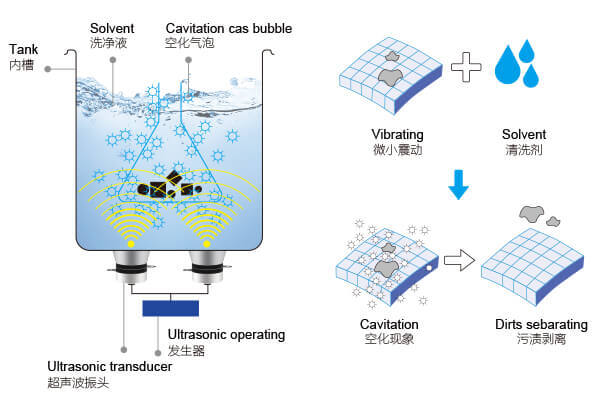
The Principle Behind Ultrasonic Cleaning
1. High-Frequency Mechanical Stress
Settings such as prongs, bezels, channels, and tension mounts naturally weaken over time through daily friction and minor impacts. The continuous micro-vibrations and pressure waves produced by an ultrasonic cycle apply repeated stress to these contact points. If a prong is already slightly bent or worn thin, the vibration can push it past its holding threshold, shifting the metal and freeing the stone.
2. The “Dirt as Glue” Effect (Revealing Hidden Looseness)
In frequently worn jewelry, accumulated lotion, soap scum, and oils often pack tightly into the gaps around the stone. This residue can act as temporary “cement,” making a structurally compromised stone feel completely solid to the touch. Once the ultrasonic cleaner dissolves this packed debris, the underlying looseness is instantly exposed—making it seem like the machine damaged the setting, when it actually just revealed an existing defect.
3. Breakdown of Adhesives and Organic Mountings
Not all gemstones are secured mechanically by metal. Many pieces (such as pearls, cameos, and inlaid gems) rely on specialized epoxies or glues. The combination of ultrasonic shockwaves, warm cleaning solutions, and detergents can rapidly degrade these adhesives, causing the stones to detach completely during the wash cycle.
4. Pressure on Fractured or Treated Stones
Gems with internal inclusions or surface enhancements (such as oil-treated emeralds or fracture-filled stones) are vulnerable to cavitation energy. Rapid pressure fluctuations can force liquid into micro-fractures or strip out stabilizing fillers, weakening the stone’s structural integrity from the inside out.
Key Takeaway: An ultrasonic cleaner only cleans—it cannot tighten prongs, repair cracked bezels, or restore worn metal. If a piece of jewelry has high value, delicate construction, or signs of wear, always have a jeweler inspect and tighten the settings before placing it in an ultrasonic tank.
Which Jewelry Is More Vulnerable?
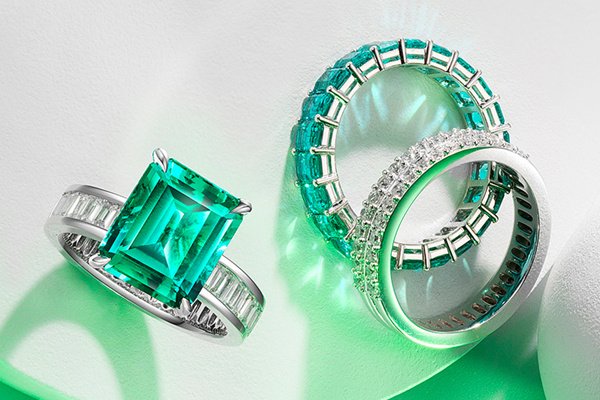
Jewelry
Loose, Worn, or Antique Settings
Jewelry with any visible movement should be excluded from ultrasonic cleaning. A simple warning sign is a stone that shifts, clicks, or rattles when the piece is gently handled. A prong that catches on fabric, appears shorter than the others, or looks bent should also be treated as a possible defect.
Antique and estate jewelry require additional caution. Older pieces may have thin metal, aged solder, weakened settings, previous repairs, or construction methods that are difficult to evaluate visually. The jewelry may look attractive and intact while having limited structural strength.
Rings that receive frequent impact are also more likely to have weakened settings. Everyday contact with hard surfaces, tools, countertops, and other objects can gradually deform prongs or loosen stones. Ultrasonic cleaning should follow, not replace, a setting inspection.
Treated and Fracture-Filled Gemstones
Gemstone treatment is a major factor in ultrasonic-cleaning safety. Fracture filling, oiling, resin filling, waxing, coating, dyeing, and impregnation may change the care requirements of a stone.
GIA advises against ultrasonic cleaning for gemstones with surface-reaching breaks that have been filled with oil, resin, or a glass-like substance. It also identifies organic materials, coated gems, and several heat-sensitive stones as unsuitable or high-risk for ultrasonic cleaning. See Ultrasonic Cleaners for Gems: What You Need to Know (Professional Organization Guidance).
The Federal Trade Commission states that consumers should be informed when a gemstone treatment creates special care requirements, including situations where ultrasonic cleaners or solvents should not be used. See In the Loupe: Advertising Diamond, Gemstones and Pearls (Government Consumer Guidance).
If treatment information is unknown, the jewelry should be cleaned using a gentler method until the stone has been identified or assessed by a qualified jeweler or gemologist.
Pearls, Opals, Emeralds, and Porous Materials
Pearls, coral, amber, ivory, shell, tortoiseshell, jet, and other organic or porous materials should generally not be placed in an ultrasonic cleaner. Heat, vibration, chemicals, and liquid absorption can affect these materials.
Emeralds may be treated with oil or resin to improve apparent clarity. Ultrasonic vibration can affect the filling material or worsen existing fractures. Opal, turquoise, lapis lazuli, malachite, and similar materials may also be porous, fractured, coated, or sensitive to temperature changes.
GIA lists several gemstones that should not be cleaned in an ultrasonic machine, including opal, turquoise, malachite, lapis lazuli, tanzanite, moonstone, sunstone, fluorite, iolite, kunzite, topaz, and zircon. The exact care requirement still depends on the individual stone and any treatments it has received.
How to Check Jewelry Before Ultrasonic Cleaning
Visual Inspection
Inspect the jewelry under bright, even lighting. Look for missing prongs, bent claws, gaps beneath a bezel, cracked metal, loose settings, damaged solder joints, and stones that appear tilted or uneven.
Examine the jewelry from multiple angles rather than only from the top. A stone may look secure from the face while the pavilion or underside is inadequately supported. Pay particular attention to halo, pavé, cluster, and channel settings because they contain multiple small stones and narrow structural features.
Movement and Setting Checks
Gently handle the jewelry and listen for rattling or clicking. Do not apply force to the gemstone. The purpose of the check is to identify obvious movement, not to test the strength of the setting.
A jeweler can use magnification and specialized tools to inspect prong thickness, seat condition, bezel contact, stone alignment, and wear. Professional inspection is especially important for high-value pieces, antique jewelry, treated gemstones, and jewelry that has recently suffered an impact.
When Professional Inspection Is Necessary
Professional inspection is recommended when the stone type or treatment is unknown, the jewelry contains delicate materials, the setting is old or repaired, or any stone appears loose.
GIA recommends avoiding ultrasonic cleaning when gemstone durability is uncertain and suggests professional cleaning when the user does not know whether the jewelry can tolerate the process. See Secrets to Keeping Your Diamond Sparkling (Professional Organization Guidance).
How to Use an Ultrasonic Jewelry Cleaner More Safely

Choosing the Cleaning Solution
Use clean water and a low-foaming solution intended for jewelry and ultrasonic equipment. Avoid bleach, chlorine, abrasive powders, toothpaste, and unapproved solvents. Some chemicals can damage metal alloys, coatings, gemstones, or tank components.
Ammonia-based solutions should not be treated as universal jewelry cleaners. Sensitive or treated gemstones may react poorly to chemicals, especially when the solution becomes warm during operation.
Loading the Jewelry
Place jewelry in the supplied basket or a suitable support rather than directly on the tank bottom. Items should not be stacked or allowed to strike each other during the cycle.
Chains should be arranged loosely, and small pieces should be secured to prevent them from entering the drain. Keep jewelry away from sharp tank edges and confirm that the liquid fully covers the item.
Controlling Time and Temperature
Use the shortest validated cycle and the lowest effective temperature. Longer exposure may increase heat and vibration without producing a proportional cleaning benefit.
Temperature is important because some gemstones and treatments are sensitive to heat or sudden changes. The heater should not be used automatically simply because the machine includes one.
Post-Cleaning Inspection
Inspect the jewelry immediately after cleaning. Check for movement, chipped edges, missing stones, damaged prongs, discoloration, or loosened components.
Rinse the jewelry in a secure container rather than directly over an open sink. If a stone has become loose, stop handling the piece unnecessarily and place it in a small secure container before arranging professional repair.
What to Do If a Stone Becomes Loose
If a stone moves, rattles, or falls out after ultrasonic cleaning, stop using the jewelry immediately. Do not continue the cycle, wear the piece, or attempt to tighten the setting with household tools.
Keep the jewelry and stone together in a labeled container. Avoid wrapping a loose stone in tissue where it could be discarded accidentally. A qualified jeweler can inspect the setting, determine whether the stone or mounting is damaged, and recommend repair.
A loose stone does not necessarily prove that the ultrasonic machine created the original defect. The setting may have been weakened before cleaning, and the vibration may have exposed the problem. A professional inspection can help distinguish pre-existing wear from damage that occurred during the cleaning process.
Safer Alternatives to Ultrasonic Cleaning
Warm water, mild soap, and a soft brush are suitable for many durable jewelry pieces. This method provides more direct control over the amount of mechanical force and is generally safer for jewelry with unknown treatment history.
A soft, lint-free cloth can remove surface oil and fingerprints from suitable metals and gemstones. A professional jeweler can also clean and inspect valuable jewelry using equipment and procedures selected for the specific materials.
For pearls, opals, turquoise, emeralds, organic materials, treated gemstones, antique pieces, and jewelry with loose settings, manual cleaning or professional service is usually the better option. A gentler method may take longer, but it reduces the risk of losing a stone or damaging a treatment.
References
- Ultrasonic Cleaners for Gems: What You Need to Know (Professional Organization Guidance)
- Holiday Buying Guide: How to Clean Jewelry (Professional Organization Guidance)
- Tips on Caring for Jewelry (Professional Organization Guidance)
- Secrets to Keeping Your Diamond Sparkling (Professional Organization Guidance)
- In the Loupe: Advertising Diamond, Gemstones and Pearls (Government Consumer Guidance)