 Granbo Sonic











Do Ultrasonic Cleaners Work for Retainers?
Browse Volume:25 Classify:Support
Dental retainers accumulate bacteria, plaque, and mineral deposits during daily wear. These deposits create unpleasant odors, discoloration, and potential health concerns if not properly removed. Traditional cleaning methods often fail to reach intricate spaces between wires, around clasps, and within textured surfaces where biofilm thrives.
Ultrasonic cleaning technology offers a solution that addresses the limitations of manual brushing and soaking. The method uses high-frequency sound waves to create microscopic cleaning bubbles that reach every surface of the retainer simultaneously. Understanding how this technology works, when it provides benefits, and how to use it correctly helps retainer wearers make informed decisions about their oral appliance maintenance.
Understanding How Ultrasonic Cleaning Technology Works
The Science Behind Cavitation Bubbles
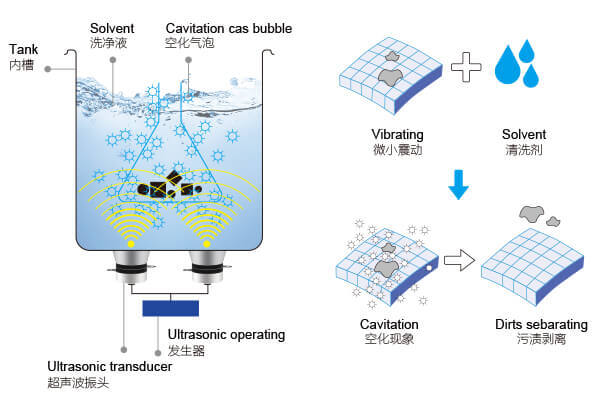
Ultrasonic cleaners typically operate within a commonly used frequency range of 20–68 kHz. The overall technical frequency range of ultrasonic cleaning systems spans approximately 17–200 kHz. These frequencies are well above the range of human hearing. A transducer bonded to the cleaning tank converts electrical energy into mechanical vibrations that propagate through the cleaning liquid.
The sound waves create alternating high-pressure and low-pressure zones throughout the liquid. During low-pressure phases, tiny bubbles form in the liquid. These cavitation bubbles grow over multiple pressure cycles until they reach an unstable size. When the bubbles encounter a high-pressure wave, they collapse violently.
The implosion of cavitation bubbles generates localized cleaning effects. Each bubble collapse produces a microscopic jet of liquid that impacts nearby surfaces at high velocity. Thousands of these impacts occur every second across every surface exposed to the cleaning solution. The physical action dislodges particles, disrupts biofilm, and lifts contamination from surfaces.
For dental retainers, this mechanism proves particularly valuable. The wire bends, acrylic contours, and tight spaces create areas that manual brushing cannot effectively reach. Cavitation bubbles form and collapse in these inaccessible zones, providing cleaning action equivalent to the exposed surfaces.
The Principle Behind Ultrasonic Cleaning
Frequency Settings and Their Impact on Cleaning Performance
Lower ultrasonic frequencies between 20-35 kHz produce larger cavitation bubbles that collapse more violently. This aggressive cleaning action suits heavily soiled items or robust materials. Higher frequencies from 40-50 kHz create smaller, gentler bubbles appropriate for delicate items.
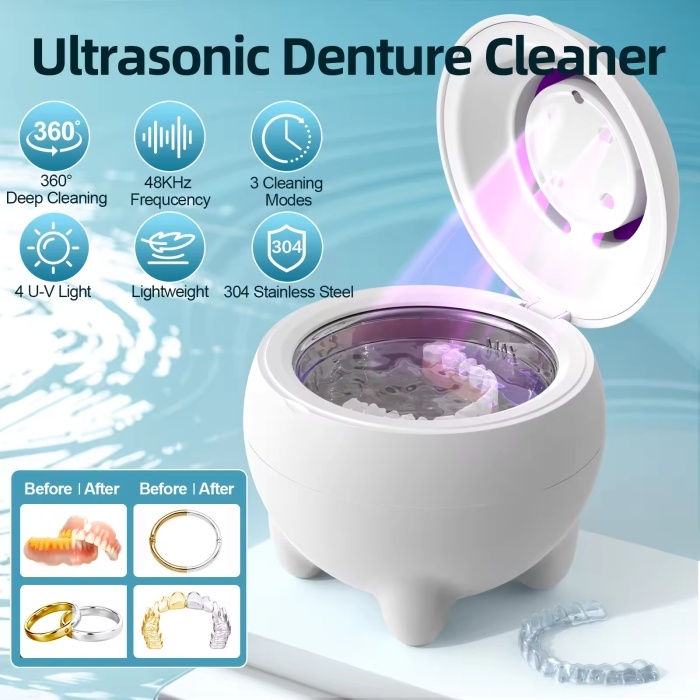
Dental retainers fall into the delicate category. The acrylic or plastic components can be damaged by excessive cavitation intensity. Most manufacturers design retainer cleaning units to operate at 40-68 kHz. This frequency range balances effective contamination removal with material safety.
Frequency also affects how well cleaning action penetrates narrow spaces. Higher frequencies produce more cavitation bubbles per unit volume. The smaller bubble size allows penetration into tighter gaps between wires and acrylic. This characteristic makes higher-frequency units more effective for dental appliances with intricate geometry.
Some advanced ultrasonic cleaners offer multiple frequency settings or sweep frequencies that vary during the cleaning cycle. Variable frequency operation prevents standing wave patterns that create dead zones where cavitation does not occur. Retainers receive more uniform cleaning coverage when frequency varies slightly during operation.
Do Ultrasonic Cleaners Effectively Clean Retainers?
Ultrasonic Dental Cleaner
Why Ultrasonic Cleaning Works for Dental Appliances
Ultrasonic cleaners demonstrate proven effectiveness for retainer cleaning when used properly. The technology addresses the fundamental challenges that make retainer cleaning difficult with conventional methods.
Retainers develop biofilm layers composed of bacteria embedded in protective matrices. This biofilm adheres tenaciously to surfaces and resists removal by rinsing or gentle brushing. Cavitation bubble collapse disrupts biofilm structure at the microscopic level. The physical impact breaks apart the protective matrix and dislodges bacterial colonies.
Mineral deposits from saliva accumulate on retainer surfaces over time. These deposits, primarily calcium phosphate and calcium carbonate, form crystalline structures that bond to the retainer material. Chemical dissolution requires extended soaking in acidic solutions. Ultrasonic cleaning accelerates mineral deposit removal by combining mechanical disruption with chemical action when appropriate cleaning solutions are used.
Food particles and debris lodge in narrow spaces between wire components and acrylic sections. Manual brushing cannot reach these areas effectively. The omnidirectional nature of ultrasonic cleaning ensures cavitation occurs throughout the entire retainer volume. Particles trapped in inaccessible locations experience the same cleaning intensity as exposed surfaces.
Clinical testing demonstrates measurable improvements in retainer cleanliness after ultrasonic treatment. Bacterial counts decrease by 95-99% compared to manual brushing alone. Visual inspection shows removal of discoloration and deposits that resist other cleaning methods. Odor reduction occurs as odor-causing bacteria are eliminated.
Types of Contamination Ultrasonic Cleaners Remove from Retainers
Bacterial biofilm represents the primary contamination concern for retainer wearers. Multiple bacterial species colonize retainer surfaces, including Streptococcus mutans, Candida albicans, and various anaerobic bacteria. These microorganisms contribute to tooth decay, gum disease, and oral infections if transferred from contaminated retainers to oral tissues.
Ultrasonic cleaning disrupts biofilm through mechanical action and enhances antimicrobial solution effectiveness. Cavitation breaks the protective biofilm matrix, exposing bacteria to cleaning solution chemistry. Studies show ultrasonic cleaning combined with appropriate solutions achieves logarithmic reductions in bacterial populations.
Plaque and tartar buildup occurs on retainers similarly to natural teeth. Soft plaque forms from food residues, proteins, and bacteria. If not removed promptly, plaque mineralizes into hardened tartar. Ultrasonic cleaning effectively removes soft plaque before mineralization occurs. Light tartar deposits also respond to ultrasonic treatment, though heavy calculus may require professional scaling.
Protein deposits from saliva accumulate as thin films on retainer surfaces. These protein layers feel slimy and contribute to odor development. Enzymatic cleaning solutions combined with ultrasonic agitation digest protein deposits effectively. The cavitation action ensures enzyme contact with all contaminated surfaces.
Staining and discoloration develop from dietary components, tobacco use, and bacterial pigment production. Coffee, tea, red wine, and berries cause external staining. Some bacteria produce colored metabolic byproducts that stain retainers from within the biofilm. Ultrasonic cleaning with mild oxidizing solutions removes many stains that resist brushing.
Food debris and particles become trapped in retainer components despite rinsing after meals. Rice grains, vegetable fibers, and bread particles wedge into tight spaces. Ultrasonic cleaning dislodges these particles efficiently. The cleaning solution carries debris away from the retainer into suspension where it can be rinsed away.
Different Types of Retainers and Ultrasonic Compatibility
Braces
Hawley Retainers and Metal Wire Components
Hawley retainers feature molded acrylic bodies that fit against the palate or tongue side of teeth, combined with stainless steel wire clasps that wrap around teeth. This traditional design has been used for decades and presents ideal characteristics for ultrasonic cleaning.
The stainless steel wire components tolerate ultrasonic vibration without damage. Metals do not suffer from cavitation erosion at the intensities used in dental cleaning applications. The wire bends and loops create exactly the type of complex geometry where ultrasonic cleaning excels. Cavitation bubbles form around all wire surfaces simultaneously, removing contamination from areas that toothbrushes cannot reach.
The acrylic body material shows excellent ultrasonic compatibility. Acrylic resins used in dental applications withstand repeated ultrasonic exposure without structural degradation. The polymer matrix does not crack, craze, or discolor from cavitation effects when cleaning temperatures remain moderate.
Hawley retainers may incorporate decorative elements, embedded designs, or colored acrylic sections. These aesthetic features require the same cleaning as standard acrylic. Ultrasonic cleaning maintains appearance without fading colors or damaging embedded decorations.
The junction where metal wires embed into acrylic deserves attention. This interface creates crevices where contamination accumulates. Manual cleaning struggles to access these tight spaces. Ultrasonic cleaning penetrates the wire-acrylic interface effectively, removing trapped debris and preventing buildup that could compromise the bond.
Clear Plastic Retainers (Essix-Style)
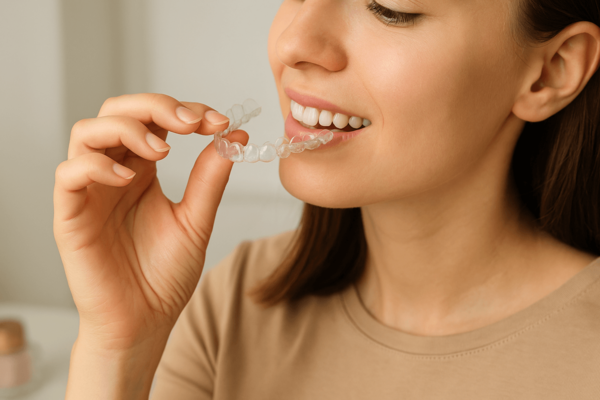
Clear plastic retainers, commonly called Essix retainers or clear aligners, are manufactured from thermoplastic materials. These include polyurethane, polypropylene, and various copolymers designed for dental use. The thin, transparent construction requires careful consideration for ultrasonic cleaning.
Modern dental thermoplastics generally tolerate ultrasonic cleaning when proper parameters are followed. The materials resist cavitation damage at standard cleaning frequencies. Manufacturers of quality clear retainers test their materials for ultrasonic compatibility during product development.
However, clear retainers show greater sensitivity to temperature than Hawley-style appliances. Excessive heat distorts the plastic, altering the precise fit required for effective tooth retention. Ultrasonic cleaners generate heat during operation through transducer inefficiency and cavitation energy conversion. Temperature control becomes critical for clear retainer cleaning.
Operating at room temperature or using cooled cleaning solutions protects clear retainers from heat distortion. Many dedicated retainer cleaning units limit temperature to 35-40 degrees Celsius maximum. This range provides effective cleaning while maintaining a safe margin below the glass transition temperature of dental thermoplastics.
Clear retainers accumulate clouding and haze from protein deposits and micro-scratching during wear. Ultrasonic cleaning with appropriate solutions can restore clarity by removing surface films. However, physical scratches in the plastic cannot be repaired by cleaning. Preventing scratches through careful handling and storage maintains retainer appearance better than attempting restoration.
Fixed Bonded Retainers and Cleaning Limitations
Fixed bonded retainers consist of metal wires permanently attached to the tongue side of teeth using dental composite. These retainers cannot be removed for cleaning, presenting unique maintenance challenges. Ultrasonic cleaning offers no direct benefit for fixed retainers since the appliance cannot be placed in the cleaning unit.
However, retainer wearers often have both removable and fixed retainers simultaneously. Understanding this distinction prevents confusion about which appliances benefit from ultrasonic cleaning. Only removable retainers can be ultrasonically cleaned.
Fixed retainer maintenance relies on careful manual brushing, flossing threaders, and interdental brushes. Professional dental cleanings provide the most thorough contamination removal for bonded retainers. Some dental practices use ultrasonic scalers during professional cleanings, but these are different instruments from home ultrasonic cleaning tanks.
Material Safety Considerations for Retainer Cleaning
Acrylic and Plastic Temperature Tolerances
Dental acrylic used in Hawley retainers typically consists of polymethyl methacrylate (PMMA) or modified acrylic resins. These materials maintain dimensional stability and mechanical properties within specific temperature ranges. Exceeding safe temperature limits causes warping, distortion, or stress cracking.
Standard dental acrylic tolerates temperatures up to 60-70 degrees Celsius for brief periods without immediate damage. However, repeated exposure to elevated temperatures accelerates aging and degradation. Maintaining ultrasonic cleaning temperatures below 45 degrees Celsius provides adequate safety margin for long-term retainer durability.
Clear retainer thermoplastics show lower heat tolerance than traditional acrylic. Materials like polyurethane and polypropylene soften at temperatures between 50-80 degrees Celsius depending on specific formulation. The thin cross-section of clear retainers offers less thermal mass to resist temperature-induced deformation.
Ultrasonic cleaners designed specifically for dental appliances incorporate temperature monitoring and control features. These units prevent solution temperature from exceeding safe limits during operation. General-purpose ultrasonic cleaners may lack temperature controls, requiring manual monitoring to prevent overheating.
Starting with room-temperature or cool water reduces heat accumulation during cleaning cycles. A typical 3-5 minute cleaning cycle produces limited temperature rise from room temperature starting point. Multiple consecutive cleaning cycles allow heat to accumulate, potentially reaching levels that stress retainer materials.
Metal Wire Compatibility with Ultrasonic Vibration
Stainless steel wires used in Hawley retainers and other dental appliances demonstrate excellent ultrasonic compatibility. The material properties of stainless steel prevent damage from ultrasonic frequencies used in cleaning applications.
Concerns about metal fatigue from ultrasonic vibration prove unfounded for dental cleaning scenarios. Metal fatigue requires millions of stress cycles at significant amplitude. A 5-minute ultrasonic cleaning cycle at 40 kHz produces 12 million vibration cycles. However, the stress amplitude on retainer wires remains far below the endurance limit where fatigue cracks initiate.
Retainer wires undergo vastly greater mechanical stress during normal wear from chewing forces and jaw movement. The gentle vibration from ultrasonic cleaning represents negligible additional fatigue loading. Decades of ultrasonic cleaner use in dental practices demonstrate no increased retainer wire failure rates.
Precious metal alloys sometimes used in retainer construction also tolerate ultrasonic cleaning. Gold alloys, platinum group metals, and titanium all resist cavitation erosion and maintain structural integrity through ultrasonic exposure.
Solder joints where wire sections connect require no special consideration. Properly executed dental solder joints create metallurgical bonds as strong as the base wire. Ultrasonic cleaning does not preferentially attack or weaken these joints.
Adhesive and Bonding Integrity Concerns
Some retainers incorporate bonded components where dissimilar materials join using adhesives. Concern exists that ultrasonic vibration might degrade adhesive bonds over time. Evaluation of this risk requires understanding adhesive types and bonding mechanisms.
Dental acrylic chemically bonds to embedded metal components during the manufacturing process. The acrylic monomer wets and mechanically interlocks with roughened metal surfaces before polymerization. This creates a primary chemical bond rather than relying on secondary adhesive forces. Ultrasonic cleaning does not affect this type of integral bonding.
Repairs to damaged retainers sometimes use cyanoacrylate or other secondary adhesives. These repair bonds show variable quality depending on application technique and surface preparation. Ultrasonic cleaning may expose poorly executed repairs by stressing weak adhesive joints. This outcome actually benefits users by revealing repairs requiring professional redo before catastrophic failure occurs during wear.
Decorative elements occasionally attach to retainer surfaces using adhesives. Rhinestones, colored inserts, or custom designs may rely on adhesive bonding. Users should verify decorative additions are securely attached before ultrasonic cleaning. Well-bonded decorations survive ultrasonic exposure, while loose or poorly attached elements may detach.
Proper Operating Procedures for Cleaning Retainers
Selecting the Right Cleaning Solution
Plain water provides the medium necessary for cavitation to occur but offers limited chemical cleaning action. Water-only ultrasonic cleaning removes loose debris and some biofilm through purely mechanical means. Enhanced results require adding appropriate cleaning solutions.
Specialized retainer cleaning solutions formulated for ultrasonic use combine surfactants, antimicrobial agents, and enzymes. These products optimize cavitation performance while delivering chemical cleaning action. Manufacturers design the solutions for compatibility with dental materials and safety for oral appliance use.
Surfactants reduce surface tension, allowing cavitation bubbles to form more easily and cleaning solution to penetrate contaminated surfaces better. Non-ionic surfactants provide effective cleaning without material compatibility concerns. Enzyme additives digest protein deposits and biofilm matrices. Proteases break down salivary proteins while amylases address starch-based residues.
Mild alkaline solutions using baking soda (sodium bicarbonate) at 1-2% concentration provide safe, effective cleaning. The slightly elevated pH helps dissolve organic deposits and provides mild antibacterial effects. Baking soda solutions show excellent material compatibility with all retainer types.
Denture cleaning solutions designed for ultrasonic use adapt well to retainer cleaning. These formulations address similar contamination types and material compatibility requirements. Tablet or powder formats simplify dilution to proper concentrations. Solutions containing peroxide or persulfate provide oxidizing action that whitens and sanitizes.
What to avoid: Harsh chemicals damage retainer materials or create safety concerns. Chlorine bleach degrades acrylic and corrodes metal components over time. Alcohol solutions dry out acrylic, causing brittleness and cracking. Acidic solutions like vinegar may etch acrylic surfaces and corrode metal wires. Abrasive cleaners scratch plastic surfaces, creating roughened areas that harbor bacteria.
Optimal Temperature and Time Settings
Room temperature operation between 20-25 degrees Celsius provides safe, effective cleaning for all retainer types. Starting with cool water prevents excessive temperature rise during the cleaning cycle. Heat generation during ultrasonic operation typically raises temperature by 5-10 degrees Celsius over a 5-minute cycle.
Slightly elevated temperatures between 30-40 degrees Celsius enhance cleaning effectiveness by increasing chemical reaction rates and reducing solution viscosity. This temperature range suits Hawley retainers and other acrylic appliances. Clear plastic retainers require more conservative temperature limits below 35 degrees Celsius to prevent distortion.
Cleaning cycle duration between 3-8 minutes suffices for routine retainer maintenance. Shorter cycles of 3-5 minutes remove daily accumulation of bacteria and light deposits. Extended cycles up to 8-10 minutes address heavier contamination or less frequent cleaning schedules.
Excessive cleaning duration provides no additional benefit and may contribute to material degradation over time. Continuous ultrasonic exposure for 20-30 minutes stresses retainer materials unnecessarily. Multiple short cleaning cycles separated by inspection periods prove more effective than single extended cycles.
Recommended cleaning frequency depends on individual factors including oral hygiene, dietary habits, and retainer wear schedule. Daily ultrasonic cleaning suits individuals wearing retainers full-time. This frequency prevents contamination buildup and maintains optimal hygiene. Part-time retainer wearers may clean ultrasonically 2-3 times weekly, supplemented with rinsing and brushing between cleanings.
Loading Techniques to Prevent Damage
Proper retainer positioning in the ultrasonic tank affects cleaning results and prevents damage. Retainers should sit freely in the cleaning solution without resting on tank bottom or touching tank walls.
Plastic baskets included with many ultrasonic cleaners suspend items in the cleaning zone while preventing contact with the tank bottom. Direct contact with vibrating tank surfaces may cause chattering and impact damage. Baskets also prevent retainers from blocking the transducer, which reduces cleaning effectiveness.
Orientation matters less than immersion. Retainers may be positioned horizontally, vertically, or at any angle provided all surfaces remain fully submerged. Air pockets trapped in recessed areas reduce cleaning effectiveness in those zones. Gentle agitation before starting the cycle releases trapped air bubbles.
Multiple retainers can be cleaned simultaneously if tank capacity allows. Retainers should not overlap or nest together. Maintaining separation ensures cleaning solution and cavitation bubbles reach all surfaces. Wire components of different retainers should not interlock or become tangled.
Jewelry and other small items should not be cleaned simultaneously with retainers. Cross-contamination concerns make dedicated retainer cleaning sessions preferable. Additionally, hard items like jewelry may impact against retainers during ultrasonic agitation, potentially causing scratches or chips.
Comparing Ultrasonic Cleaning to Traditional Methods
Manual Brushing Effectiveness and Limitations
Soft-bristle toothbrushes represent the most basic retainer cleaning method. Gentle brushing with water or mild soap removes surface contamination visible to the naked eye. This method costs nothing beyond materials already owned for dental care.
However, manual brushing suffers from significant limitations. Bristles cannot reach spaces between wires, under clasps, or into textured acrylic surfaces. These inaccessible areas harbor bacteria and deposits that continue developing despite daily brushing. The operator’s technique and diligence directly affect cleaning thoroughness, introducing human variability.
Aggressive brushing damages retainer surfaces. Excessive pressure scratches acrylic and abrades clear plastic. Scratches create roughened surfaces that accumulate contamination more rapidly. The micro-damage accumulates over time, progressively degrading retainer appearance and hygiene.
Bristle wear compounds effectiveness limitations. Splayed, worn bristles lose cleaning ability while potentially becoming more abrasive. Users may not replace brushes frequently enough, cleaning with degraded tools.
Soaking Solutions and Chemical Cleaners
Chemical soaking represents a passive cleaning approach. Retainers submerge in cleaning solutions for specified durations, relying on chemical action without mechanical agitation. Denture cleaning tablets, retainer cleaning crystals, and mouthwash solutions all serve this purpose.
Soaking dissolves surface deposits and provides antimicrobial action. Extended contact time allows chemical reactions to progress. Oxidizing solutions bleach stains and kill bacteria. Enzymatic solutions digest protein deposits over hours-long soaking periods.
The primary limitation involves contact time requirements. Effective chemical cleaning typically requires 15 minutes to several hours depending on solution type and contamination level. Busy schedules make extended soaking periods inconvenient. Users may shorten soaking time below effective thresholds.
Chemical solutions show reduced effectiveness in areas with limited solution circulation. Stagnant solution in tight spaces does not contact contaminated surfaces effectively. Deposits in these protected zones persist despite chemical exposure in open areas.
Some chemical cleaners create material compatibility concerns. Harsh oxidizers may bleach colored acrylic or degrade plastic over time. Strongly alkaline or acidic solutions etch surfaces or corrode metal components. User error in solution concentration causes damage from overly concentrated chemicals.
Time Efficiency and Thoroughness Comparison
Ultrasonic cleaning delivers superior results in less time compared to manual methods. A 5-minute ultrasonic cycle achieves cleanliness equivalent to 20-30 minutes of careful manual brushing and soaking combined.
The time savings prove particularly valuable for consistent daily compliance. Retainer wearers often skip thorough cleaning due to time constraints. Ultrasonic cleaning reduces effort requirements, improving long-term adherence to cleaning protocols.
Cleaning thoroughness measures include visual appearance, bacterial count reduction, and deposit removal. Ultrasonic cleaning excels in all categories. Visual inspection shows noticeably cleaner retainers with restored clarity and color. Microbiological testing demonstrates 95-99% bacterial reduction compared to 60-80% from brushing alone.
Deposit removal from inaccessible areas provides the most significant advantage. Manual methods leave contamination in spaces between wires, under clasps, and within textured surfaces. Ultrasonic cleaning reaches these areas as effectively as exposed surfaces, providing truly comprehensive cleaning.
Common Problems Ultrasonic Cleaners Solve for Retainer Wearers
Removing Stubborn Plaque and Biofilm Buildup
Plaque that hardens onto retainer surfaces resists removal by brushing or simple soaking. The calcified matrix adheres strongly to acrylic and metal surfaces. Manual scraping risks scratching retainer surfaces or breaking delicate components.
Ultrasonic cleaning breaks the bond between calcified deposits and retainer surfaces. Cavitation bubble collapse generates localized stress that fractures hardened deposits. Combined with appropriate chemical solutions, ultrasonic treatment removes deposits that otherwise require professional intervention.
Biofilm forms protective matrices that shield bacteria from antimicrobial solutions. The polysaccharide structure resists penetration by cleaning chemicals. Mechanical disruption becomes necessary for effective biofilm removal.
Cavitation provides the mechanical action needed to destroy biofilm architecture. The physical impact of bubble collapse tears apart the protective matrix. Once biofilm structure is compromised, antimicrobial agents in the cleaning solution access and eliminate the bacterial colonies.
Eliminating Odor-Causing Bacteria
Retainer odor stems primarily from bacterial metabolism. Anaerobic bacteria produce volatile sulfur compounds that create characteristic unpleasant smells. These bacteria colonize areas protected from oxygen exposure, typically in crevices and under deposits.
Manual cleaning often fails to reach anaerobic bacterial colonies in protected microenvironments. The bacteria continue reproducing and generating odor compounds despite surface cleaning. Persistent odor indicates incomplete contamination removal.
Ultrasonic cleaning penetrates all retainer surfaces simultaneously. Bacteria in protected crevices experience the same cleaning intensity as exposed surfaces. The comprehensive contamination removal eliminates odor sources rather than temporarily masking them.
Antimicrobial cleaning solutions enhance bacterial elimination when combined with ultrasonic agitation. The cavitation disrupts biofilm protection, allowing antimicrobial chemicals to contact bacterial cells directly. This combination achieves logarithmic bacterial reductions.
Reaching Inaccessible Areas Between Wires
Hawley retainers feature wire clasps that loop around teeth and connect to the acrylic body. The spaces where wires contact acrylic create narrow crevices measuring less than 0.5mm in some locations. Toothbrush bristles cannot penetrate these gaps.
Food particles, plaque, and bacteria accumulate in wire-acrylic junctions over time. The trapped contamination serves as a reservoir that recontaminates cleaned surfaces. Without removing these deposits, cleaning effectiveness remains limited.
Cavitation bubbles form in liquid-filled spaces regardless of accessibility. The microscopic bubble size allows penetration into sub-millimeter gaps. Bubble collapse in these confined spaces generates cleaning action equivalent to open surfaces.
Testing with indicator dyes demonstrates ultrasonic penetration into wire-acrylic junctions. Dye placed in these crevices before ultrasonic cleaning disappears completely within 3-5 minutes. Manual brushing shows minimal dye removal even after extended effort.
Potential Risks and How to Avoid Them
Overheating Damage to Plastic Components
Excessive temperature represents the primary risk factor for retainer damage during ultrasonic cleaning. Heat sources include elevated solution starting temperature, ultrasonic heat generation, and auxiliary heaters in some cleaning units.
Clear plastic retainers show particular vulnerability to heat distortion. Temperature exceeding 50-60 degrees Celsius causes visible warping within minutes. The retainer loses its precise fit, rendering it ineffective for tooth retention. Damaged retainers require expensive replacement.
Prevention strategies focus on temperature monitoring and control. Starting with room-temperature or cool water establishes safe baseline conditions. Operating for 5 minutes or less limits heat accumulation from ultrasonic operation. Digital thermometers verify solution temperature before and during cleaning.
Ultrasonic cleaners with built-in heaters should have heating disabled for retainer cleaning. The heating element serves purposes like jewelry degreasing that require elevated temperature. Dental appliances need no intentional heating beyond ambient operation.
Excessive Cleaning Duration Effects
Operating ultrasonic cleaners for extended periods provides diminishing returns while potentially stressing retainer materials. The first 3-5 minutes of operation remove the majority of accessible contamination. Extended operation beyond 10 minutes shows minimal additional cleaning benefit.
Continuous ultrasonic exposure for 20-30 minutes may accelerate material aging. Acrylic shows increased surface crazing after excessive cumulative ultrasonic exposure. Clear plastics develop micro-cracking and haze. These effects take months or years of daily over-treatment to manifest.
Reasonable cleaning duration limits prevent cumulative damage. Cycles of 3-8 minutes provide thorough cleaning while maintaining conservative exposure limits. Visual inspection between cycles determines if additional treatment is needed rather than defaulting to maximum duration.
Using Incorrect Cleaning Solutions
Chemical incompatibility between cleaning solutions and retainer materials causes various damage types. Harsh chemicals dissolve plastics, corrode metals, or etch surfaces. The damage may appear immediately as clouding or discoloration, or develop gradually as brittleness and cracking.
Chlorine bleach attacks acrylic resins, causing yellowing, brittleness, and stress cracking. Metal wires corrode in bleach solutions. Despite bleach’s strong antimicrobial properties, the material damage makes it unsuitable for retainer cleaning.
Strong acids like vinegar or citric acid concentrates etch acrylic surfaces, creating permanent cloudiness. While dilute acid solutions may be safe, concentration control becomes critical. Uncertainty about safe dilution ratios favors pH-neutral solutions instead.
Alcohol-based solutions dry out acrylic by extracting plasticizers from the polymer matrix. The material becomes brittle and prone to cracking. Rubbing alcohol or mouthwash with high alcohol content should not be used in ultrasonic cleaners.
Manufacturer-specified cleaning solutions eliminate compatibility concerns. These formulations undergo testing for material safety with dental appliances. Following manufacturer recommendations prevents inadvertent damage from experimental chemical use.
Best Practices for Long-Term Retainer Care
Ultrasonic cleaning integrates into comprehensive retainer maintenance programs rather than serving as the sole care method. Combining multiple approaches maximizes retainer lifespan and hygiene.
Daily rinsing after retainer removal prevents contamination from drying onto surfaces. Lukewarm water rinses away saliva, food particles, and loose debris. This simple habit dramatically reduces the contamination burden that subsequent cleaning must address.
Weekly deep cleaning using ultrasonic methods maintains thorough hygiene. Daily ultrasonic cleaning proves unnecessary for part-time retainer wearers. Weekly ultrasonic cycles combined with daily rinsing and occasional manual brushing provide adequate maintenance.
Proper storage between wear periods protects retainers from contamination, damage, and distortion. Dry storage cases prevent bacterial growth better than moist environments. However, retainers should be cleaned before storage, not placed away while contaminated.
Professional inspection during regular dental checkups identifies developing problems before they become serious. Dentists assess retainer fit, detect cracks or damage, and verify cleaning effectiveness. Professional replacement recommendations prevent extended use of degraded retainers.
Ultrasonic cleaners effectively clean dental retainers when used according to proper protocols. The technology removes bacteria, biofilm, plaque, and deposits from all retainer surfaces including areas inaccessible to manual cleaning methods. Material compatibility concerns are managed through appropriate temperature control, cleaning duration limits, and compatible solution selection. Clear plastic retainers require more conservative temperature limits than traditional Hawley retainers with acrylic and metal construction. Combining ultrasonic cleaning with daily rinsing and periodic professional evaluation provides optimal retainer hygiene and longevity. Selecting ultrasonic cleaners with 40-45 kHz frequency, appropriate tank size, and temperature monitoring features ensures safe, effective retainer maintenance for years of reliable service.