 Granbo Sonic









Ultrasonic Jewelry Cleaners: A Complete Guide to Making the Right Choice
Browse Volume:80 Classify:Support
Every jewelry owner faces the same frustrating challenge. Your favorite pieces gradually lose their sparkle, collecting dirt, oils, and residue in places your toothbrush simply cannot reach. You’ve probably stood at the jewelry counter wondering whether those small, buzzing ultrasonic cleaners actually deliver results worth their price tag.
The market for at-home jewelry cleaning devices has exploded over the past decade, with ultrasonic cleaners taking center stage. These compact machines promise professional-grade cleaning without the hassle of scheduling appointments or paying recurring service fees. But separating marketing hype from genuine value requires a deeper look at what these devices can and cannot do.
Understanding whether an ultrasonic jewelry cleaner deserves space on your countertop depends on multiple factors. Your jewelry collection, cleaning frequency, budget constraints, and expectations all play crucial roles in determining the answer. Some people swear by their ultrasonic cleaners, using them weekly for years. Others find them collecting dust after a few disappointing attempts.
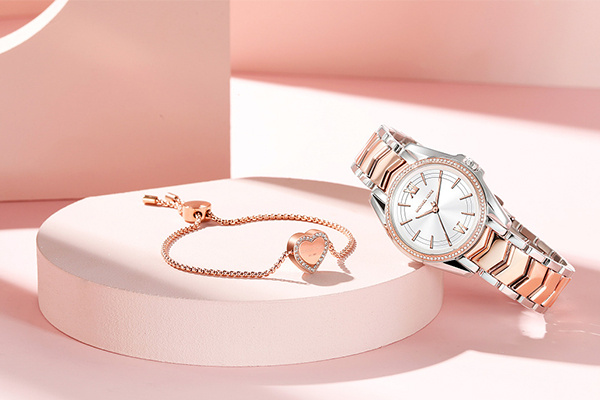
Jewelry Watch
What Exactly Are Ultrasonic Jewelry Cleaners?
Ultrasonic jewelry cleaners represent a specific category of cleaning technology that uses high-frequency sound waves to remove dirt and grime. Unlike traditional cleaning methods that rely on scrubbing or chemical reactions alone, these devices create microscopic bubbles that physically dislodge contaminants from surfaces.
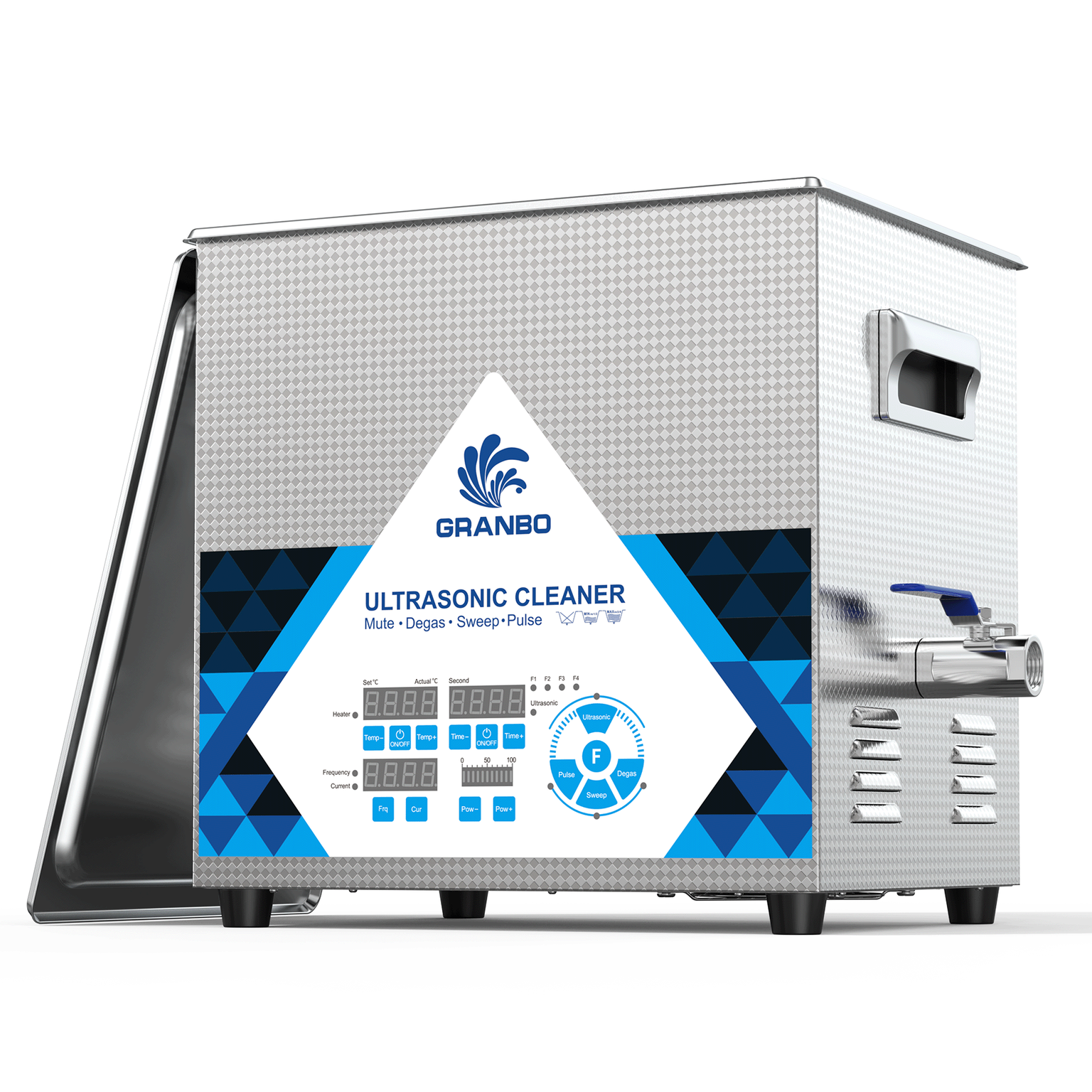
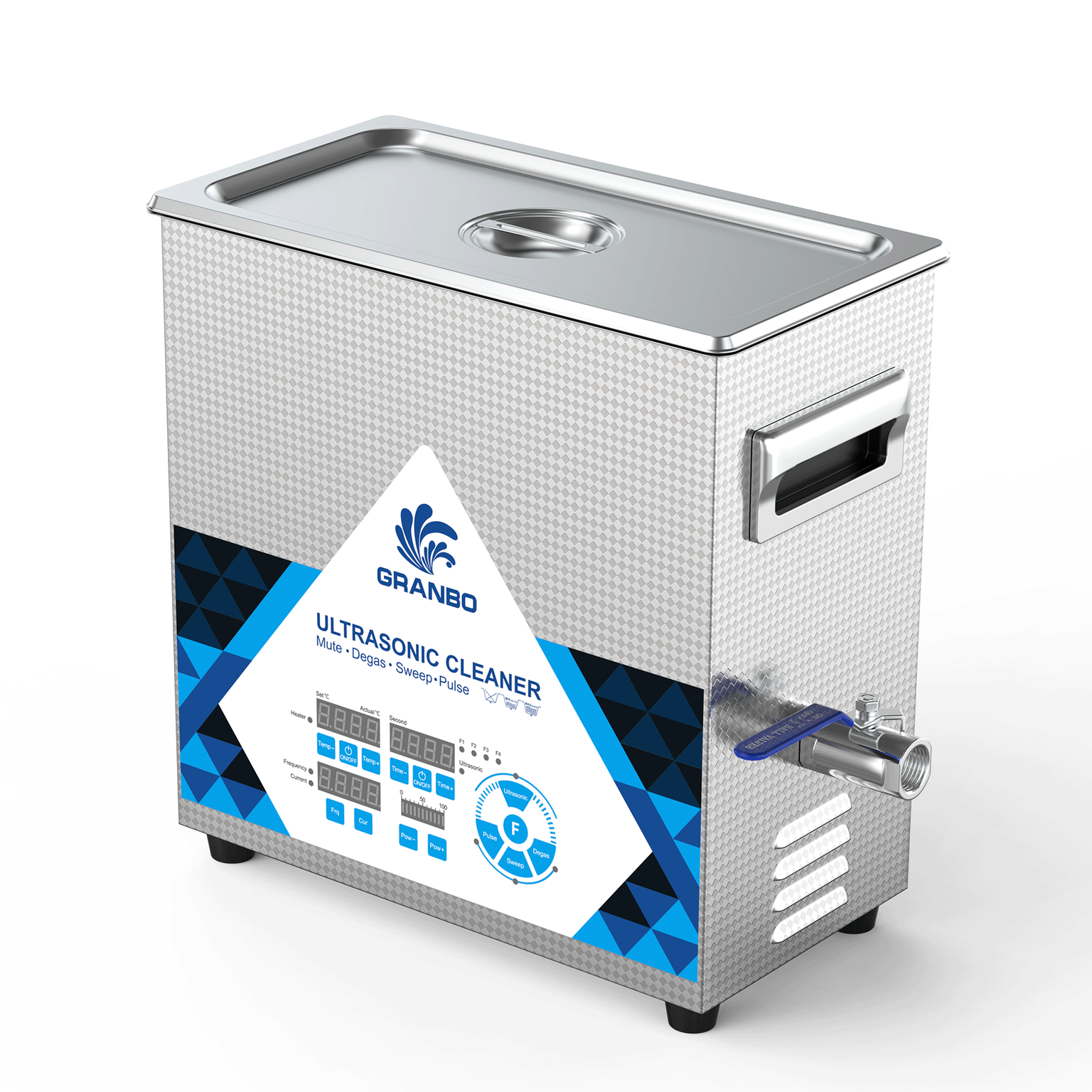
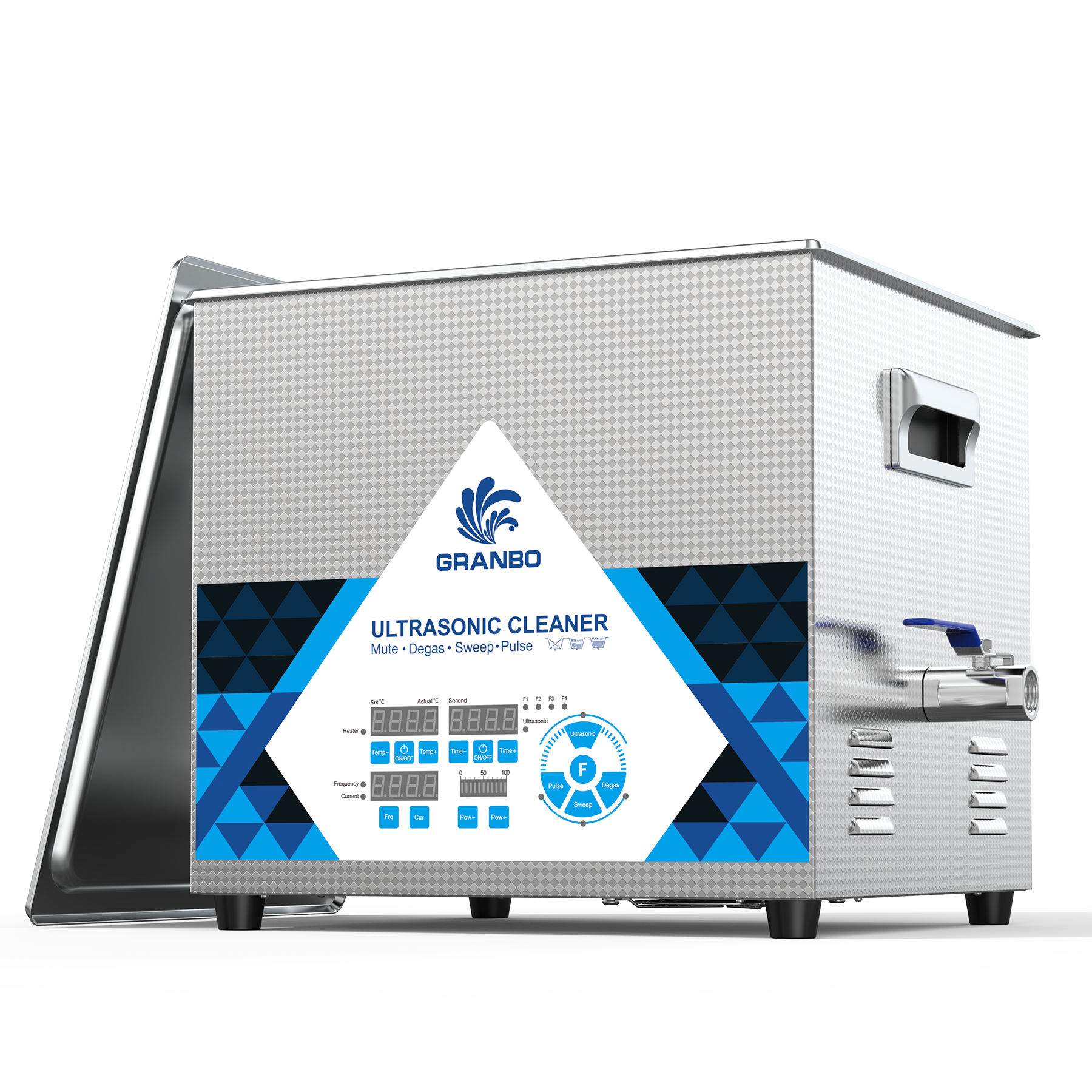
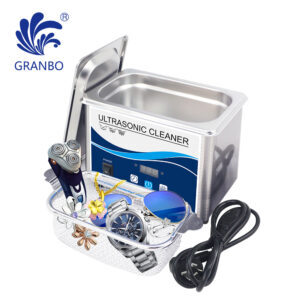
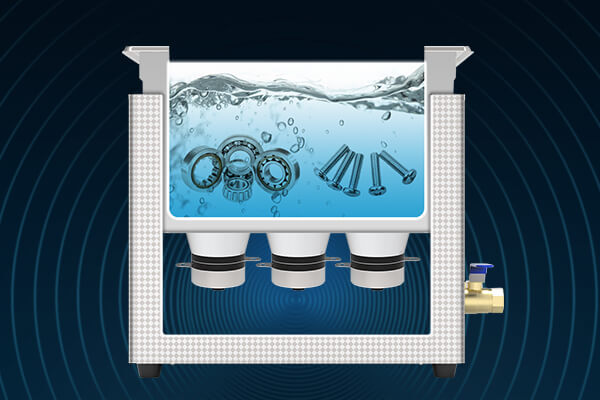
The typical unit consists of a stainless steel tank, an ultrasonic transducer, a heating element in some models, and control circuitry. You fill the tank with water or a specialized cleaning solution, place your jewelry in a basket, and activate the machine. What happens next involves fascinating physics that most users never see or understand.
The Science Behind Ultrasonic Cleaning Technology
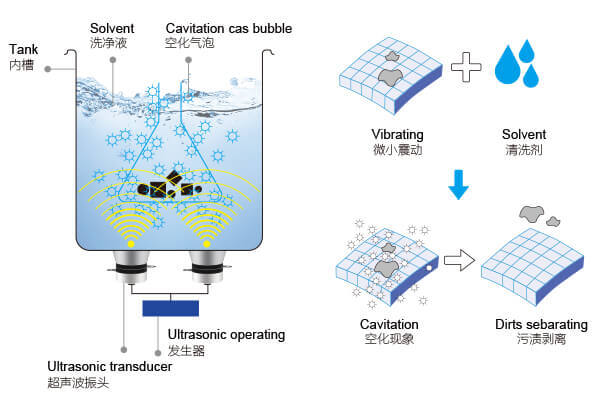
The cleaning power comes from a process called cavitation. When ultrasonic waves pass through liquid at frequencies between 20,000 and 400,000 Hz, they create alternating high-pressure and low-pressure zones. During low-pressure phases, microscopic bubbles form throughout the liquid. These bubbles then collapse violently during high-pressure phases, creating tiny shock waves and localized high temperatures.
This cavitation process generates remarkable cleaning power despite occurring at a microscopic scale. The collapsing bubbles produce jets of liquid that reach surfaces at high speeds, dislodging particles trapped in crevices, behind stones, and within intricate metalwork. The process works even on surfaces that brushes, cloths, or fingers cannot physically touch.
The Principle Behind Ultrasonic Cleaning
Research published in the Journal of Applied Physics demonstrates that cavitation bubbles can produce temperatures exceeding 5,000 Kelvin and pressures above 1,000 atmospheres at the moment of collapse. While these extreme conditions exist only for microseconds in tiny spaces, they explain why ultrasonic cleaning removes stubborn contaminants that resist gentler methods.
How These Devices Actually Work
Most consumer-grade ultrasonic jewelry cleaners operate between 40,000 and 42,000 Hz, a frequency that balances cleaning power with safety for delicate items. Professional jewelers often use lower frequencies around 25,000 Hz for more aggressive cleaning, but this intensity risks damaging fragile pieces.
The cleaning cycle typically runs between three and ten minutes depending on the model and how dirty your jewelry appears. Some advanced units offer multiple frequency settings, allowing you to adjust intensity based on what you’re cleaning. The tank capacity in home models usually ranges from 400 milliliters to 750 milliliters, enough space for multiple rings, earrings, or a few bracelets simultaneously.
Many modern cleaners incorporate heating elements that warm the cleaning solution to temperatures between 40 and 60 degrees Celsius. Heat enhances the cleaning process by reducing liquid viscosity, allowing cavitation bubbles to form more readily and increasing the solubility of oils and residues. However, heat also requires caution with certain gemstones that are temperature-sensitive.
Ultrasonic Cleaner Working Principle and Structural Diagram
The Real Benefits You Can Expect
Understanding the actual advantages these devices provide helps set realistic expectations. The benefits extend beyond simple cleanliness, touching on convenience, safety, and long-term jewelry care considerations that affect your pieces’ longevity and appearance.
Deep Cleaning That Manual Methods Miss
The primary advantage of ultrasonic cleaning lies in its ability to reach areas completely inaccessible to traditional cleaning tools. Consider a diamond engagement ring with a pavé setting. The tiny spaces between stones, underneath prongs, and within the gallery work trap oils, lotions, and microscopic debris. Manual cleaning with brushes may address visible surfaces but leaves hidden areas untouched.
Professional jewelers report that customers often express surprise when their jewelry appears brighter after ultrasonic cleaning than when initially purchased. This phenomenon occurs because manual cleaning methods never fully removed the accumulated residue in hidden crevices. The ultrasonic process reaches every surface simultaneously, creating uniformly clean results.
Testing conducted at the Gemological Institute of America shows that ultrasonic cleaning removes approximately 95 to 98 percent of contaminants from jewelry surfaces, compared to 60 to 75 percent removal rates for careful manual cleaning with brushes and soap. The difference becomes particularly noticeable with items featuring complex designs or multiple small stones.
Time Savings and Convenience Factor
Cleaning jewelry manually requires dedicated time, proper lighting, steady hands, and patience. You need to prepare your cleaning solution, scrub each piece carefully, rinse thoroughly, and dry completely. The entire process for a few pieces easily consumes 20 to 30 minutes.
Ultrasonic cleaners reduce active involvement to nearly zero. You spend perhaps two minutes preparing the machine and placing jewelry inside, then walk away while it runs its cycle. Most people clean their jewelry while completing other tasks, making the time investment practically negligible. This convenience factor particularly benefits people who wear multiple jewelry pieces daily and want to maintain them regularly without dedicating significant time.
The hands-free operation also eliminates the physical challenge of cleaning intricate pieces. People with arthritis, limited dexterity, or vision issues often find manual jewelry cleaning difficult or impossible. An ultrasonic cleaner provides independence and capability without requiring fine motor control or perfect eyesight.
Gentle Yet Effective Cleaning Action
Despite the violent nature of cavitation at a microscopic level, ultrasonic cleaning produces remarkably gentle results for appropriate jewelry types. The process never involves scrubbing, which can scratch soft metals or loosen stones. The cavitation bubbles apply force only at surfaces where dirt exists, leaving clean metal and secure settings undisturbed.
Professional jewelers use ultrasonic cleaners thousands of times annually on valuable pieces precisely because the method combines thoroughness with safety. When used correctly with suitable jewelry types, ultrasonic cleaning causes less wear than repeated manual scrubbing over time. The even distribution of cleaning energy means no single area receives excessive force that might damage delicate work.
Understanding the Limitations and Drawbacks
Balanced evaluation requires acknowledging what ultrasonic cleaners cannot do and situations where they create problems rather than solutions. These limitations affect whether a particular person will find value in owning one.
Not Suitable for All Jewelry Types
The cavitation process that makes ultrasonic cleaning effective also creates risks for certain materials and construction methods. Jewelry featuring organic gemstones like pearls, opals, emeralds, or amber should never enter an ultrasonic cleaner. The vibrations and pressure changes can cause internal fractures, surface damage, or complete destruction of these delicate stones.
Emeralds present a particularly common problem. These stones typically contain natural fractures that dealers fill with oils or resins to improve appearance. Ultrasonic cleaning removes these fillers, leaving visible cracks and significantly diminishing the stone’s beauty and value. A single cleaning cycle can transform a gorgeous emerald into a fractured, cloudy mess requiring professional re-treatment costing hundreds of dollars.
Costume jewelry with glued components fails spectacularly in ultrasonic cleaners. The vibrations separate glued stones, loosen epoxied settings, and destroy pieces with no hope of simple repair. Similarly, jewelry featuring loose stones, damaged prongs, or weak settings risks losing stones during the cleaning process. The violent motion within the tank can shake loose stones that manual cleaning would have left in place, though precariously.
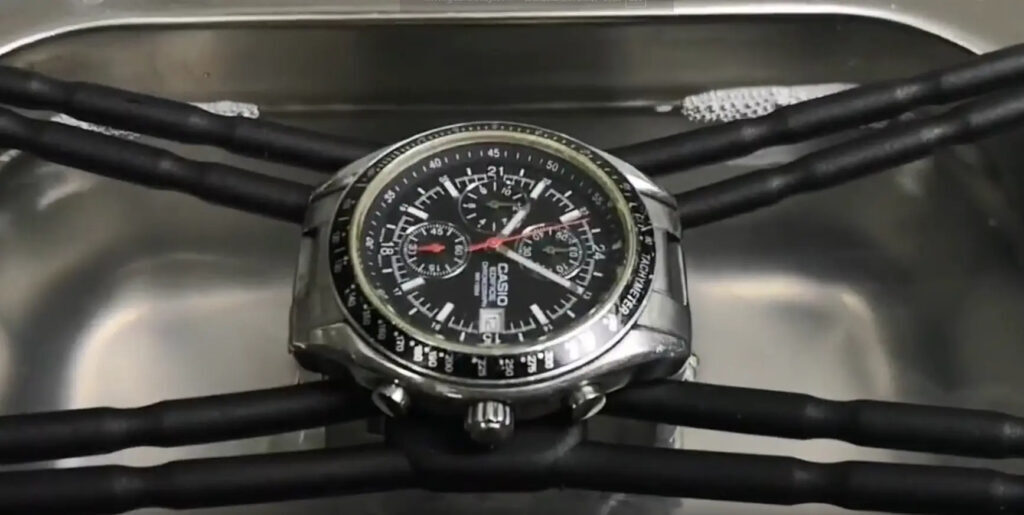
Watches present another category requiring extreme caution. Even watches rated as water-resistant should generally avoid ultrasonic cleaning unless specifically designed for it. The vibrations can affect delicate watch movements, loosen internal components, or compromise seals that protect against moisture intrusion.
Watch Cleaning
Initial Investment Considerations
Quality ultrasonic jewelry cleaners range from $30 for basic models to over $200 for professional-grade home units. Such a wide price range requires users to justify the investment through regular use or specific cleaning needs. For those with minimal jewelry or little motivation to clean their pieces, cleaners at any price point offer limited value.
Initial costs also vary based on features. Basic models support only single-frequency operation, include manual timers, and lack heating elements. Mid-range models add digital controls, heating functions, and automatic shutoff capabilities. Premium models feature multiple frequency settings, larger cleaning tanks, more powerful transducers, and sophisticated control systems that optimize cleaning performance for different materials.
Despite attractive pricing, budget models often disappoint users. Underpowered transducers produce weak cavitation that barely outperforms manual cleaning. Poor construction leads to leaks, control failures, and short operational lifespans. User reviews of low-end models consistently report units failing within months or never achieving satisfactory cleaning results.
Maintenance Requirements
Ultrasonic cleaners need regular maintenance to function properly and hygienically. The tank requires emptying, rinsing, and drying after each use to prevent bacterial growth and mineral deposits. Cleaning solution residue left sitting in the tank creates unpleasant odors and degrades the stainless steel over time.
The transducer surface must remain clean for optimal performance. Mineral deposits from hard water accumulate on the tank bottom, creating a barrier that reduces ultrasonic energy transmission. Periodic descaling with vinegar or specialized cleaners maintains effectiveness but adds another task to your routine.
Some models require replacement of consumable components over time. Heating elements eventually fail, especially in units that see heavy use. Gaskets and seals degrade, leading to leaks that damage the electronics. While quality units last many years with proper care, eventual replacement becomes necessary, adding to the total cost of ownership.
What Types of Jewelry Benefit Most?
Matching your jewelry collection to ultrasonic cleaning capabilities determines whether you’ll achieve satisfying results. Certain pieces gain dramatic improvements while others should never go near an ultrasonic cleaner.
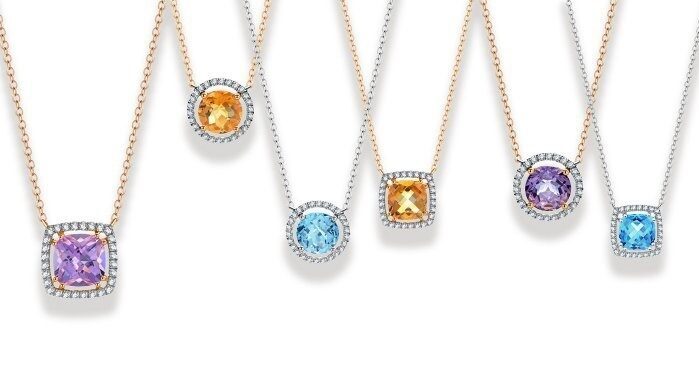
jewelry cleaner
Ideal Materials for Ultrasonic Cleaning
Diamond jewelry responds exceptionally well to ultrasonic cleaning. Diamonds themselves are virtually indestructible and benefit enormously from the thorough cleaning that restores their brilliance. The crevices around diamond settings accumulate skin oils, soap residue, and lotions that dull the stones’ appearance. Ultrasonic cleaning removes these deposits completely, making diamonds sparkle like new.
Gold jewelry in all karats cleans beautifully with ultrasonic methods. The metal withstands the cavitation process without damage, and the thorough cleaning removes tarnish, dirt, and body oils that accumulate during wear. White gold, yellow gold, and rose gold all respond equally well, though white gold pieces with rhodium plating eventually need re-plating regardless of cleaning method.
Platinum jewelry represents perhaps the ideal candidate for ultrasonic cleaning. The dense, durable metal tolerates repeated cleaning without wear concerns. Platinum’s tendency to develop a patina of fine scratches over time remains unaffected by ultrasonic cleaning, which doesn’t add to surface wear.
Silver jewelry benefits significantly from ultrasonic cleaning, though tarnish removal requires appropriate cleaning solutions rather than water alone. The process cleans intricate silverwork that manual methods struggle to address adequately. Sterling silver pieces with complex filigree, detailed engravings, or textured surfaces emerge looking dramatically improved after ultrasonic treatment.
Cubic zirconia and other lab-created stones generally handle ultrasonic cleaning well. These materials share the durability of their natural counterparts without the fracture or treatment concerns that affect some organic gemstones. People who own primarily cubic zirconia jewelry find ultrasonic cleaners particularly valuable for maintaining the stones’ sparkle.
Jewelry You Should Never Put in an Ultrasonic Cleaner
Beyond the previously mentioned emeralds and pearls, several other gemstones require complete avoidance of ultrasonic cleaning. Opals contain water within their structure, and ultrasonic vibrations can cause crazing, a network of fine cracks that destroys the stone’s play of color. Similarly, turquoise, coral, amber, and other porous stones absorb the cleaning solution and suffer damage from the vibrations.
Tanzanite, kunzite, topaz, and other stones with distinct cleavage planes risk fracturing during ultrasonic cleaning. The vibrations can propagate along these natural weak points, causing the stone to split. While such failures are not guaranteed, the risk outweighs the cleaning benefits for these valuable stones.
Jewelry featuring enamel work should stay far away from ultrasonic cleaners. The vibrations can cause enamel to separate from its metal backing, creating chips, cracks, or complete loss of the decorative coating. Antique jewelry particularly often features enamel details that represent irreplaceable artistry vulnerable to ultrasonic damage.
Pieces with foil-backed stones, a technique common in antique and vintage jewelry, will be ruined by ultrasonic cleaning. The vibrations and cleaning solution penetrate around stones and dissolve or dislodge the foil backing that provides color and brilliance. Once removed, this foil backing cannot be easily replaced, permanently damaging the piece.
Cost Analysis: Breaking Down the Investment
Determining whether an ultrasonic cleaner provides good value requires calculating both immediate costs and long-term financial impacts. The analysis changes significantly based on your jewelry cleaning habits and alternatives you would otherwise pursue.
Price Ranges and What You Get
Entry-Level Models ($25-$50)
Ultrasonic cleaners in this budget range typically deliver 35 to 50 watts of power with tank capacities between 400 and 600 milliliters. You’ll find basic timer controls and simple operation, which proves adequate for occasional cleaning of small jewelry items. However, build quality varies dramatically at this price point—some units provide years of reliable service while others fail within a few months. These cleaners work best for users who clean jewelry infrequently and prioritize affordability over advanced features.
Mid-Range Options ($50-$120)
This category represents the ideal choice for most home users. Power output jumps to 60 watts or higher, while tank capacity expands to 600-750 milliliters, allowing you to clean multiple pieces comfortably. Expect digital controls, built-in heating elements for enhanced cleaning, and automatic shutoff features. The improved construction quality and consistent performance make these models worthwhile for anyone who cleans jewelry regularly and values dependability over the long term.
Premium Home Models ($120-$300)
These high-end consumer units approach professional-grade performance with dual-frequency operation, transducers exceeding 100 watts, precise temperature control, and spacious tanks that handle multiple jewelry pieces simultaneously. Premium models make excellent sense for serious collectors, individuals who sell jewelry and need reliable cleaning capabilities, or anyone seeking the absolute best performance for home use.
Professional-Grade Equipment ($300-$1,000+)
Industrial ultrasonic cleaners deliver capabilities that exceed typical home requirements. These machines feature massive tanks, extremely powerful transducers, continuous-duty operation, and construction engineered for thousands of annual operating hours. Unless you run a jewelry business or professional workshop, the additional cost and capabilities of these units provide diminishing returns for household applications.
Long-Term Cost Savings Compared to Professional Cleaning
Professional jewelry cleaning services typically charge $5 to $15 per visit for basic cleaning, with prices increasing for intricate pieces or specialized treatments. While many jewelry stores offer complimentary cleaning as a customer service, relying on this option requires store visits and waiting for the work to be completed.
Someone who has jewelry cleaned professionally twice monthly spends $120 to $360 annually. Over five years, this totals $600 to $1,800—far exceeding the cost of even premium home ultrasonic cleaners. The financial advantage grows further when factoring in the convenience of cleaning jewelry whenever desired rather than being restricted to business hours.
This calculation assumes you would actually pay for professional cleaning frequently enough to justify purchasing an ultrasonic cleaner. In reality, many people simply extend the time between cleanings when professional service requires effort and scheduling. The ultrasonic cleaner’s true value then shifts from direct cost savings to maintaining jewelry condition through more frequent cleaning.
Ongoing Operational Costs
Cleaning solutions represent a minor ongoing expense compared to the initial device investment. Specialized jewelry cleaning solutions cost $10 to $20 per bottle and last through dozens of cleaning cycles. Many users achieve excellent results with plain water or diluted dish soap, reducing operational costs to nearly zero. The best choice depends on your jewelry types, stone settings, and desired cleaning results.
Key Features to Look for When Shopping
Understanding which specifications and features actually matter helps you select an ultrasonic cleaner that delivers satisfaction rather than disappointment. Marketing materials emphasize numerous features, but only some significantly affect cleaning performance and user experience.
Tank Size and Capacity Matters
Tank capacity directly determines how much jewelry you can clean in a single cycle. Smaller 400-milliliter tanks accommodate a few rings and earrings but become cramped when cleaning bracelets, necklaces, or multiple items simultaneously. Larger 600-milliliter to 750-milliliter tanks provide flexibility for bigger pieces and batch cleaning.
However, tank size trades off with footprint and water requirements. Larger tanks need more counter space and use more water or cleaning solution per cycle. Consider your typical cleaning volume when selecting capacity. Someone who primarily cleans a few rings and earrings gains little from a large tank, while a person who owns extensive jewelry collections benefits from additional space.
Tank shape matters more than many buyers realize. Rectangular tanks with rounded corners allow better item placement than perfect circles. The shape affects how pieces nestle together and whether you can arrange items to prevent tangling or contact between stones. Some premium models feature divided baskets that separate pieces for safer cleaning.
Tank material universally consists of stainless steel for durability and hygiene, but thickness varies. Heavier-gauge stainless steel resists denting and corrosion better than thin material, though this quality difference doesn’t always appear in specifications. Checking reviews for mentions of tank durability provides better information than manufacturer claims.
Frequency Settings and Power Output
Operating frequency significantly affects cleaning performance and safety for different jewelry types. Most consumer models operate at a fixed frequency around 40 to 42 kHZ, providing good general-purpose cleaning suitable for durable jewelry. This frequency balances effective cavitation with relatively gentle action.
Some advanced models offer dual-frequency operation, typically switching between 40 kHZ and 25 kHZ. Lower frequency creates more aggressive cleaning suitable for heavily soiled items or sturdier pieces, while higher frequency provides gentler action for delicate work. This flexibility benefits users with diverse jewelry collections requiring different cleaning intensities.
Power output measured in watts indicates the ultrasonic generator’s strength. Models under 50 watts often struggle to create sufficient cavitation for truly effective cleaning. Mid-range units operate at 60 to 80 watts, providing adequate performance for typical home use. Professional-grade models exceed 100 watts, delivering powerful cleaning that approaches commercial results.
However, raw power numbers don’t tell the complete story. Transducer quality, tank design, and frequency optimization all affect actual cleaning performance. A well-designed 60-watt unit may outperform a poorly engineered 80-watt model. Reading reviews that specifically address cleaning effectiveness provides better insight than specifications alone.
Timer Functions and Safety Features
Timer controls allow you to set appropriate cleaning duration without standing over the unit. Digital timers with preset intervals like three, five, and ten minutes provide convenience and prevent over-cleaning that might risk damage. Manual twist timers work adequately but offer less precision and typically max out at shorter durations.
Automatic shutoff represents an important safety feature that prevents the unit from running indefinitely if you forget it’s operating. This protection extends motor life, prevents overheating, and ensures the cleaning solution doesn’t evaporate completely during extended operation. Quality units shut off after completing the cycle and often include audible alerts.
Temperature control through integrated heating elements enhances cleaning effectiveness for particularly dirty jewelry. Heated cleaning solutions dissolve oils and residues more readily than cold water, improving results without extending cleaning time. Look for models that allow temperature adjustment rather than fixed heating, providing flexibility for different cleaning needs.
Overflow protection prevents spills when you overfill the tank or place particularly large items in the solution. Better models incorporate drainage systems or tank designs that contain overflow rather than letting it spill onto electronics. This feature particularly matters if you plan to use the cleaner near sensitive surfaces or without constant supervision.
Making Your Decision: Is It Worth It for You?
The ultimate question of whether an ultrasonic jewelry cleaner delivers value for your specific situation requires honest assessment of your needs, habits, and circumstances.
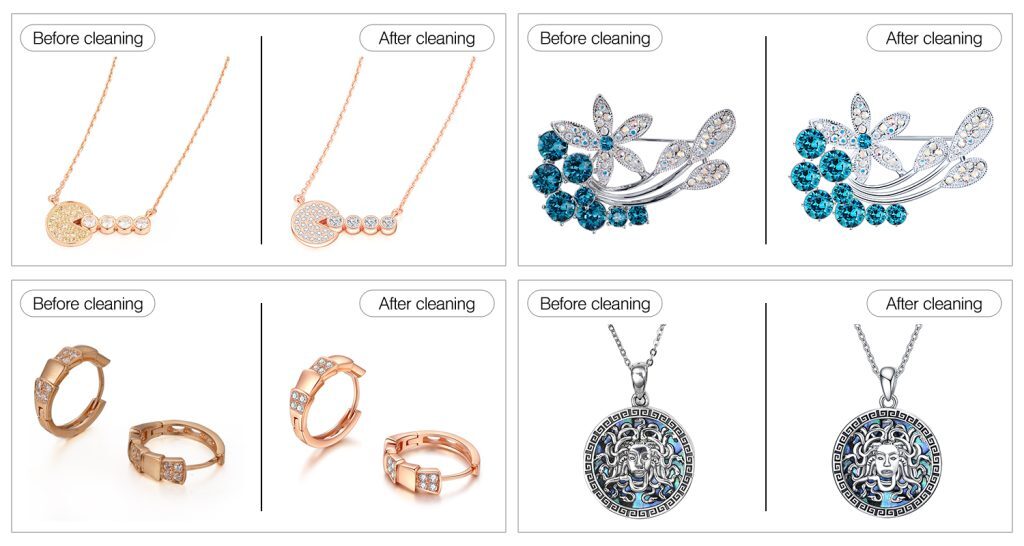
granbo ultrasonic Jewelry Cleaning effect
Who Benefits Most from Owning One
People who wear diamond jewelry daily gain tremendous value from ultrasonic cleaners. Diamonds attract oils and residues that quickly dull their sparkle, and frequent professional cleaning proves inconvenient. An ultrasonic cleaner lets you maintain that fresh-from-the-jeweler appearance with minimal effort, keeping your most visible pieces looking their best.
Jewelry collectors with numerous pieces benefit from the convenience of home cleaning. Managing a large collection means regular maintenance becomes burdensome if professional service is required. An ultrasonic cleaner transforms jewelry care from an occasional major project into a quick routine task you can perform whenever convenient.
Individuals who sell jewelry, whether as a business or regularly on consignment platforms, find ultrasonic cleaners nearly essential. Clean jewelry sells faster and commands higher prices than dirty pieces. The ability to quickly restore items to optimal appearance before listing or showing provides direct financial return exceeding the cleaner’s cost.
People with physical limitations that make manual jewelry cleaning difficult or impossible gain independence through ultrasonic cleaners. Arthritis, vision problems, or tremors that prevent careful scrubbing don’t affect the ability to place jewelry in a cleaner and press a button. This accessibility factor alone justifies the purchase for some users.
Penny-pinching individuals who hate paying for services they could potentially do themselves often find ultrasonic cleaners satisfying. The device pays for itself relatively quickly compared to ongoing professional cleaning costs, and the ownership provides satisfaction beyond mere financial calculation.
When Professional Cleaning Makes More Sense
Someone who owns minimal jewelry, perhaps just a wedding band and a pair of earrings, probably won’t use an ultrasonic cleaner enough to justify the purchase. Occasional professional cleaning costs little and takes minimal time. The cleaner would sit unused for months between applications, making it an inefficient use of money and space.
People whose jewelry consists primarily of pieces unsuitable for ultrasonic cleaning gain no value from ownership. If your collection features mostly pearls, emeralds, or costume jewelry, an ultrasonic cleaner becomes a expensive paperweight. Professional jewelers can safely clean these pieces using appropriate methods that don’t risk damage.
Individuals who lack interest in maintenance routines probably won’t develop the habit of regular cleaning even with an ultrasonic cleaner available. If you currently go years between professional cleanings because you simply forget or don’t prioritize jewelry care, buying a home cleaner won’t change those habits. The device will just occupy space while your jewelry remains dirty.
People living in apartments or small spaces where counter space is precious may find an ultrasonic cleaner too bulky to justify its dedicated space. The device needs to stay accessible to encourage use, but taking up valuable counter real estate for infrequent jewelry cleaning makes little practical sense.
Budget-conscious shoppers facing tight finances should skip ultrasonic cleaners entirely. The purchase represents a nice-to-have rather than essential item. Money spent on an ultrasonic cleaner could fund other priorities while manual cleaning or occasional professional service adequately maintains jewelry appearance.
Ultrasonic jewelry cleaners deliver genuine cleaning performance that surpasses manual methods for appropriate jewelry types. They provide convenience, thoroughness, and long-term cost savings for people who use them regularly. However, they also present risks when misused and provide little value for individuals whose jewelry or habits don’t align with the technology’s strengths.
The decision ultimately rests on honest evaluation of your jewelry collection, cleaning frequency, budget flexibility, and willingness to learn proper use. People who own diamond jewelry worn daily, clean pieces regularly, and take time to understand appropriate applications will find ultrasonic cleaners absolutely worth the investment. Those with small collections, incompatible jewelry types, or minimal maintenance interest should save their money and stick with professional services or careful manual cleaning.
The technology itself works exactly as advertised when applied correctly. The question isn’t whether ultrasonic cleaners work, but rather whether they work for your specific situation. Take time to assess your needs realistically, understand the limitations clearly, and purchase within a budget that reflects actual expected use. An ultrasonic cleaner can be either the best jewelry care investment you make or an expensive mistake gathering dust in a cabinet. The difference lies entirely in matching the tool to your genuine requirements rather than aspirational ones.