 Granbo Sonic











Is It Safe to Clean Diamond Rings with Ultrasonic Jewelry Cleaners?
Browse Volume:95 Classify:Support
Diamond rings represent more than just sparkle and status. They hold memories, symbolize commitments, and often carry significant monetary value. Naturally, keeping them clean and brilliant is a priority for most owners. However, when it comes to deep cleaning, many wonder whether ultrasonic jewelry cleaners, which are known for their power and convenience, are safe to use on diamond rings.
The short answer is: sometimes, but not always. While ultrasonic cleaners are widely used in the jewelry industry, their compatibility with diamond rings depends on several factors, including the stone’s condition, the type of setting, and the materials used in the ring.
Understanding Ultrasonic Jewelry Cleaning
Ultrasonic cleaners use high-frequency sound waves to agitate a cleaning solution. This process creates microscopic bubbles in the liquid, a phenomenon known as cavitation. These bubbles collapse with force against the surface of the item being cleaned, loosening and removing dirt, oil, and grime from even the smallest crevices.
For jewelry, ultrasonic cleaners are especially helpful in cleaning underneath prongs, inside channels, and around stones where traditional brushing cannot reach. The process is fast, efficient, and does not rely on physical scrubbing.
Household ultrasonic jewelry cleaners typically operate in the 40 to 80 kilohertz range, providing gentle cleaning action that is suitable for many types of jewelry. Professional units may run at lower frequencies, such as 28 to 40 kilohertz, offering a more aggressive cleaning action suited for robust items.
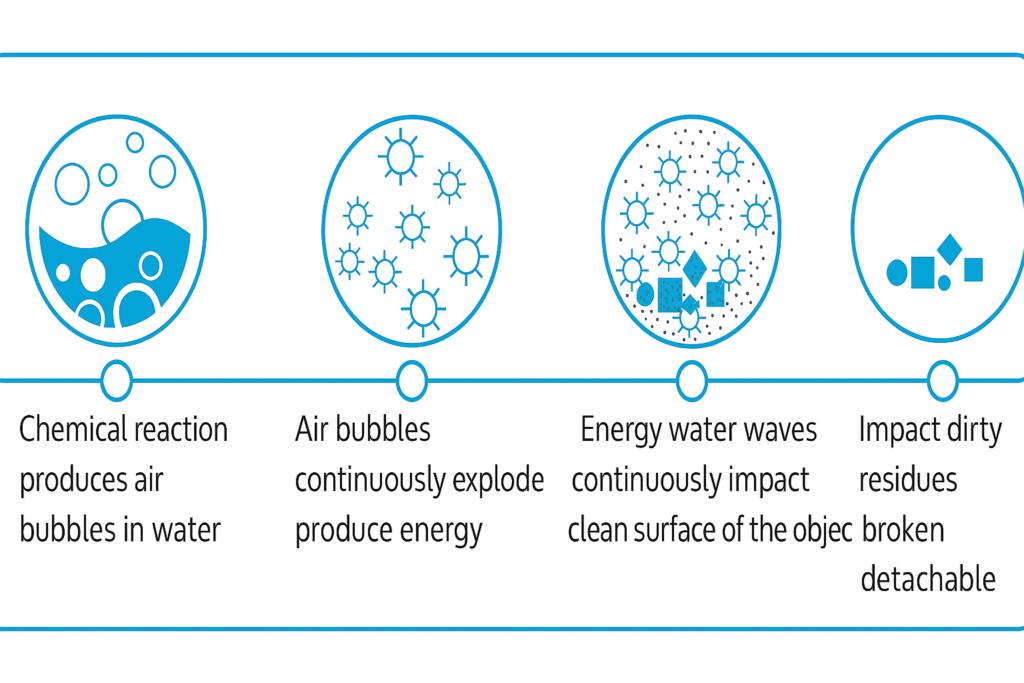
The working principle of an ultrasonic cleaner
What Makes Diamond Rings Unique
Diamonds are the hardest natural material on Earth, ranking 10 on the Mohs scale of hardness. This makes them extremely resistant to scratching. However, the structure of a diamond is not the only factor to consider when cleaning it ultrasonically.
Settings and Mounts Matter
Diamond rings often feature intricate settings, including:
- Prong settings
- Channel settings
- Pavé or micro-pavé mounts
These tiny components can become weak over time, especially if the ring is worn daily. Vibrations from an ultrasonic cleaner may cause a loose prong to open further or dislodge a small stone completely.
Natural vs Treated Diamonds
Most diamonds sold today are natural, but some are fracture-filled or laser-treated to enhance appearance. These treated stones have internal structures that can be sensitive to ultrasonic cleaning. Fracture filling, for instance, involves injecting glass-like material into cracks to improve clarity. Ultrasonic vibrations can dislodge this filler or worsen existing fractures.
Are Ultrasonic Cleaners Safe for Diamonds?
In many cases, yes, ultrasonic cleaners are safe for diamonds. However, this assumes that:
- The stone is natural and not fracture-filled
- The setting is secure, with no loose prongs or worn metal
- The ring does not contain other vulnerable materials
If those conditions are met, ultrasonic cleaning can restore a diamond’s brilliance in just a few minutes. Jewelers use these machines every day for that exact purpose.
However, if the diamond has visible inclusions, has been clarity-enhanced, or is set in a delicate antique mount, ultrasonic cleaning can be risky.
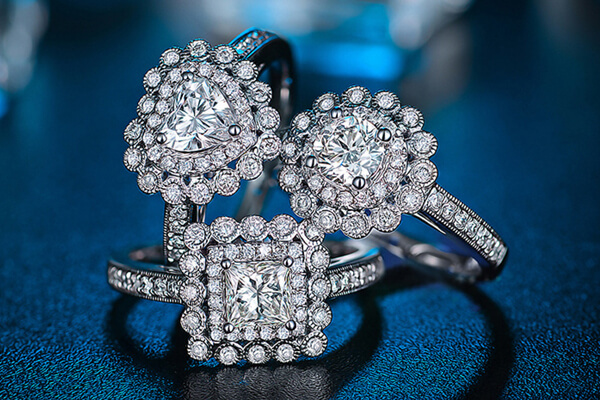
Diamonds
Materials to Watch: More Than Just the Stone
While diamonds themselves are durable, the materials surrounding them can complicate ultrasonic cleaning. Most diamond rings are crafted from precious metals like gold, white gold, or platinum, and sometimes include other decorative elements that react differently to ultrasonic treatment.
Gold and White Gold
Gold is relatively soft, especially in high karat varieties like 18K or 22K. While gold can handle ultrasonic cleaning, worn or thin prongs may bend or weaken further with repeated exposure. White gold, often plated with rhodium, can lose its surface coating prematurely if cleaned ultrasonically too often.
Platinum
Platinum is more durable and heavier than gold. It responds well to ultrasonic cleaning and is often favored in high-end ring settings for its resistance to wear. However, the stone setting still needs to be inspected for integrity before cleaning.
Mixed Materials and Glued Components
Some diamond rings feature enamel accents, resin-filled details, or glued-in embellishments. These materials do not hold up well under ultrasonic vibrations. Heat and cavitation can cause adhesives to fail or delicate inlays to crack.
Vintage rings are particularly vulnerable. Older adhesives or decorative features may not be visible at a glance but could react poorly during ultrasonic cleaning. For rings with uncertain construction or provenance, professional evaluation is advised before using an ultrasonic cleaner.
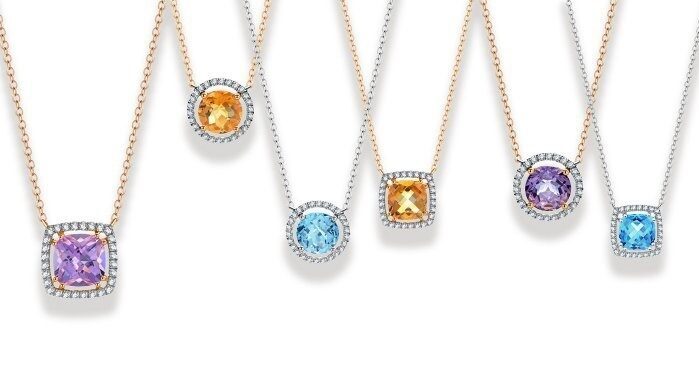
jewelry cleaner
Risk Factors for Damage During Ultrasonic Cleaning
Although ultrasonic cleaning can bring out a brilliant shine, certain risk factors can lead to damage if ignored. Understanding these will help determine whether it’s truly safe to place a diamond ring in an ultrasonic bath.
Loose Prongs and Weak Settings
One of the most common issues occurs when small diamonds or melee stones fall out during or after ultrasonic cleaning. This is usually due to weakened or bent prongs that were not secure before cleaning began. The vibrations exacerbate the issue, often unnoticed until it’s too late.
Internal Inclusions and Flaws
Diamonds with significant internal inclusions may appear solid, but the intense vibrations can exploit these weaknesses. Stones with feathers, clouds, or cleavage planes might crack or chip during ultrasonic cleaning, particularly if already under stress from a tight setting.
Repaired or Modified Rings
Jewelry that has been resized or repaired in the past may have solder joints or reinforced areas that are more susceptible to vibration. These points can fail during ultrasonic cleaning, especially if the repairs involved low-quality materials or craftsmanship.
How Jewelers Use Ultrasonic Cleaners on Diamonds
Professional jewelers often use ultrasonic cleaners daily, but with caution and inspection. Here’s how they ensure the process is safe:
- Pre-cleaning inspection: Rings are carefully examined for loose stones, bent prongs, or signs of prior damage.
- Selective cleaning: Jewelers may clean the ring in sections or avoid using ultrasonic cleaners if the piece includes fragile elements.
- Paired methods: Steam cleaning is often used before or after ultrasonic cleaning to remove deeper debris or polish residue.
- Cycle control: Cleaning cycles are typically brief, often under five minutes, with close observation throughout.
Unlike DIY attempts at home, professionals have the tools and training to safely clean a ring while reducing the risk of damage.
Safer Alternatives for At-Home Cleaning
If you’re unsure about using an ultrasonic jewelry cleaner on your diamond ring, there are gentler methods that can keep your jewelry looking bright without added risk. These alternatives work especially well for routine maintenance between professional cleanings.
Warm Water and Mild Dish Soap
One of the safest and most effective methods is to soak the ring in a small bowl of warm water mixed with a few drops of mild dish soap. Let it sit for 15 to 20 minutes, then gently scrub with a soft-bristled toothbrush, especially around the setting and underneath the diamond. Rinse thoroughly with clean water and pat dry with a lint-free cloth.
This method avoids any mechanical agitation, making it safe for vintage pieces, prong-heavy settings, and rings with mixed materials.
Jewelry-Specific Cleaning Solutions
Many reputable jewelry brands sell ready-to-use cleaning solutions specifically designed for diamonds and precious metals. These products are formulated to lift oils and dirt without damaging the stone or setting. Always follow the manufacturer’s instructions and avoid products with ammonia or strong chemicals that may damage softer stones or plated finishes.
Steam Cleaners and Wipes
Jewelry steamers are another effective at-home option. They use focused jets of steam to lift grime from tight crevices. While not as common in home settings, they offer a balance between efficiency and safety if used with care.
Pre-moistened jewelry wipes, designed specifically for precious metals and stones, are also handy for travel or quick cleanups. They’re gentle and less invasive than ultrasonic methods.
What Experts Say: Insights from Gemologists and Jewelers
To understand the real risks and best practices around ultrasonic jewelry cleaning, it helps to turn to trusted authorities in gemology and fine jewelry care.
The Gemological Institute of America (GIA) states that while ultrasonic cleaners are generally safe for natural, untreated diamonds, they pose potential risks for clarity-enhanced or fracture-filled stones. The vibrations from ultrasonic cleaning can cause fillers to leak or break down, which may permanently damage the stone’s appearance or structure.
Additionally, GIA notes that ultrasonic vibrations can loosen gemstones in their mountings, especially if the prongs are already worn or compromised. That makes ultrasonic cleaning potentially risky for antique or frequently worn rings that may have unseen structural issues.
Many professional jewelers follow strict inspection protocols before using ultrasonic cleaners. A bench jeweler typically checks each piece for loosened prongs, weakened solder joints, or hidden damage before approving ultrasonic cleaning. Only when a ring passes these checks will they proceed with machine-based methods.
Professional guidelines also recommend avoiding ultrasonic cleaning for rings that contain other gemstones like opals, pearls, or emeralds, which are more sensitive to shock and moisture.
Ultrasonic jewelry cleaning should be done with caution and only after verifying the ring’s materials, condition, and construction. It is not a one-size-fits-all solution.
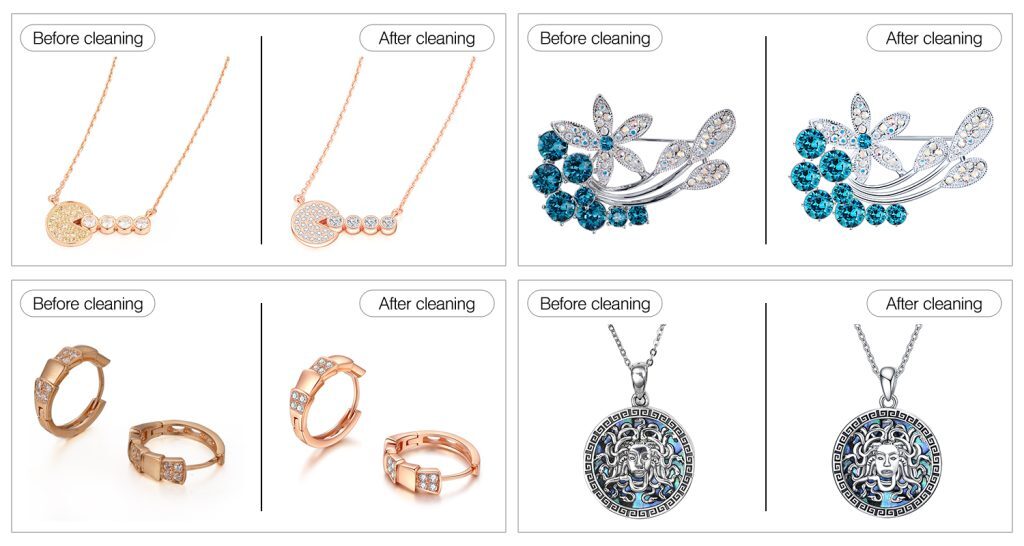
Granbo ultrasonic Jewelry Cleaning effect
The Role of Cleaning Frequency and Jewelry Age
How often you clean your diamond ring also influences safety and longevity. For example, cleaning a newly purchased ring weekly may not pose a risk if the piece is well-constructed. However, frequent ultrasonic cleaning of an older or heirloom ring increases the chances of wear-related damage.
Age and construction matter. Over time, metal fatigue can weaken prongs and settings, even if no visible damage is present. Regular ultrasonic cleaning may accelerate this process.
Recommended Cleaning Frequency:
- Everyday wear: Clean gently once a week, deep clean professionally every 6 to 12 months.
- Occasional wear or heirloom rings: Spot clean with cloth or mild soap solution as needed, ultrasonic only under professional supervision.
Deciding Whether Ultrasonic Cleaning Is Right for Your Ring
Choosing the right cleaning method for your diamond ring ultimately comes down to understanding your ring’s materials, condition, and history. Ultrasonic cleaning is a powerful option, but it is not one-size-fits-all. Here’s how to decide what’s best:
When It’s Generally Safe
- The ring is new or recently inspected
- The diamond is natural and not clarity-enhanced
- The setting is secure, with no bent or loose prongs
- The ring contains no other fragile stones or glued elements
In these cases, ultrasonic cleaners can be a fast, efficient way to maintain your diamond’s sparkle. If you own a home ultrasonic cleaner, start with short cleaning cycles and inspect the ring before and after each use.
When to Avoid Ultrasonic Cleaning
- The diamond has been fracture-filled, coated, or laser-treated
- The ring is vintage, heirloom, or has uncertain construction
- The mount shows visible wear or looseness
- The piece includes emeralds, opals, pearls, or enamel accents
For these rings, stick with safer manual methods or have a professional clean and inspect them instead.
Long-Term Jewelry Care Tips
Whether or not you use ultrasonic cleaning, the key to keeping your diamond ring beautiful over time lies in routine care and professional oversight.
Store Carefully: Keep your ring in a separate pouch or box to avoid scratching from other jewelry.
Avoid Chemicals: Remove your ring before using household cleaners, lotions, or cosmetics that can dull the stone or damage the metal.
Inspect Regularly: Every few months, check for loose stones, thinning prongs, or worn settings. A jeweler can make minor adjustments before they become bigger problems.
Schedule Professional Cleaning: Take your ring to a certified jeweler once or twice a year for a full inspection and deep clean. They have the tools and expertise to do the job safely and thoroughly.
Final Thoughts
Ultrasonic jewelry cleaners offer a high-tech solution to restoring the brilliance of diamond rings, but they come with specific caveats. When used appropriately and with attention to the ring’s condition and composition, they can be a valuable part of your cleaning routine.
However, safety should always come first. If you’re unsure about your diamond’s treatment status or your ring’s structural integrity, the most responsible option is to consult with a professional jeweler before attempting ultrasonic cleaning at home.
Caring for fine jewelry is not just about cleanliness. It is about preserving craftsmanship, value, and meaning for years to come.
Jewelry Cleaning Made Easy: Safe Ultrasonic Cleaners for Home Use
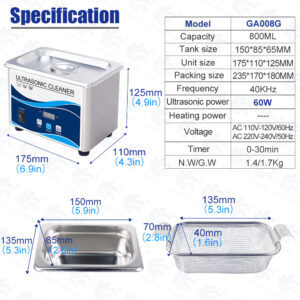
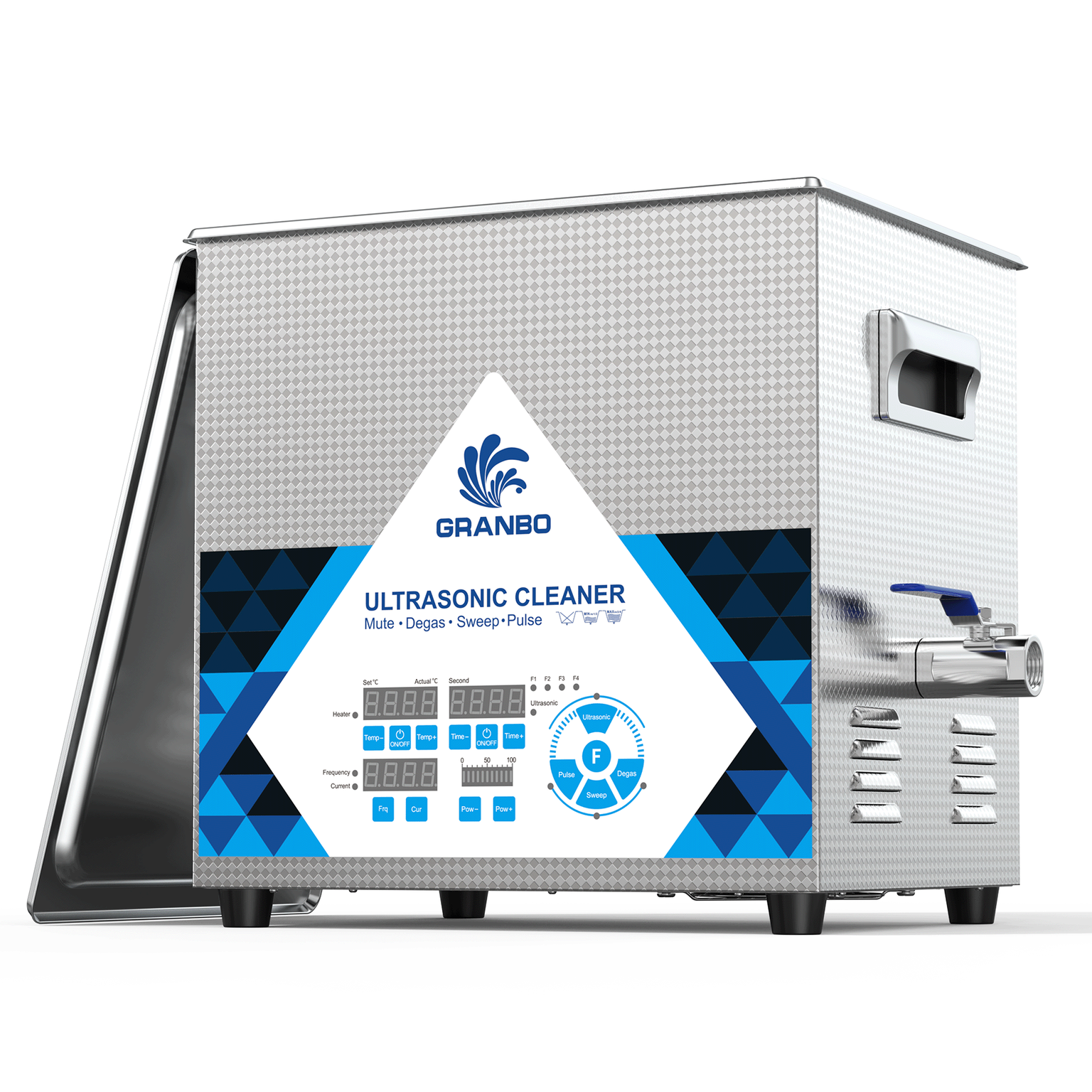
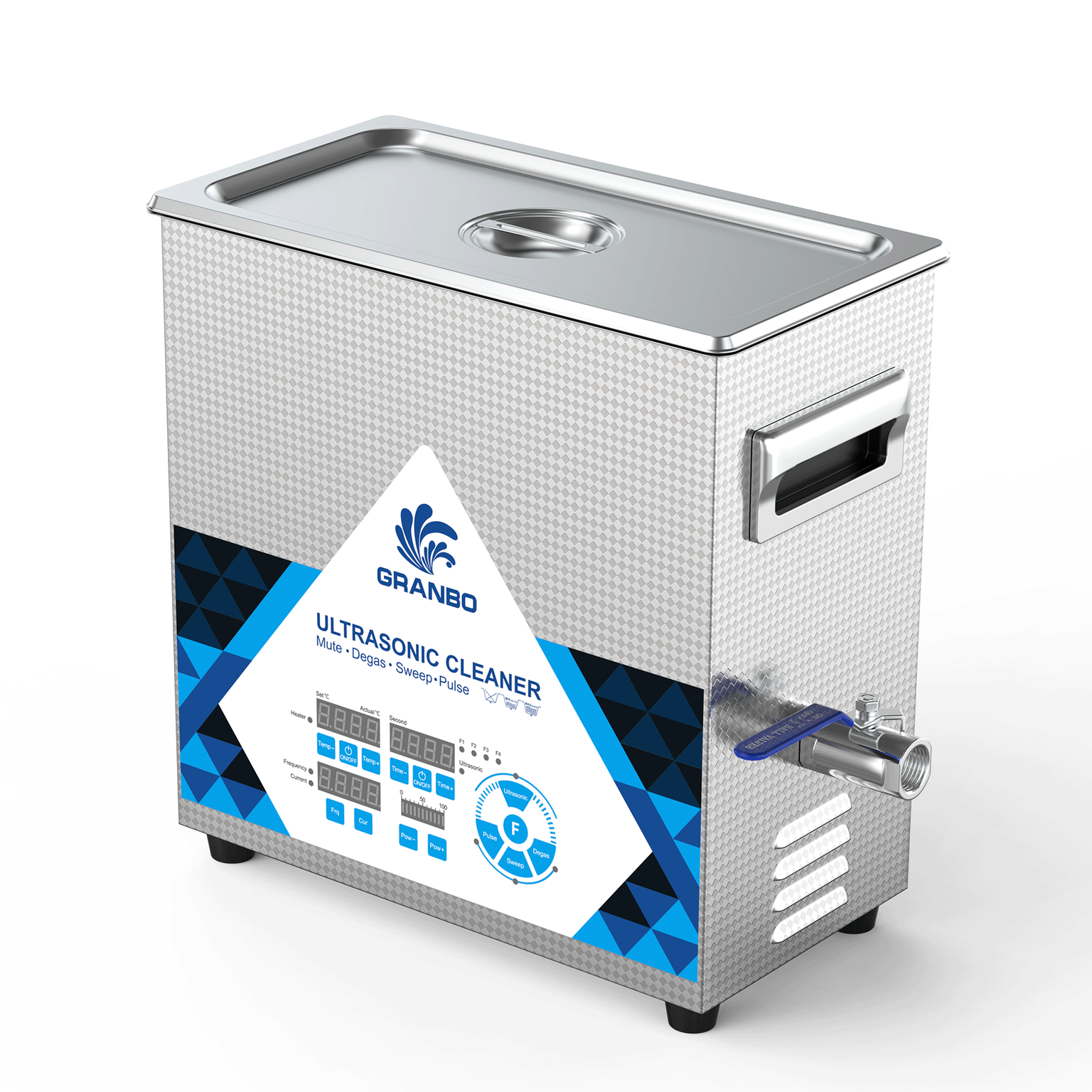
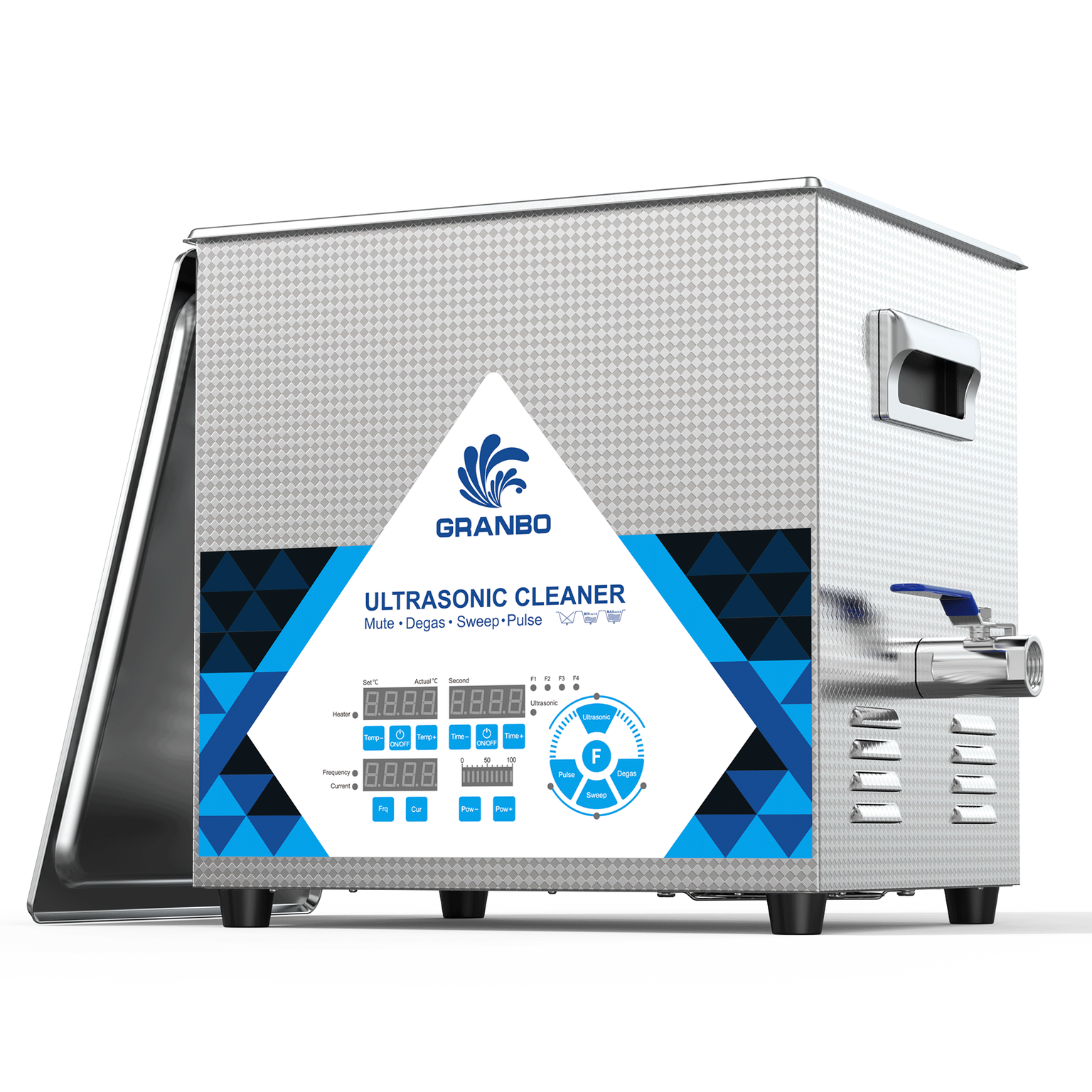
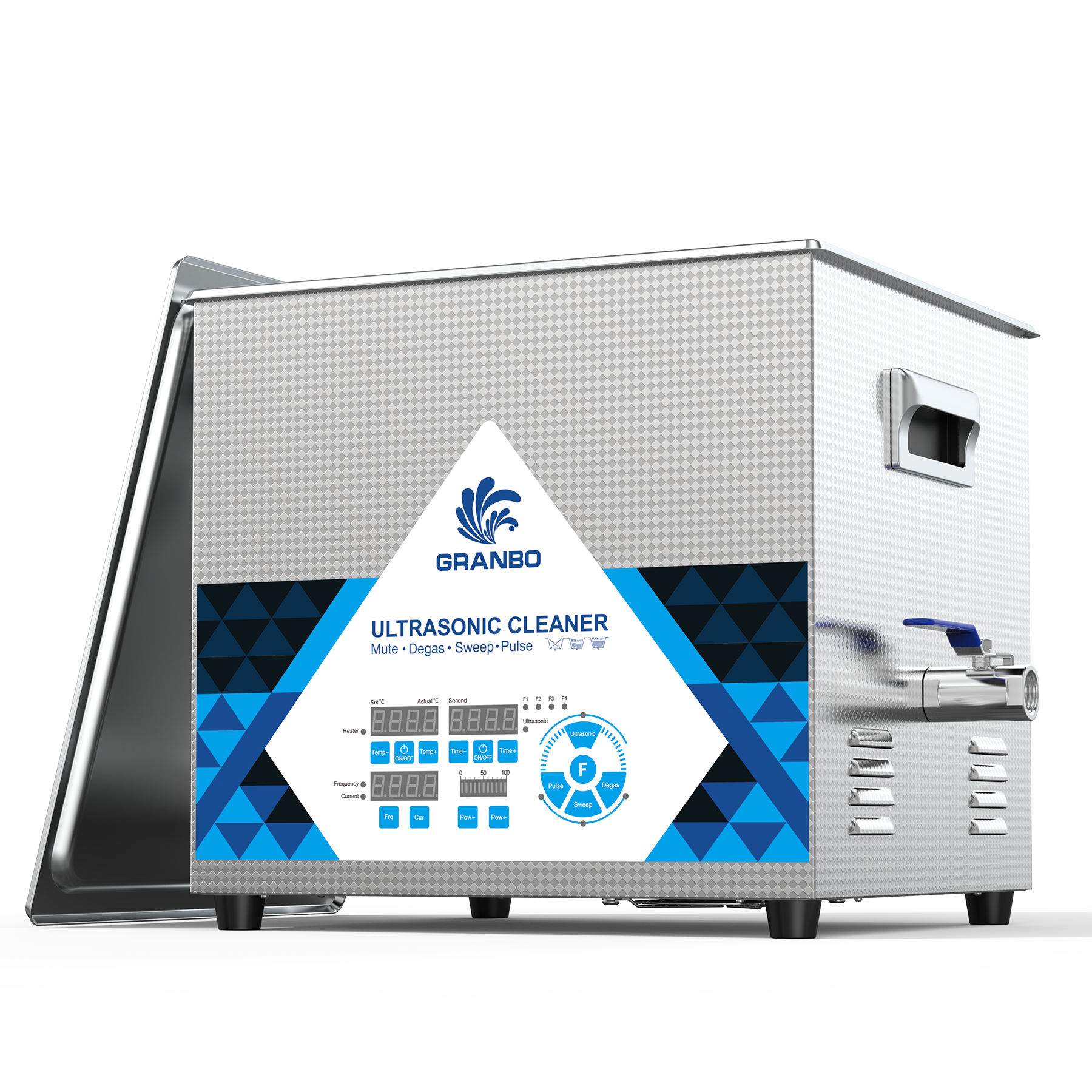
Granbo GA008G ultrasonic cleaner
This ultrasonic cleaner makes it easy to clean items like hardware, fasteners, small metal parts – even jewelry.
It would be a nice ultrasonic cleaner for precious belongings, featuring a portable size along with a digital control panel, timer, and degassing function.
Specifications:
Model GA008G
Capacity: 0.8L
Features: Digital control panel + Timer + Degassing
Cleaning Appliance Type: For Jewelry
Tank size: 150×85×65 mm
Unit size: 175×110×125 mm
Ultrasonic power: 60W, 1 piece transducer
Ultrasonic frequency: 40Khz
Heater: 20~80°C
Timer: 0-30mins
Voltage: AC 100~120V, 60Hz; AC 220~240V, 50Hz
Material: SUS304 Stainless steel tank and basket has resistance to wear and long work life.
Click Here to Buy: Granbo GA008G Ultrasonic Cleaner