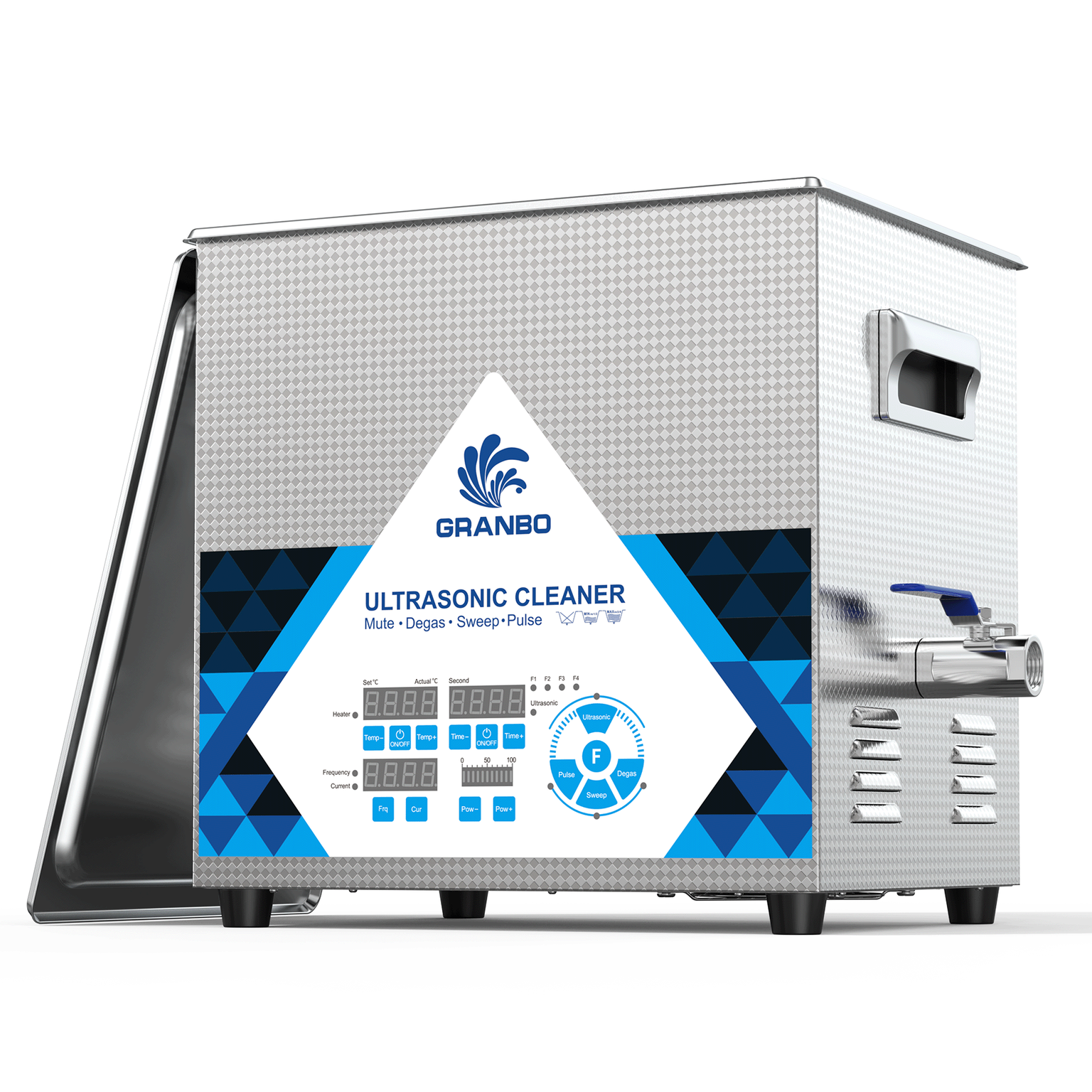
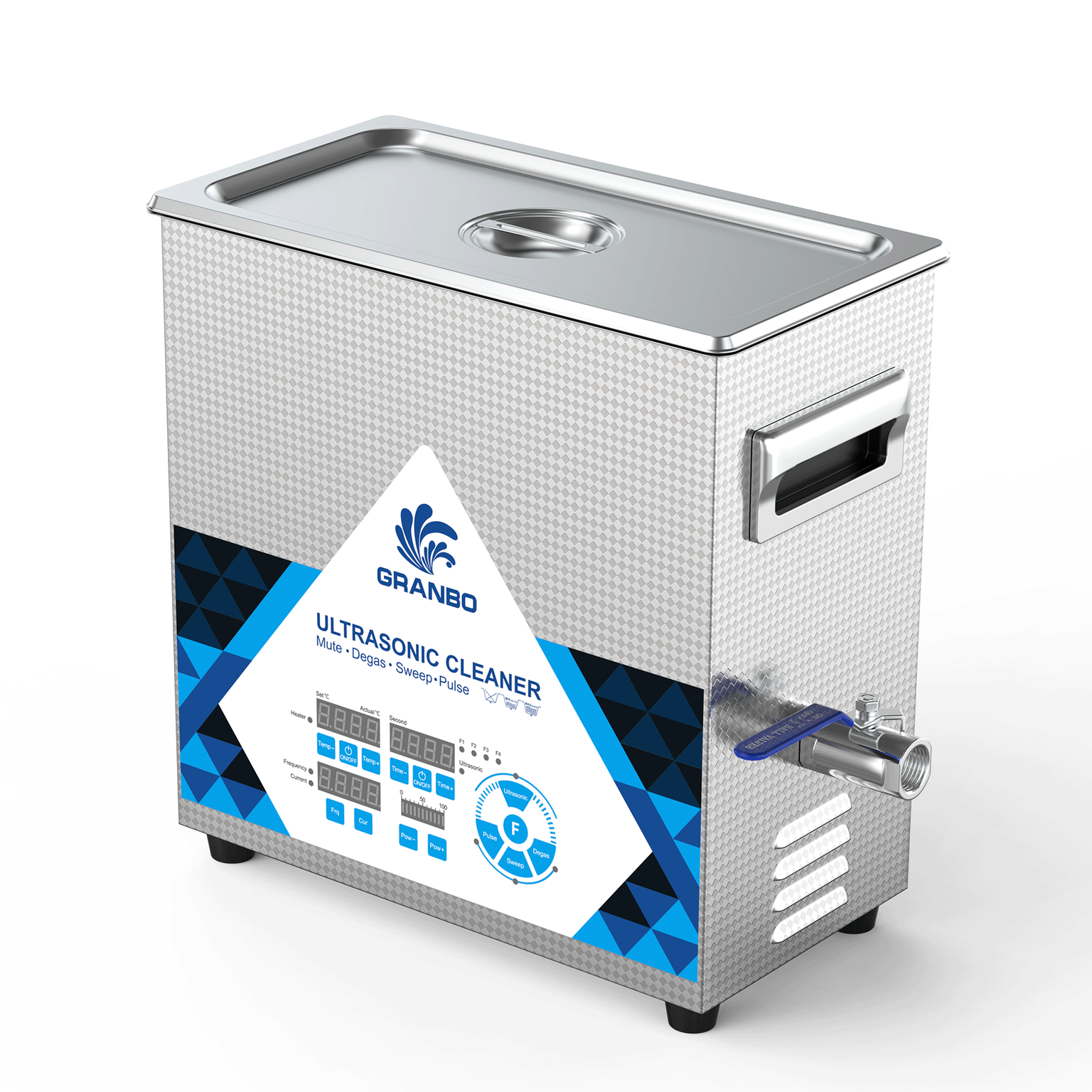
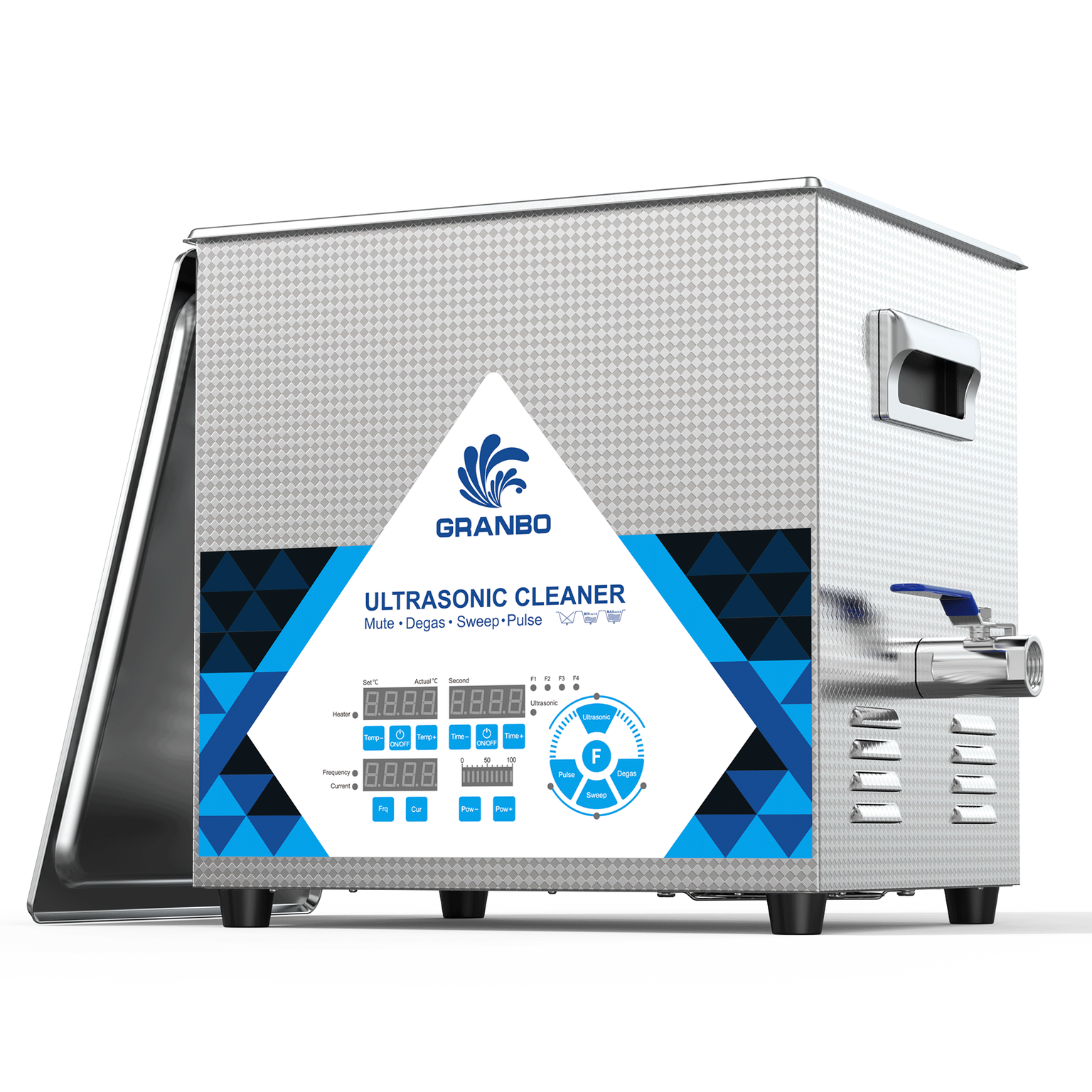
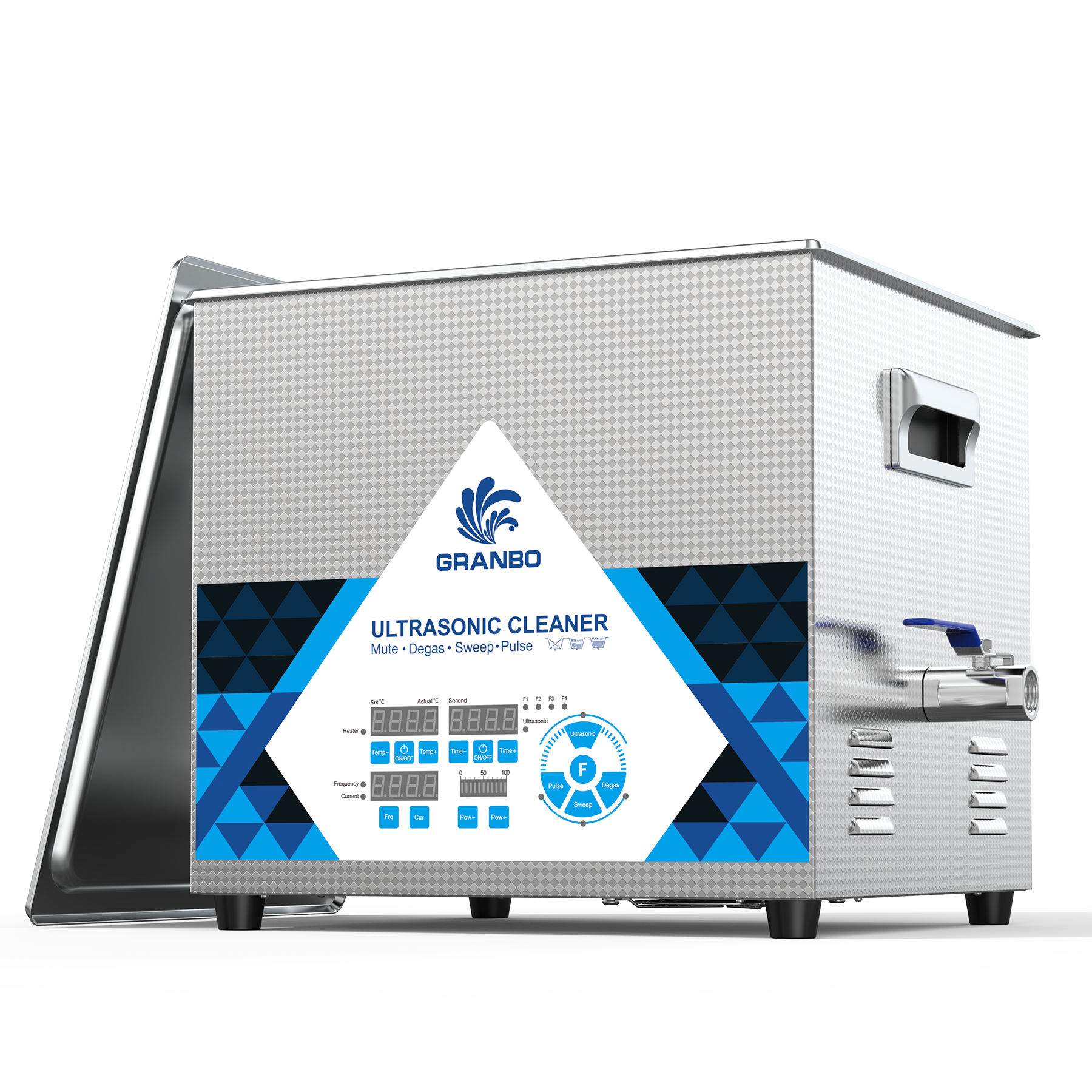
 Granbo Sonic









Is an Ultrasonic Jewellery Cleaner Really Worth It?
Browse Volume:80 Classify:Support
Jewellery holds more than monetary value. Whether it is a wedding ring, a family heirloom, or a statement piece for a night out, each item is worn with pride. But over time, even the most precious pieces lose their shine. Dirt settles into crevices. Oils from skin and hair dull the finish. Regular cleaning helps preserve both beauty and hygiene. That is where ultrasonic cleaners enter the conversation.
They promise a way to bring sparkle back, with minimal effort. But before investing in one, it is important to ask whether they truly deliver results and if they are suitable for every piece in your collection.
Why Jewellery Cleaning Matters More Than You Think
Jewellery is worn close to the body. That makes it especially prone to picking up sweat, lotion, perfume, dust, and more. Even indoor air contributes to buildup, especially in intricate designs like chain links, pave settings, and filigree. Over time, that buildup causes more than just dullness.
It can irritate the skin, trap bacteria, or even loosen small stones if grime interferes with adhesives or prongs. For fine jewellery with gemstones or antique finishes, cleaning is also part of proper care. Neglect shortens the life of a piece and increases the risk of costly repairs.
Traditional polishing with cloths can only do so much, and often misses internal areas or detailed surfaces. For this reason, ultrasonic cleaning is growing in popularity among both professionals and home users.
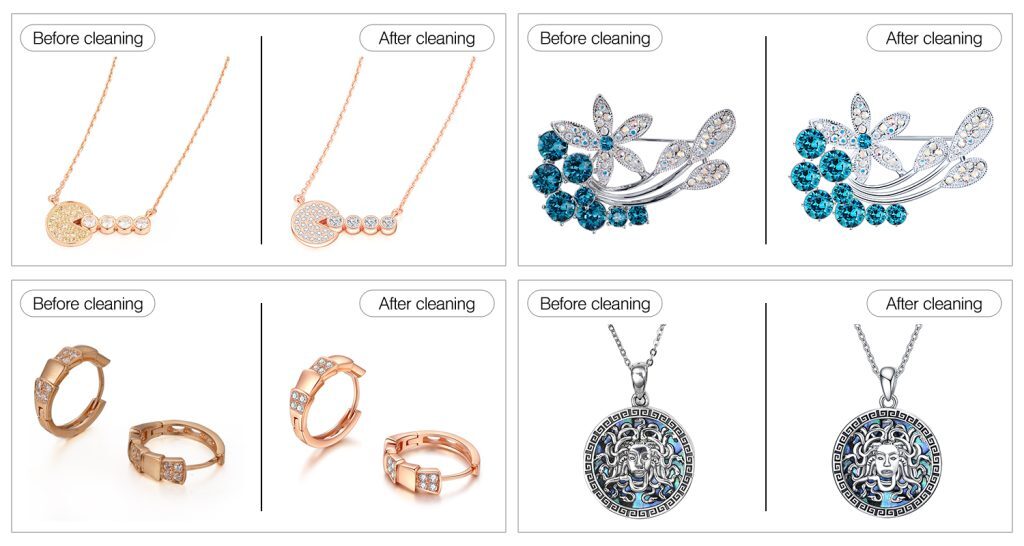
Granbo ultrasonic Jewelry Cleaning effect
What Is an Ultrasonic Jewellery Cleaner?
An ultrasonic cleaner is a device that uses high-frequency sound waves to clean items submerged in a liquid bath. Most household and commercial models operate within the 40 to 80 kilohertz range, generating vibrations that create thousands of microscopic bubbles in a process called cavitation.
As the bubbles collapse, they generate tiny shockwaves that loosen and remove dirt from even the tiniest gaps. This process happens uniformly across the surface of the item, reaching where brushes or cloths cannot.
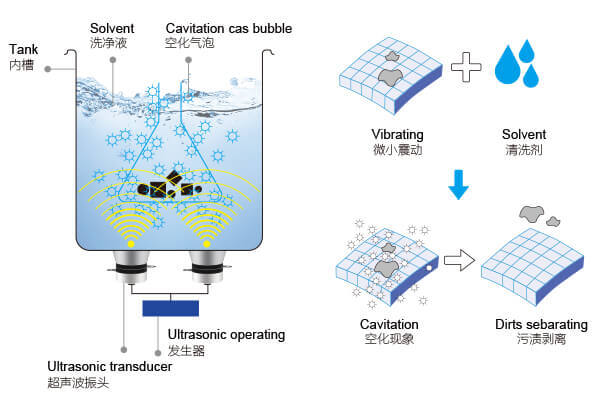
The Principle Behind Ultrasonic Cleaning
Most jewellery cleaners designed for home use are compact and require just tap water and a mild detergent. Some have heated tanks or built-in timers, while others rely on a simple plug-and-play design.
While this technology sounds high-tech, it has been used in dental clinics, watch repair shops, and medical labs for years. Now, it is become accessible and affordable for consumers.
What Types of Jewellery Work Best with Ultrasonic Cleaning?
Ultrasonic cleaning is ideal for solid metal items like gold, platinum, and stainless steel. It also works well on diamond jewellery, sapphire, and rubies, provided they are securely set. These hard stones and durable settings can handle the energy of cavitation without issue.
Where it becomes risky is with porous or soft gemstones. Pearls, turquoise, emeralds, opals, and amber can be damaged by vibration or heat. Jewellery with glued components, such as earrings with glued-in stones, may fall apart in the process.
Heavily tarnished silver may need additional care, as ultrasonic action does not remove oxidation. In that case, a silver polish is often more effective.
Jewellery with hollow sections, movable parts, or antique finishes may also be at risk. For example, old watches or lockets that are not fully sealed could trap water or be misaligned by the vibration.
The Benefits of Ultrasonic Cleaning Devices
The biggest draw of ultrasonic cleaning is its thoroughness. It removes buildup from spots that go untouched during manual cleaning. This is especially useful for rings, chains, and intricate pieces where dirt settles deep inside.
Another advantage is speed. Most ultrasonic machines can clean jewellery in just three to five minutes. There is no need to scrub or soak for hours.
Ultrasonic cleaners also reduce wear and tear. No friction from brushes means lower chances of scratching polished metal or dislodging stones during cleaning.
Over time, users notice their jewellery stays brighter longer. The regular removal of skin oils and sweat slows oxidation and corrosion, especially on white gold and silver.
Compared to manual cleaning, ultrasonic cleaners win on consistency and coverage. They deliver a near-professional result at home, especially if used correctly and maintained well.

Granbo ultrasonic Jewelry Cleaning
Risks and Limitations of Ultrasonic Jewellery Cleaners
Despite the benefits, ultrasonic cleaning is not perfect. One of the most common mistakes is assuming all jewellery is safe to clean this way. As mentioned, some gemstones and materials can crack, fade, or become loose.
Ultrasonic energy can also cause unexpected issues in vintage jewellery. Old prongs, worn glue, or fragile mounts may not withstand the process. For such pieces, traditional hand-cleaning is safer.
Another risk is user error. Using the wrong solution, running the cleaner for too long, or placing items directly on the tank base can damage jewellery. That is why reading the manual and understanding your jewellery is important.
Even with the right technique, ultrasonic cleaning cannot fix everything. It will not polish out scratches or restore plating. It is a maintenance tool, not a repair service.
Some users also report residue left behind after cleaning, which is often due to using hard tap water or not rinsing the items thoroughly.
Professional jewellers advise using distilled water and approved cleaning agents. They also recommend inspecting jewellery before and after cleaning to catch any signs of wear.
At-Home vs Professional Jewellery Cleaning: Which One Wins?
For most people, deciding between at-home ultrasonic cleaning and professional services comes down to cost, convenience, and confidence. A basic ultrasonic jewellery cleaner for home use can range from 40 to 150 dollars depending on size, features, and brand. Once purchased, the cost per cleaning is essentially nothing more than electricity and a small amount of cleaning solution.
By contrast, a single professional cleaning can cost between 25 and 75 dollars, depending on the jeweller and location. For those who wear jewellery daily or own several pieces, the cost adds up quickly. Over time, owning a cleaner often becomes the more economical option.
That said, jewellers offer something that machines cannot. They inspect prongs, test stone security, and polish using specialized compounds. They also know how to handle fragile pieces safely. For high-value items or those with sentimental value, a professional touch may still be the wiser choice.
Many jewellery owners take a hybrid approach. They use an ultrasonic cleaner weekly or monthly to maintain cleanliness, and visit a jeweller once or twice a year for a deep clean and inspection. This way, the investment in a machine stretches further while keeping risks low.
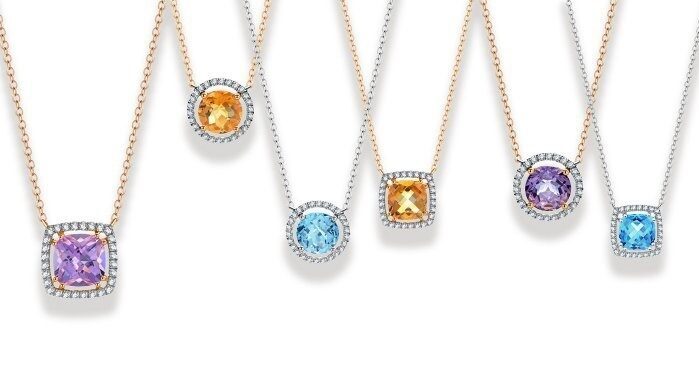
jewelry cleaner
Real-World User Insights and Experience
Online reviews and forum discussions paint a vivid picture of what it is like to own an ultrasonic jewellery cleaner. Many first-time users are surprised by how much grime appears in the water after just one cycle. Items they thought looked clean reveal residues of makeup, lotion, and fine dust.
Users with diamond engagement rings or eternity bands report that the sparkle returns after ultrasonic cleaning in a way they had not seen since buying the item. Others mention that chains and earrings feel noticeably lighter and smoother once buildup is gone.
There are also stories of mistakes. Some users have placed antique or delicate pieces in the tank only to find stones missing or finishes dulled. These experiences reinforce the importance of checking jewellery compatibility before cleaning.
Overall satisfaction is highest among users who clean modern, solid jewellery regularly and follow usage instructions carefully. They often see the ultrasonic cleaner as a time-saving essential, especially when caring for multiple items.
What to Look for When Buying an Ultrasonic Jewellery Cleaner
With many options on the market, choosing the right machine can be confusing. But a few features make a big difference:
-
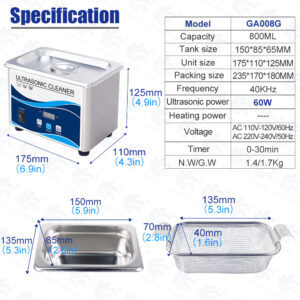
- Frequency Range: 40 kHz is the standard for most jewellery. Higher frequencies may clean more gently but are not always necessary.
- Tank Size: A larger tank lets you clean multiple items at once, which is useful for families or collectors.
- Timer Settings: Built-in timers help you avoid over-cleaning and make the process more convenient.
- Heating Function: Warm water enhances cleaning effectiveness, especially for oily residues.
- Basket and Accessories: A basket keeps items off the tank floor, preventing scratches or damage from direct contact.
Common Misunderstandings About Ultrasonic Cleaning
One myth is that ultrasonic cleaning works like magic. In reality, it cannot repair damage, restore lost plating, or eliminate deep tarnish. It is a cleaning method, not a restoration process.
Another common belief is that all jewellery is suitable for ultrasonic cleaning. As discussed earlier, that is not true. Delicate stones, glued settings, and vintage pieces should be kept out of the machine unless approved by a jeweller.
There is also confusion around cleaning solutions. Using dish soap, bleach, or ammonia can harm both jewellery and the machine. Only solutions made for ultrasonic use should be considered.
Some users assume more time means better results. In fact, over-cleaning can wear down finishes or loosen parts. Most cycles should be limited to five minutes or less.
Clarifying these points helps users enjoy the full benefits of ultrasonic cleaners without falling into costly traps.
Verdict: Are Ultrasonic Jewellery Cleaners Worth the Investment?
If you own several pieces of modern jewellery, especially gold, silver, or diamond items, an ultrasonic cleaner is almost certainly worth the cost. It saves time, enhances shine, and helps protect your collection from long-term buildup.
For collectors, couples with engagement and wedding rings, or those who regularly wear jewellery to work or events, the convenience factor alone can justify the purchase. When used properly and on the right materials, the results often rival professional cleaning.
However, if your jewellery is limited to a few delicate or antique items, or you only wear pieces on special occasions, it may be better to stick with manual cleaning or professional care. The machine needs to match the material and frequency of your usage.
In either case, understanding the strengths and limits of ultrasonic cleaning is key. It is not a one-size-fits-all solution, but for the right jewellery, it is a smart and rewarding upgrade.