 Granbo Sonic











Aluminum and Ultrasonic Cleaners: What You Need to Know
Browse Volume:96 Classify:Support
Ultrasonic cleaning has revolutionized how we approach removing dirt, grease, and contaminants from various materials. But when it comes to aluminum, many people hesitate before dropping their parts into the cleaning tank. This uncertainty stems from legitimate concerns about how this reactive metal responds to aggressive cleaning methods.
The question of whether aluminum can withstand ultrasonic cleaning depends on multiple factors, including the alloy type, surface finish, cleaning solution chemistry, and operating parameters. While aluminum isn’t as delicate as some believe, it does require a thoughtful approach to avoid damage.
Understanding Ultrasonic Cleaning Technology
How Ultrasonic Cleaners Work
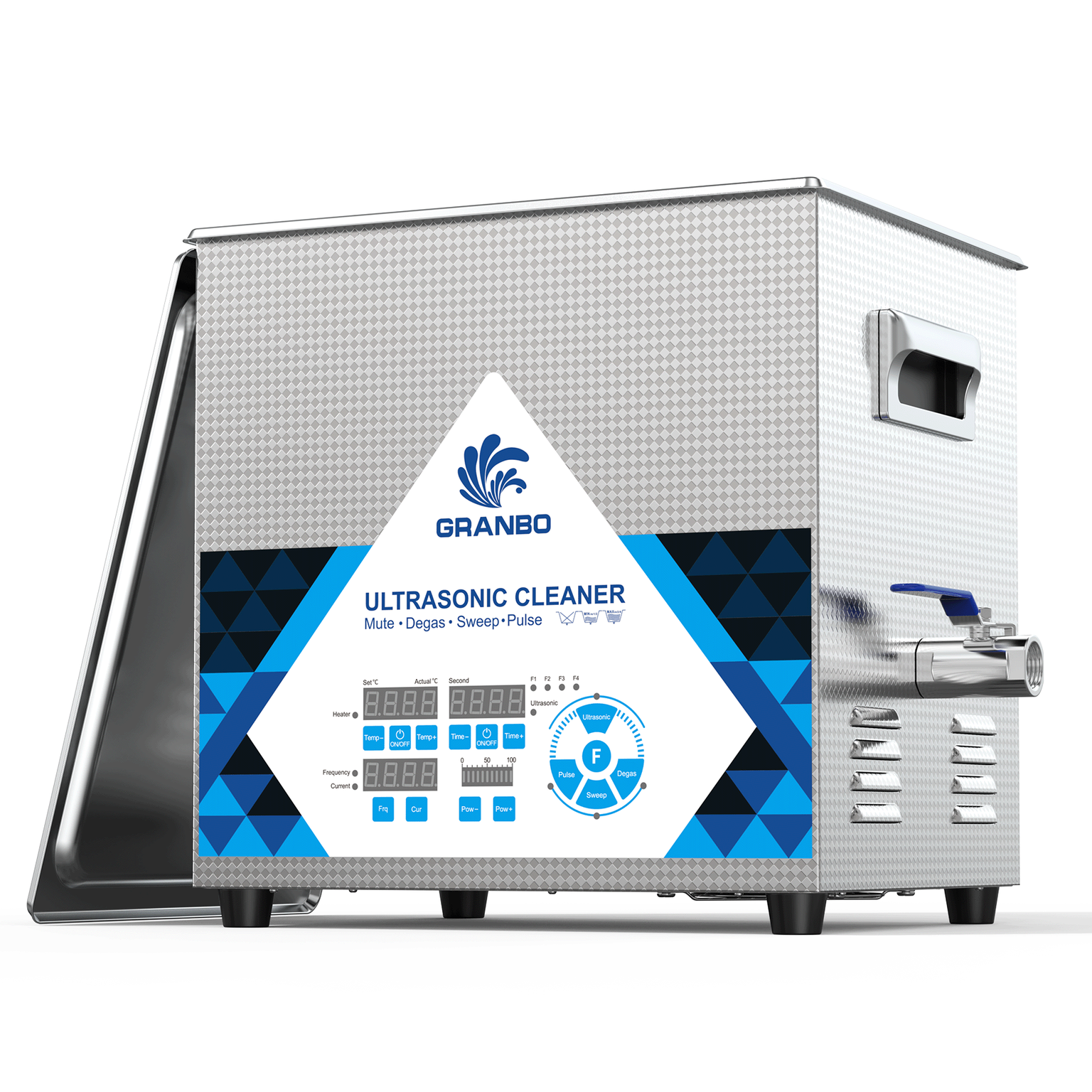
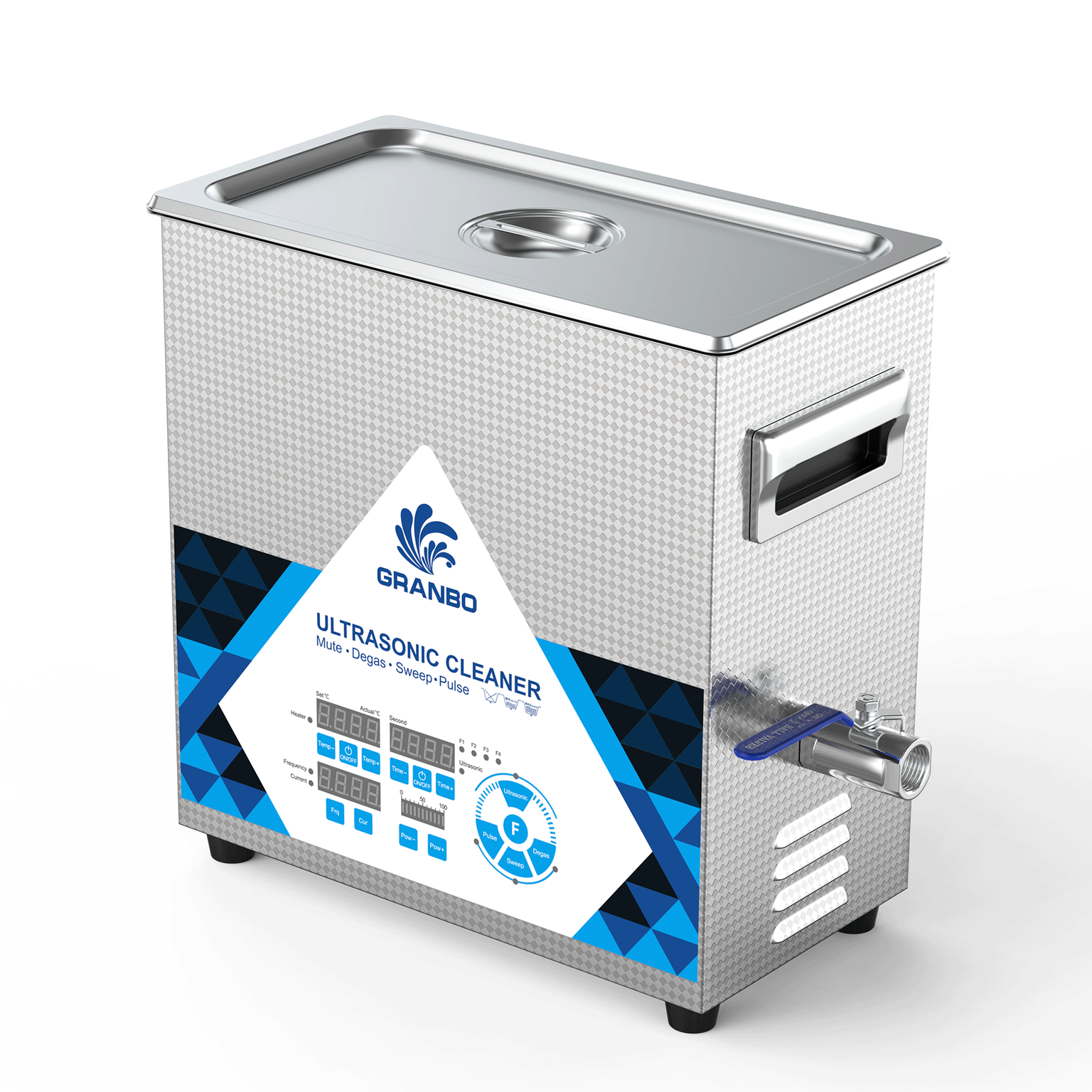
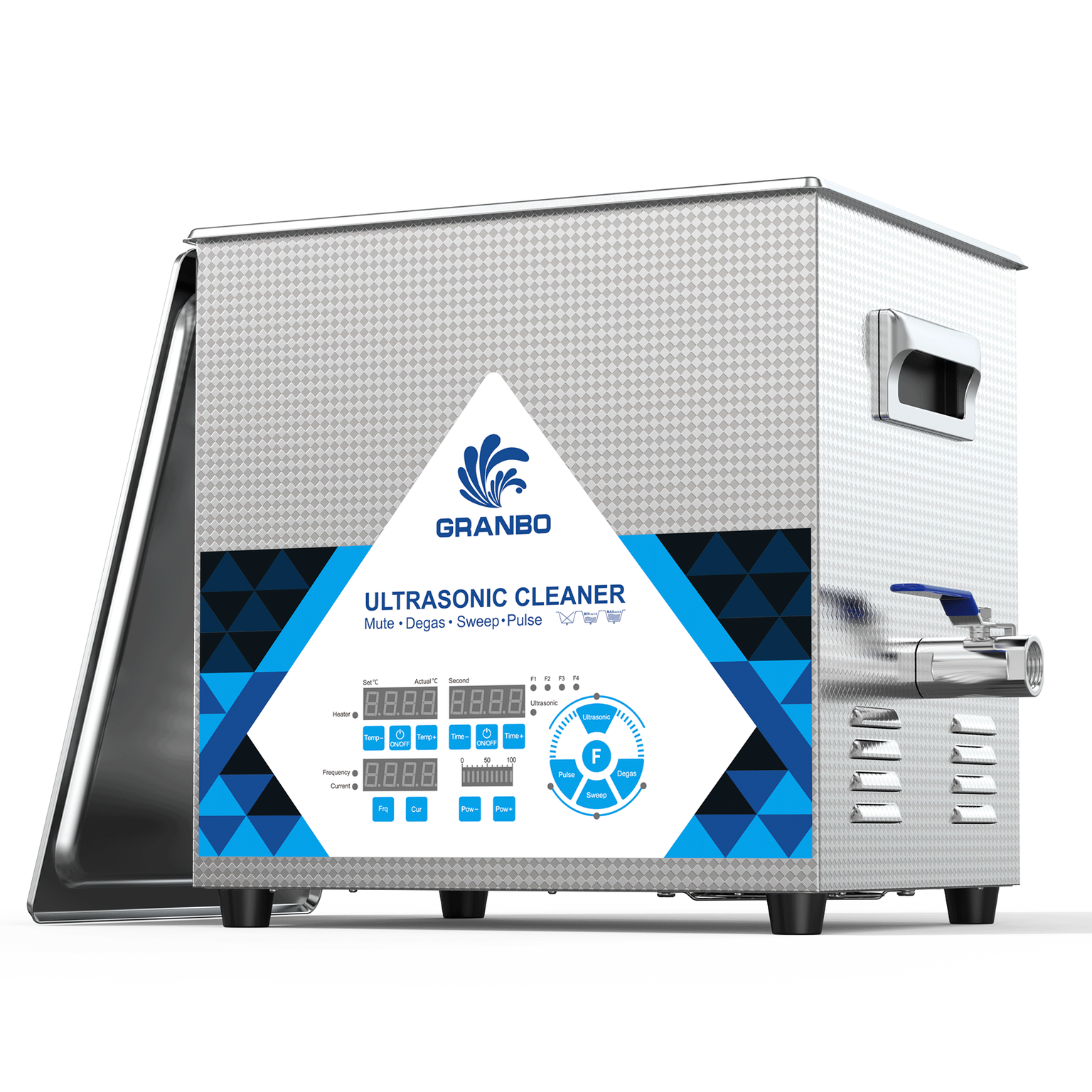
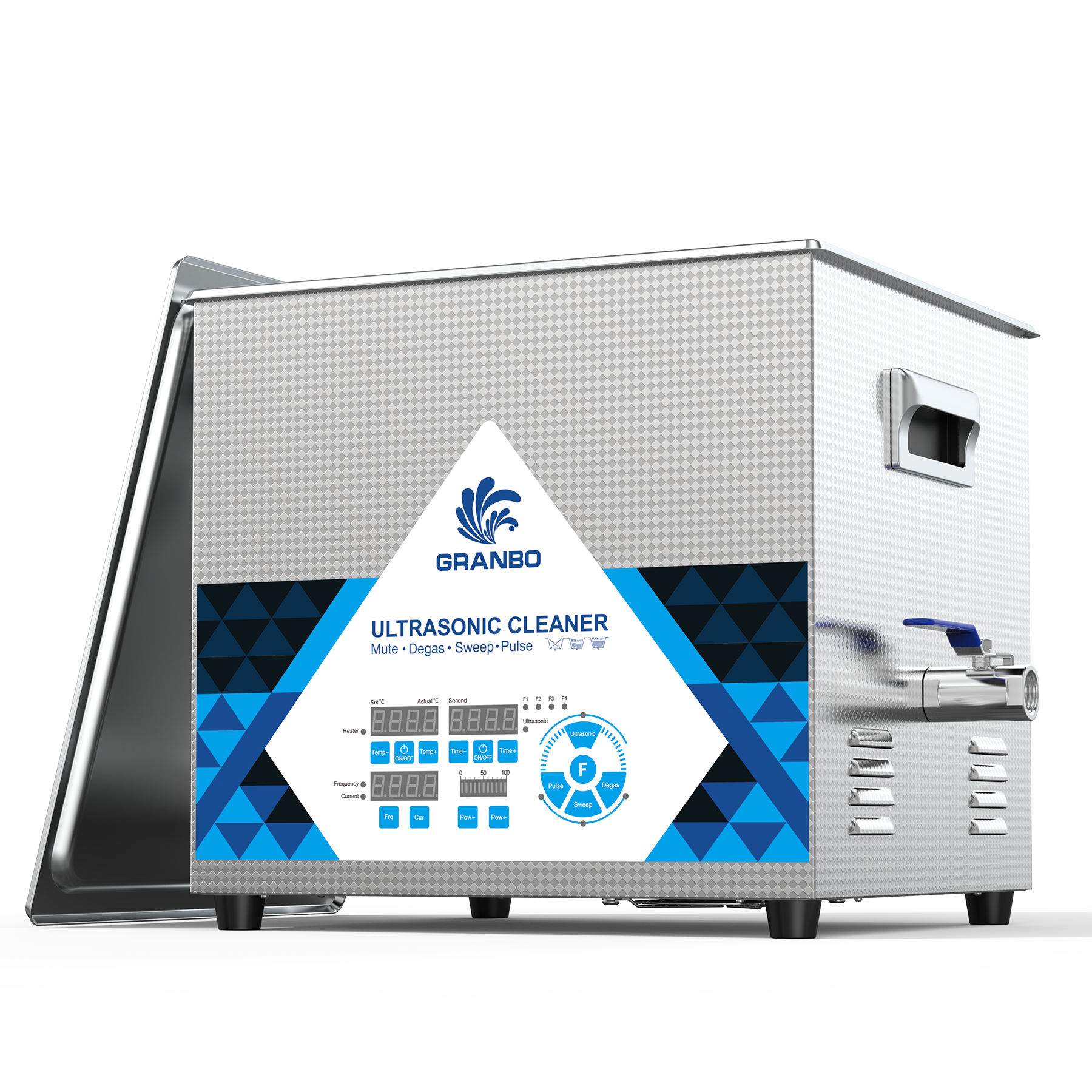
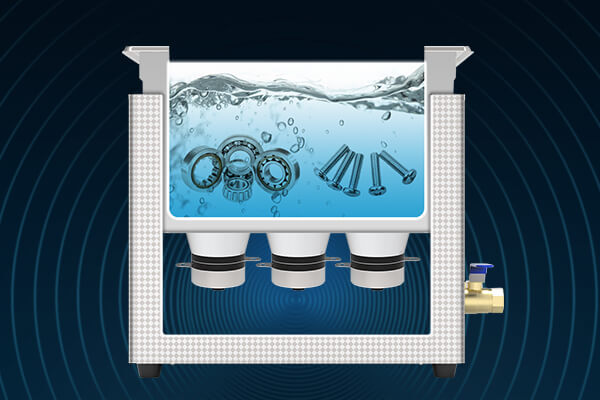
Ultrasonic cleaners operate through high-frequency sound waves, typically ranging from 17 kHz to 200 kHz. These sound waves travel through a liquid cleaning solution, creating an effect that reaches into tiny crevices and complex geometries impossible to clean by hand.
Ultrasonic cleaning
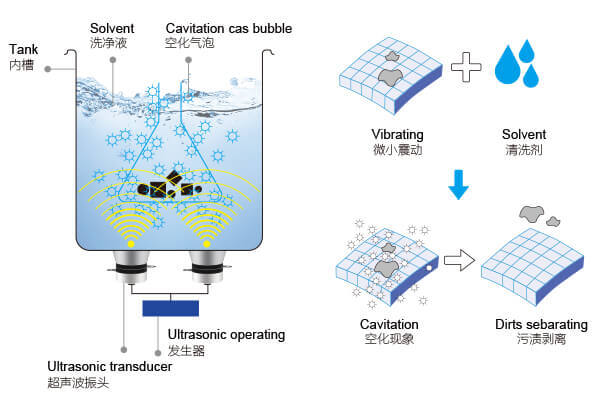
The device consists of a tank filled with cleaning solution, transducers mounted to the tank bottom or sides, and a generator that powers the transducers. When activated, the transducers convert electrical energy into mechanical vibrations that propagate through the liquid.
The Cavitation Process Explained
Cavitation represents the heart of ultrasonic cleaning power. As sound waves move through the liquid, they create alternating high-pressure and low-pressure cycles. During low-pressure cycles, microscopic bubbles form throughout the solution. These bubbles grow until they become unstable, then violently collapse during high-pressure cycles.
The implosion of millions of these tiny bubbles generates intense localized forces, reaching temperatures up to 5,000 degrees Celsius and pressures exceeding 10,000 psi for microseconds. This concentrated energy dislodges contaminants from surfaces without requiring harsh scrubbing or abrasive materials.
For most materials, cavitation provides thorough cleaning without damage. However, softer metals like aluminum can be affected by the intensity of this process if parameters aren’t properly controlled.
The Principle Behind Ultrasonic Cleaning
Can Aluminum Be Safely Cleaned in Ultrasonic Cleaners?
The Short Answer
Yes, aluminum can absolutely be cleaned in ultrasonic cleaners when proper precautions are followed. Thousands of industries successfully use ultrasonic cleaning for aluminum components daily, from aerospace manufacturers cleaning turbine parts to jewelers restoring aluminum watch cases.
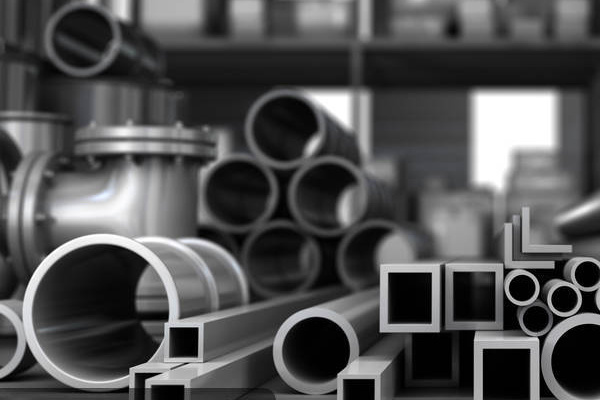
The key lies in understanding that aluminum isn’t a single material. Different aluminum alloys exhibit varying hardness levels, corrosion resistance, and reactivity. Pure aluminum (1xxx series) behaves differently than aerospace-grade 7075 aluminum or marine-grade 5083 alloy.
Aluminum Alloy
Why Aluminum Requires Special Consideration
Aluminum sits in a unique position among metals. Its natural oxide layer provides corrosion protection, but this same layer can react with certain cleaning solutions. The metal’s relatively soft nature compared to steel means cavitation can potentially cause surface etching if cleaning parameters are too aggressive.
Additionally, aluminum is amphoteric, meaning it reacts with both strong acids and strong bases. Many industrial cleaning solutions use high pH alkaline formulations that work wonderfully on steel but can attack aluminum surfaces, causing pitting, darkening, or material loss.
The combination of chemical reactivity and physical softness doesn’t make aluminum unsuitable for ultrasonic cleaning. Rather, it means you need to select appropriate solutions and settings rather than using one-size-fits-all approaches.
The Science Behind Aluminum and Cavitation
Aluminum’s Physical Properties
Aluminum has a Mohs hardness of approximately 2.5 to 3, significantly softer than hardened steel at 7 to 8. This softness makes it more susceptible to mechanical wear from aggressive cavitation. However, many aluminum alloys incorporate hardening elements like copper, magnesium, or zinc that substantially increase surface hardness.
The metal’s thermal conductivity stands out as exceptional, roughly four times that of steel. This property helps aluminum parts resist localized heating from cavitation bubble collapse, distributing thermal energy quickly across the surface.
Aluminum’s density of 2.7 grams per cubic centimeter means lighter parts may move around in the ultrasonic bath, potentially causing inconsistent cleaning or collisions with tank walls. Proper basket design or fixture use prevents this issue.
Potential Risks and Concerns
The primary risk when ultrasonically cleaning aluminum involves chemical attack rather than mechanical damage. Alkaline solutions above pH 10 can dissolve the protective aluminum oxide layer, exposing fresh metal to further reaction. This creates a dull, etched surface finish and can weaken thin-walled components.
Strong acidic solutions below pH 3 present similar risks, though these are less commonly used in ultrasonic cleaning applications. Chloride-containing solutions pose additional threats, as chloride ions can initiate pitting corrosion even on otherwise resistant aluminum alloys.
Excessive cleaning duration or frequency settings that are too high can cause micro-pitting on soft aluminum surfaces. While this rarely affects functionality, it may compromise cosmetic appearance on decorative parts or create stress concentration points in high-fatigue applications.
Galvanic corrosion becomes a concern when cleaning aluminum parts in contact with dissimilar metals like brass, copper, or steel. The ultrasonic action and cleaning solution create an electrochemical cell that accelerates corrosion on the more reactive aluminum.
Best Practices for Cleaning Aluminum in Ultrasonic Cleaners
Choosing the Right Cleaning Solution
Neutral pH cleaners formulated specifically for aluminum represent the safest choice. These solutions typically maintain pH levels between 7 and 9.5, providing effective cleaning without attacking the aluminum oxide layer. Many manufacturers offer specialized aluminum-safe formulations containing surfactants, chelating agents, and corrosion inhibitors.
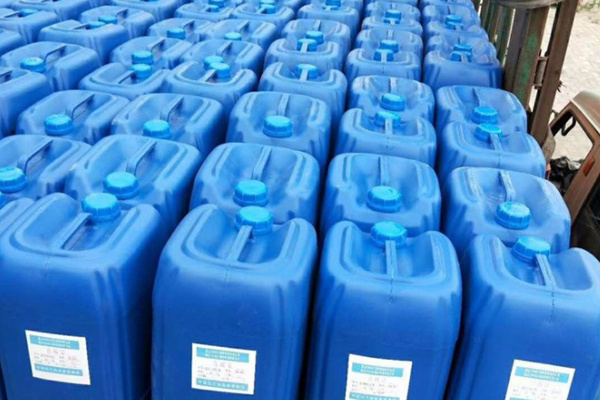
Cleaning Solution
For heavily soiled parts, mild alkaline solutions up to pH 10 can be used with shorter exposure times. Always test on a sample piece first, especially with cast aluminum or unknown alloys. Watch for discoloration, which indicates chemical attack.
Water quality matters significantly. Distilled or deionized water prevents mineral deposits and reduces the risk of chloride contamination. Hard water can leave calcium and magnesium deposits on aluminum surfaces, requiring additional rinsing steps.
Some effective aluminum-safe cleaning solution options include diluted Simple Green (at recommended concentrations), specialized ultrasonic jewelry cleaners designed for multiple metals, and industrial formulations like Alconox or Branson EC cleaning solution.
Heating
Temperature Settings for Aluminum
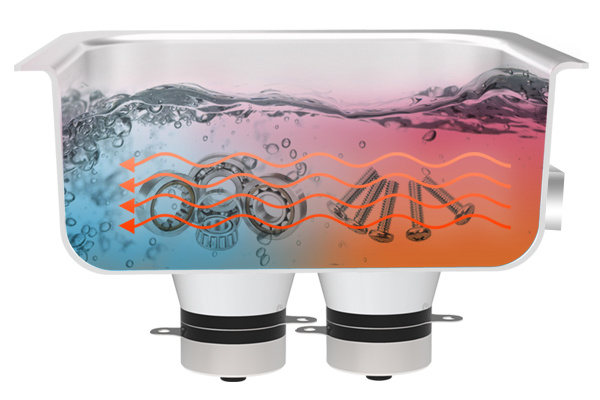
Operating temperature directly influences cleaning effectiveness and chemical reaction rates. For aluminum, maintaining solution temperature between 50 and 65 degrees Celsius provides optimal cleaning without excessive chemical activity.
Lower temperatures around 40 to 50 degrees Celsius work well for lightly soiled parts or when using more aggressive cleaning solutions. The reduced temperature slows chemical reactions, minimizing the risk of surface damage.
Higher temperatures above 70 degrees Celsius should be avoided unless using specially formulated solutions. Elevated temperatures accelerate both cleaning and corrosion, potentially causing damage before the cleaning cycle completes.
Many modern ultrasonic cleaners include adjustable heating elements and thermostatic controls. Monitor temperature throughout the cleaning cycle, as ultrasonic energy itself generates heat over time.
Optimal Frequency and Duration
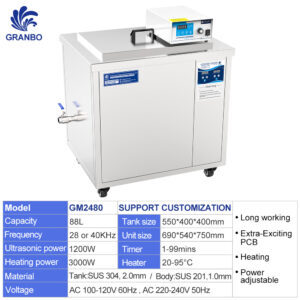
Frequency selection impacts cleaning effectiveness and potential surface damage. Lower frequencies between 25 and 40 kHz generate larger, more powerful cavitation bubbles suitable for removing heavy contamination from robust aluminum parts.
Higher frequencies from 80 to 170 kHz create smaller, gentler bubbles that clean delicate aluminum components without causing surface damage. These higher frequencies work exceptionally well on precision machined parts, thin sheets, or aluminum with soft coatings.
Cleaning duration should be minimized while still achieving desired results. Start with short cycles of 3 to 5 minutes, then inspect parts. Most aluminum components clean thoroughly within 5 to 10 minutes. Extending cleaning beyond 15 minutes rarely improves results and increases the risk of surface etching.
Pulse or sweep modes, available on advanced ultrasonic cleaners, provide gentler cleaning action by varying frequency or power output. These modes reduce the intensity of cavitation while maintaining effectiveness, making them ideal for sensitive aluminum applications.
Types of Aluminum Items Suitable for Ultrasonic Cleaning
Automotive Parts
Carburetor bodies, engine blocks, cylinder heads, and intake manifolds clean exceptionally well in ultrasonic systems. These cast aluminum components typically have robust walls and can withstand standard cleaning parameters.
Aluminum wheels and brake components benefit from ultrasonic cleaning to remove brake dust, road grime, and baked-on contaminants. However, coated or painted wheels require gentle solutions to preserve finishes.
Transmission parts, radiator end tanks, and air conditioning components made from aluminum respond well to ultrasonic cleaning. The process reaches internal passages and complex geometries impossible to clean manually.
Electronics Components
Heat sinks manufactured from extruded aluminum profiles clean effectively without damaging fins or base surfaces. Remove thermal interface material and dust buildup without bending delicate fins.
Aluminum electronics enclosures, connector housings, and shielding components benefit from ultrasonic cleaning during manufacturing or refurbishment. Ensure all electrical components are removed before cleaning.
Computer and aerospace electronics often use aluminum chassis that accumulate dust and fingerprints during assembly. Ultrasonic cleaning provides cosmetic improvement without leaving residues that manual wiping might introduce.
Jewelry and Decorative Items
Aluminum jewelry pieces clean beautifully in ultrasonics, restoring original luster without hand polishing. Use mild solutions and shorter cycles to preserve any intentional patina or surface treatments.
Watch cases and bracelets made from aluminum alloys respond well to gentle ultrasonic cleaning. Remove movements and gaskets before cleaning, and avoid cleaning plated or anodized pieces unless you’ve verified solution compatibility.
Decorative aluminum items like nameplates, badges, and trim pieces regain their shine through ultrasonic cleaning. Test inconspicuous areas first on items with antiqued or brushed finishes.
Industrial Applications
Machined aluminum components from CNC operations arrive covered in cutting oils, chips, and coolant residues. Ultrasonic cleaning removes these contaminants from threads, holes, and complex features more effectively than spray washing.
Aluminum castings often require cleaning to remove sand, investment material, or die lubricants. Ultrasonic systems clean internal passages and undercuts that trap manufacturing residues.
Extrusions, forgings, and stamped parts benefit from ultrasonic degreasing before assembly, welding, or finishing operations. The process ensures clean surfaces for reliable bonding and coating adhesion.
Medical devices and food processing equipment made from aluminum require validation-compliant cleaning. Ultrasonic systems provide consistent, documented cleaning that meets stringent regulatory requirements.
Common Mistakes to Avoid
Using Harsh Alkaline Solutions
The most frequent error involves using cleaning solutions designed for steel on aluminum parts. Heavy-duty alkaline degreasers with pH levels above 11 quickly attack aluminum, causing gray or black discoloration and surface pitting.
Even moderately alkaline solutions become problematic during extended cleaning cycles. The cumulative exposure dissolves protective oxide layers, leaving parts vulnerable to corrosion after removal from the cleaner.
Some users assume stronger solutions clean better, increasing concentration beyond manufacturer recommendations. This approach backfires with aluminum, accelerating chemical attack without improving cleaning effectiveness.
Excessive Cleaning Times
Leaving aluminum parts in the ultrasonic cleaner beyond necessary durations invites problems. While stainless steel might tolerate 30 to 60 minute cycles, aluminum rarely requires more than 10 to 15 minutes.
Extended exposure allows cleaning solutions to slowly react with aluminum surfaces even at neutral pH levels. Temperature rise from continuous ultrasonic operation further accelerates these reactions.
Some users run multiple consecutive cycles without inspection, assuming longer cleaning guarantees better results. This practice wastes time and energy while increasing the risk of surface damage.
Ignoring Surface Coatings
Anodized aluminum requires special care, as the porous oxide layer can trap cleaning solutions. Harsh chemicals or excessive cavitation may damage or strip anodized coatings, destroying the protective and decorative finish.
Painted or powder-coated aluminum needs even gentler treatment. Aggressive cleaning can chip, fade, or undercut coatings at edges and corners. Always verify coating compatibility before ultrasonic cleaning.
Clear-coated aluminum parts may experience delamination if cleaning solutions penetrate through chips or scratches in the protective layer. Inspect coated parts carefully and address coating damage before ultrasonic cleaning.
Plated aluminum components face risks from both chemical attack and galvanic corrosion. Chrome, nickel, or zinc plating may separate from aluminum substrates if cleaning solutions compromise the plating adhesion or penetrate through defects.
Alternative Cleaning Methods for Sensitive Aluminum
When to Choose Manual Cleaning
Certain aluminum items shouldn’t enter ultrasonic cleaners regardless of solution selection. Antique aluminum pieces with historical patina, delicate aluminum foil components, or extremely thin-walled castings risk damage from cavitation forces.
Aluminum assemblies containing dissimilar metals, adhesive bonds, or press-fit components may separate under ultrasonic vibration. Disassemble these items or choose alternative cleaning methods to maintain integrity.
Highly polished aluminum mirrors or optical components can develop micro-scratches from ultrasonic cleaning. Hand cleaning with appropriate solvents preserves mirror finishes better than aggressive ultrasonic action.
Chemical Cleaning Options
Solvent degreasing using mineral spirits, isopropyl alcohol, or acetone provides effective cleaning for lightly soiled aluminum without water-based solution risks. These solvents evaporate cleanly without leaving residues or causing corrosion.
Vapor degreasing systems offer another alternative for precision aluminum parts. The process uses heated solvent vapors that condense on cooler parts, dissolving contaminants without mechanical action.
Alkaline spray washing systems can clean aluminum when formulated correctly with low pH solutions and appropriate inhibitors. Modern spray washers provide excellent results with better control over chemical exposure than immersion methods.
Acid pickling and brightening processes restore heavily oxidized or corroded aluminum surfaces. These specialized treatments require careful control but achieve results impossible through ultrasonic cleaning alone.
Maintenance Tips After Ultrasonic Cleaning
Proper post-cleaning procedures ensure aluminum parts remain protected and functional. Immediately after removing parts from the ultrasonic cleaner, rinse thoroughly with clean water to remove all cleaning solution residues. Residual chemicals can continue reacting with aluminum surfaces even after the ultrasonic action stops.
Hot water rinsing accelerates drying and helps prevent water spots on aluminum surfaces. For critical applications, use a final rinse with distilled or deionized water to eliminate mineral deposits.
Blow drying with compressed air removes water from blind holes, threads, and crevices where trapped moisture could cause corrosion. Ensure compressed air is filtered and dry to avoid introducing new contaminants.
Consider applying a protective coating or corrosion inhibitor immediately after cleaning and drying. Options include light oil films, wax-based protectants, or specialized aluminum preservatives depending on the application.
Store cleaned aluminum parts in low-humidity environments when possible. Moisture accelerates oxide layer reformation and can lead to staining or corrosion, especially on freshly cleaned surfaces with disrupted protective layers.
Inspect parts after cleaning and before use or assembly. Look for any signs of surface damage, discoloration, or dimensional changes that might indicate cleaning parameter problems. Document any issues to adjust future cleaning processes.
For production environments, establish cleaning parameter logs that track solution concentration, temperature, frequency, duration, and inspection results. This data helps optimize processes and identify trends before problems affect part quality.