 Granbo Sonic










Can Ultrasonic Cleaners Remove Rust?
Browse Volume:62 Classify:Support
Rust forms when iron or steel meets moisture and oxygen, creating that familiar reddish-brown coating that seems impossible to eliminate. Many people wonder if ultrasonic cleaners, those high-tech devices that promise effortless cleaning, can tackle this stubborn problem. The short answer is yes, but with important qualifications. Ultrasonic cleaners can effectively remove light to moderate surface rust, especially when combined with the right cleaning solutions. However, they work best as part of a comprehensive rust treatment strategy rather than as a standalone miracle solution.
The effectiveness depends heavily on the rust severity, the metal type, and how you use the equipment. Understanding these factors helps set realistic expectations and achieve the best possible results.
Understanding Ultrasonic Cleaning Technology
How Ultrasonic Cleaners Work
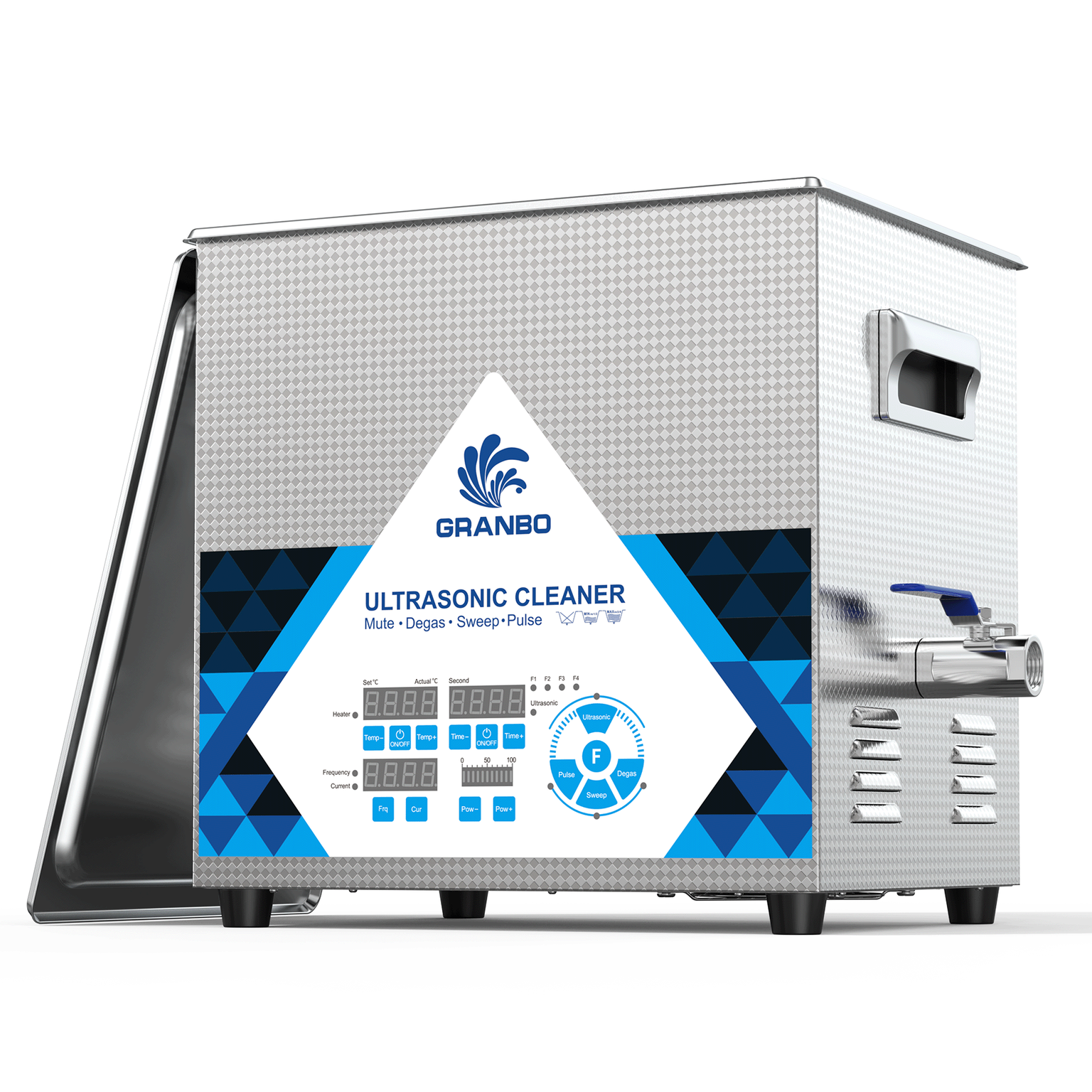
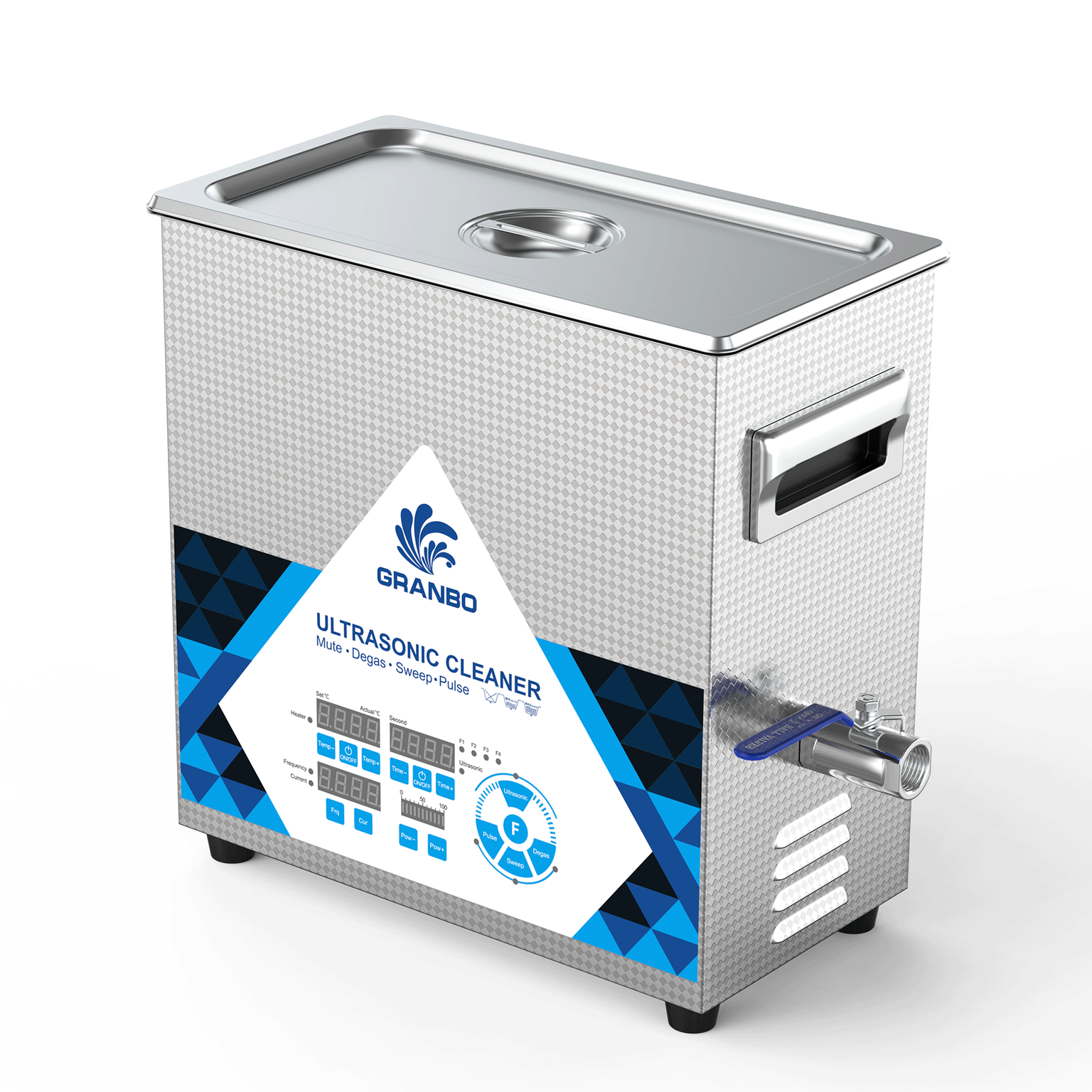
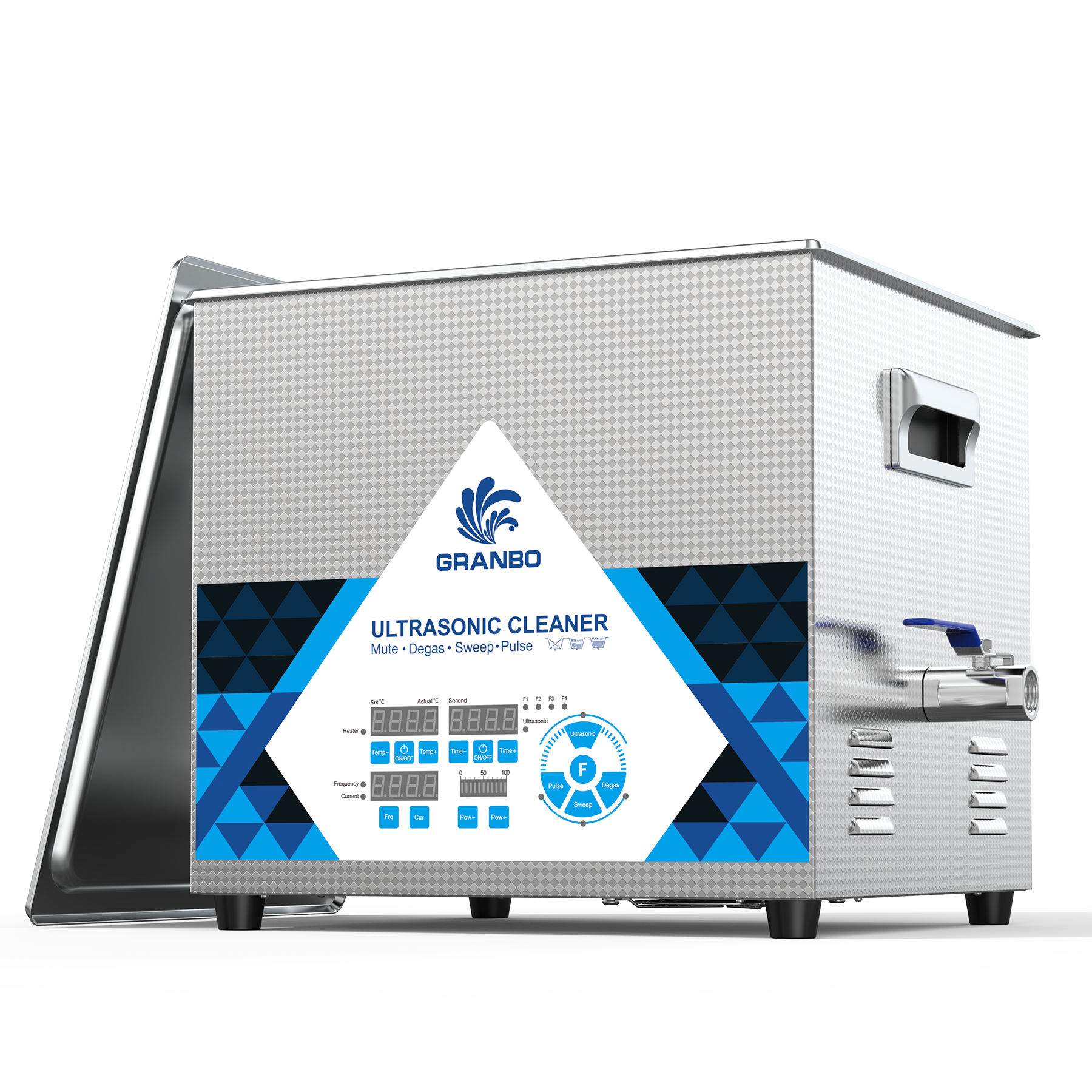
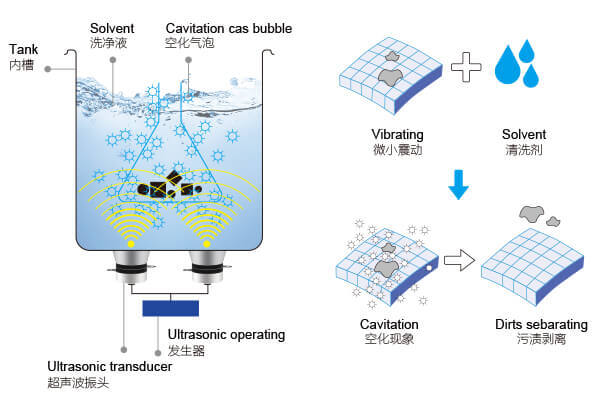
Ultrasonic cleaners generate high-frequency sound waves, typically between 20 and 200 kHz (kilohertz), though most consumer models operate around 40 kilohertz. These sound waves travel through a liquid cleaning solution, creating millions of microscopic bubbles in a process called cavitation. When these tiny bubbles collapse, they produce intense localized energy that dislodges contaminants from surfaces.
The cleaning action reaches into crevices, threads, and intricate details that manual scrubbing cannot access. This makes ultrasonic cleaning particularly valuable for complex mechanical parts, jewelry with detailed settings, or vintage tools with hard-to-reach areas. The process is gentle enough to avoid damaging the underlying metal while aggressive enough to remove surface contamination.
The Principle Behind Ultrasonic Cleaning
The Science Behind Cavitation
Cavitation bubbles form during the negative pressure cycle of ultrasonic waves. These bubbles grow over several cycles before imploding with tremendous force, creating localized temperatures up to 5,000 degrees Celsius and pressures exceeding 10,000 pounds per square inch. Despite these extreme conditions at the microscopic level, the bulk solution remains at a safe temperature, protecting delicate items.
This phenomenon creates a scrubbing action that operates at millions of points simultaneously across the submerged surface. For rust removal, this means the cavitation bubbles physically break the bond between rust particles and the base metal. The cleaning solution then carries away the dislodged rust particles, preventing them from redepositing on the cleaned surface.
Ultrasonic Cleaners and Rust Removal Explained
What Types of Rust Can Be Removed
Ultrasonic cleaners excel at removing fresh surface rust, often called flash rust, which appears as a light orange or brown discoloration. This type of rust has not yet penetrated deeply into the metal structure. The cavitation process can break it free relatively easily, especially when assisted by chemical rust removers in the cleaning solution.
Light scale rust, which forms a flaky layer but has not caused significant pitting, also responds well to ultrasonic treatment. Mechanics frequently use ultrasonic cleaners to restore bolts, nuts, and small engine components that have developed this level of corrosion. The results can be impressive, revealing clean metal underneath what appeared to be heavily rusted parts.
Moderate rust that has begun to create texture changes but has not eaten deeply into the metal can be partially removed. In these cases, ultrasonic cleaning may not restore the surface to pristine condition but can significantly improve appearance and function. Multiple cleaning cycles with fresh solution often yield progressively better results.
Surface Rust vs. Deep Corrosion
Surface rust represents oxidation confined to the outermost layer of metal, typically measuring less than a millimeter deep. This rust has not compromised the structural integrity of the item. Ultrasonic cleaners can effectively address this level of corrosion, particularly when the rust is relatively fresh and has not had years to bond with the substrate.
Deep corrosion, conversely, has eaten into the metal structure, creating pits, holes, or significant material loss. Once rust has progressed to this stage, ultrasonic cleaning alone cannot restore the original surface. The cavitation bubbles cannot replace lost metal or fill the voids created by advanced oxidation. In these situations, ultrasonic cleaning serves as a preparatory step, removing loose rust and scale before other restoration methods like welding, filling, or protective coating application.
The distinction matters because setting appropriate expectations prevents disappointment. A collector examining a rusty antique tool should understand that heavy pitting will remain visible even after thorough ultrasonic cleaning, though the piece will be cleaner and more stable.
The Right Way to Use Ultrasonic Cleaners for Rust
Choosing the Correct Cleaning Solution
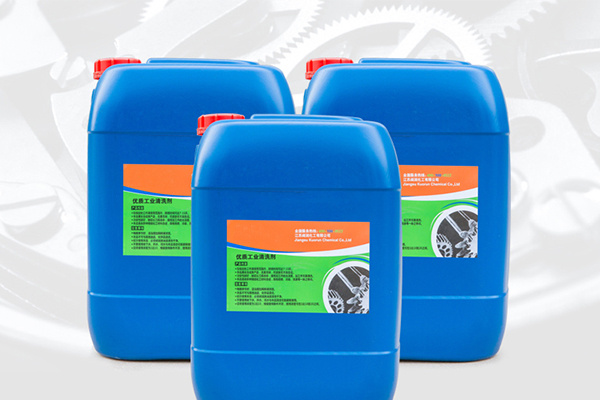
Cleaning Solution
Plain water provides minimal rust removal capability in an ultrasonic cleaner. The cavitation helps, but without chemical assistance, results disappoint. Specialized ultrasonic cleaning solutions designed for rust removal contain chelating agents, surfactants, and mild acids that chemically break down iron oxide while the cavitation provides mechanical action.
Many professionals prefer citric acid solutions for rust removal in ultrasonic cleaners. Mixing two to four tablespoons of citric acid powder per gallon of water creates an effective yet safe cleaning bath. Citric acid chemically converts rust to a water-soluble compound while remaining gentle on the base metal. This solution works well for steel, iron, and most common metals.
Commercial rust removers compatible with ultrasonic cleaners offer convenience and consistent results. Products like Evapo-Rust or Metal Rescue can be diluted according to manufacturer specifications for use in ultrasonic tanks. These formulations balance effectiveness with safety, posing minimal health risks compared to harsh acids. Always verify that any chemical you add to your ultrasonic cleaner is compatible with both the machine and the items being cleaned.
White vinegar, containing acetic acid, provides another accessible option. A 50-50 mixture of white vinegar and water creates a mildly acidic solution suitable for light rust removal. The disadvantage is the strong odor and slower action compared to purpose-made products. For hobbyists working in home workshops, this remains a practical starting point.
Temperature and Time Settings
Heated cleaning solutions dramatically improve rust removal efficiency. Most ultrasonic cleaners with heating capability allow temperature settings between 40 and 65 degrees Celsius. Higher temperatures increase both the chemical reaction rate of rust removers and the intensity of cavitation action. However, temperatures above 70 degrees Celsius can reduce cavitation effectiveness, so staying within the optimal range matters.
For light surface rust, running the ultrasonic cleaner for 10 to 20 minutes at approximately 50 degrees Celsius often suffices. More stubborn rust may require 30 to 45 minutes, or multiple cycles with solution replacement between runs. Monitoring progress by removing and inspecting items every 10 minutes helps prevent over-cleaning and allows you to gauge when optimal results have been achieved.
Longer cleaning times do not always produce better results. Once the ultrasonic action has removed all accessible rust, continued operation simply wastes energy and potentially damages the equipment. Changing the solution when it becomes heavily contaminated with rust particles restores cleaning effectiveness better than extending time in exhausted solution.
Step-by-Step Process
Begin by removing any loose rust, dirt, or grease from items before placing them in the ultrasonic cleaner. A quick brush with a wire brush or wipe with degreaser improves ultrasonic cleaning efficiency by allowing the cavitation to focus on bonded rust rather than surface contamination.
Position items in the cleaning basket so they do not touch each other or the tank walls. Direct contact creates dead zones where cavitation cannot occur. For heavily rusted items, arrange them with the most corroded surfaces facing different directions to ensure even exposure to the cleaning action.
Fill the tank with your chosen cleaning solution to the recommended level, ensuring items are fully submerged. Set the temperature to approximately 50 degrees Celsius and allow the solution to preheat if your unit requires it. Activate the ultrasonic function and let the cycle run for the predetermined time.
After the cleaning cycle completes, remove items and rinse them thoroughly with clean water to halt any chemical action and remove dislodged rust particles. Inspect the results and determine if additional cycles are necessary. Dry items immediately and completely to prevent flash rust from forming on the freshly cleaned surfaces.
Apply a rust preventive coating, oil, or wax immediately after drying. Clean metal is highly reactive and will begin oxidizing within hours of exposure to air. A thin coat of oil, paste wax, or purpose-made corrosion inhibitor protects your restoration work and prevents the rust removal process from needing to be repeated.
Limitations of Ultrasonic Rust Removal
When Ultrasonic Cleaning Falls Short
Structural rust that has compromised the integrity of metal parts cannot be reversed by cleaning. Once corrosion has eaten through significant material, creating weakness or holes, the damage is permanent. Ultrasonic cleaning will remove loose scale and make the extent of damage more visible, but it cannot restore strength or replace lost metal.
Very thick rust layers often require pre-treatment before ultrasonic cleaning becomes effective. Heavy scale may need mechanical removal with wire brushes, sandblasting, or chemical rust dissolvers before the ultrasonic action can reach the base metal. Attempting to remove extremely heavy rust solely with ultrasonic cleaning leads to poor results and wastes time.
Certain metals react poorly to the acidic solutions necessary for effective rust removal. Aluminum, brass, and some alloys can be damaged or discolored by rust removal chemicals. Always test a small, inconspicuous area before committing valuable items to a full ultrasonic rust removal cycle. For mixed-metal assemblies, the chemical that works for the steel components might harm aluminum or zinc parts.
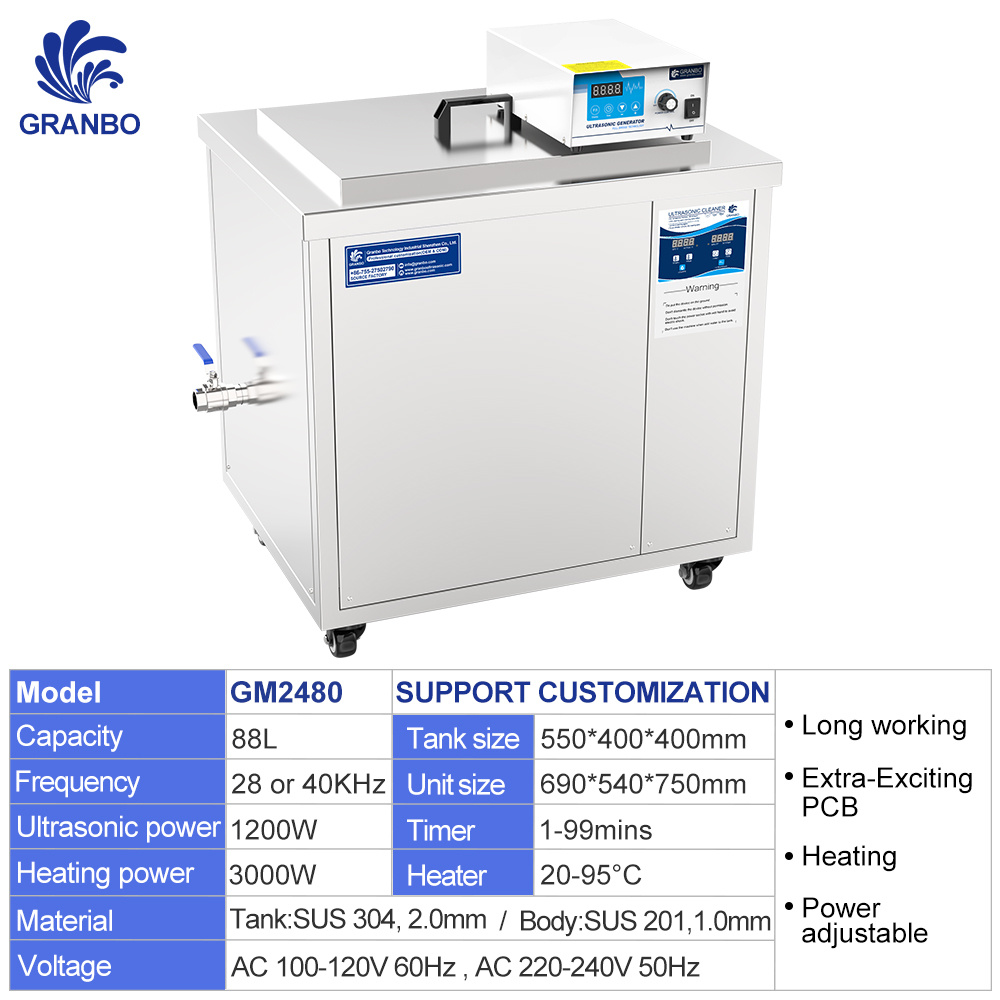
Items too large for the ultrasonic tank obviously cannot benefit from this cleaning method. Most consumer ultrasonic cleaners have tank capacities between 0.6 and 3 liters, limiting treatment to relatively small parts. Industrial units with larger capacities exist but remain beyond the budget of most hobbyists and small shops.
Alternative Methods for Heavy Rust
Electrolytic rust removal offers superior results for heavily corroded items. This process uses electrical current to reverse the oxidation reaction, converting rust back to iron. While requiring more setup than ultrasonic cleaning, electrolysis can address advanced corrosion that ultrasonic cleaners cannot touch.
Mechanical removal through sandblasting, wire wheeling, or grinding removes rust regardless of severity. These methods sacrifice surface finish and dimensional accuracy but work when chemical or ultrasonic methods fail. Professional restoration often combines mechanical pre-treatment with ultrasonic finishing to achieve optimal results.
Chemical rust converters transform rust into a stable compound that can be painted over rather than removing it completely. Products containing tannic acid or phosphoric acid convert iron oxide into iron tannate or iron phosphate, creating a paintable surface. This approach works when rust removal is impractical but stopping further corrosion is essential.
For valuable antiques or historically significant items, conservation specialists may recommend stabilization rather than aggressive cleaning. Removing all rust can sometimes eliminate evidence of age and provenance that collectors value. Professional conservators balance cleaning with preservation of the item’s history and character.
Best Practices and Safety Considerations
Protecting Your Items During Cleaning
Delicate parts with thin walls or fragile components need careful handling during ultrasonic cleaning. The cavitation force, while generally safe, can occasionally damage extremely thin materials or loose attachments. Wrapping fragile items in soft cloth or using lower power settings reduces risk while still providing cleaning benefits.
Testing compatibility between your cleaning solution and the item’s material prevents disasters. Apply a small amount of solution to an inconspicuous area and wait 15 minutes. Check for discoloration, etching, or other adverse reactions before proceeding with full immersion. This simple step saves irreplaceable items from accidental damage.
Avoiding cross-contamination between different metals prevents galvanic reactions. Cleaning dissimilar metals simultaneously in the same solution can create electrochemical reactions that accelerate corrosion rather than removing it. Group similar metals together and clean different types in separate batches.
Maintenance After Rust Removal
Freshly cleaned metal exhibits high reactivity, making post-cleaning protection critical. Within hours of cleaning, oxidation begins again unless protective measures are taken. For tools and functional parts, a light coating of machine oil provides excellent protection. Wipe on a thin layer with a clean cloth, ensuring complete coverage of all cleaned surfaces.
For display items or collectibles, Renaissance Wax or similar museum-grade protective coatings offer long-term protection without the oily appearance or feel. These microcrystalline waxes create a barrier against moisture and oxygen while remaining nearly invisible on the treated surface.
Regular inspection and maintenance prevent rust from returning. Items stored in humid environments, exposed to weather, or handled frequently need periodic cleaning and reapplication of protective coatings. Establishing a maintenance schedule based on environmental conditions extends the results of your restoration work.
Real-World Applications and Results
Tools and Hardware
Mechanics and craftspeople frequently use ultrasonic cleaners to restore rusty hand tools, socket sets, and precision instruments. A rusty wrench or socket that seems destined for disposal often cleans up remarkably well with 20 minutes in an ultrasonic bath with citric acid solution. The threads on rusty bolts clean perfectly, allowing nuts to spin freely again after ultrasonic treatment removes oxidation from the thread valleys.
Vintage tool collectors achieve particularly satisfying results with ultrasonic rust removal. Old hand planes, chisels, and measuring tools often have surface rust that obscures maker’s marks and details. Ultrasonic cleaning reveals these features without the aggressive material removal that sandblasting or grinding would cause. The resulting tools look authentic to their era while being clean enough for display or use.
Automotive Parts
Small automotive components like fuel injectors, carburetors, and brake hardware benefit significantly from ultrasonic rust removal. These parts often have complex internal passages or precision-machined surfaces where manual cleaning is difficult or impossible. The ultrasonic action reaches into every corner, removing rust and deposits that would otherwise interfere with proper function.
Fasteners from automotive restorations present an ideal use case. Original bolts and nuts from classic cars may have surface rust but remain structurally sound. Cleaning them ultrasonically preserves their originality while making them look presentable and function correctly. This matters to restoration purists who value original parts over modern replacements.
Jewelry and Collectibles
Costume jewelry with ferrous components, old keys, badges, and similar collectibles often benefit from ultrasonic rust removal. These items typically have light surface rust that responds well to gentle ultrasonic treatment with mild solutions. The results can transform a neglected piece into an attractive collectible without the wear that mechanical cleaning would cause.
Antique firearms parts require careful consideration. While ultrasonic cleaning can effectively remove rust from small components like screws, trigger assemblies, and other hardware, many collectors prefer to preserve the original patina on antique weapons. The decision to clean should balance improved appearance and function against the loss of historical character.
Coins and medals present a controversial application. While technically effective at removing rust from iron or steel numismatic items, aggressive cleaning can destroy collector value. The numismatic community generally opposes cleaning coins, so ultrasonic rust removal should only be considered for common pieces with no collector premium beyond their base metal value.
Testing ultrasonic rust removal on dozens of items over several months provides practical insight that theoretical knowledge cannot match. Light rust consistently responds well, with success rates above 90 percent for items treated within the first year of rust formation. Older, more established rust shows variable results, with perhaps 60 percent achieving satisfactory improvement. Heavy, pitted corrosion rarely benefits enough to justify the effort, with success rates below 30 percent for structural restoration, though cosmetic improvement occurs more frequently.
The combination of ultrasonic cleaning with subsequent mechanical finishing produces the best overall results for moderately rusted items. Using ultrasonic treatment to remove the bulk of accessible rust, followed by light sanding or wire brushing to address remaining spots, balances efficiency with thoroughness. This hybrid approach leverages the strengths of both methods while minimizing their respective weaknesses.
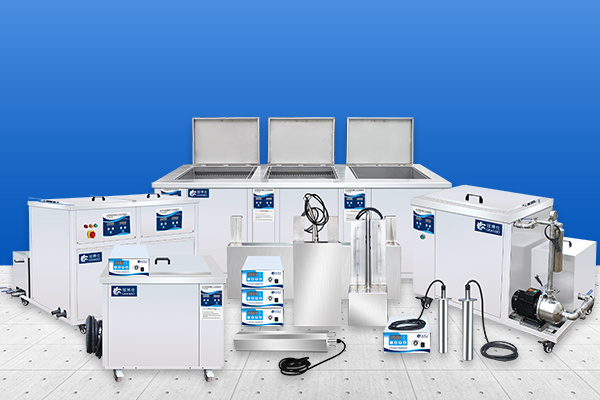
Ultrasonic cleaning machines and equipment