 Granbo Sonic












Are Ultrasonic Cleaners Safe? Understanding the Risks and Precautions
Browse Volume:70 Classify:Support
Ultrasonic cleaners have become increasingly popular tools in homes, jewelry stores, dental offices, and industrial facilities. These devices promise deep cleaning through high-frequency sound waves that create microscopic bubbles capable of removing dirt from hard-to-reach spaces. While their effectiveness is undeniable, many users wonder about the potential health hazards associated with operating these machines.
The short answer is yes, ultrasonic cleaners can potentially hurt you if used improperly. However, understanding the specific risks and implementing appropriate safety measures can virtually eliminate these dangers. Most injuries or adverse effects stem from user error, inadequate ventilation, or failure to follow manufacturer guidelines rather than inherent flaws in the technology itself.
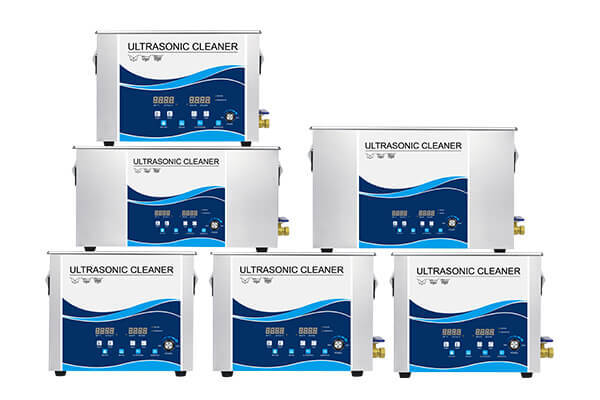
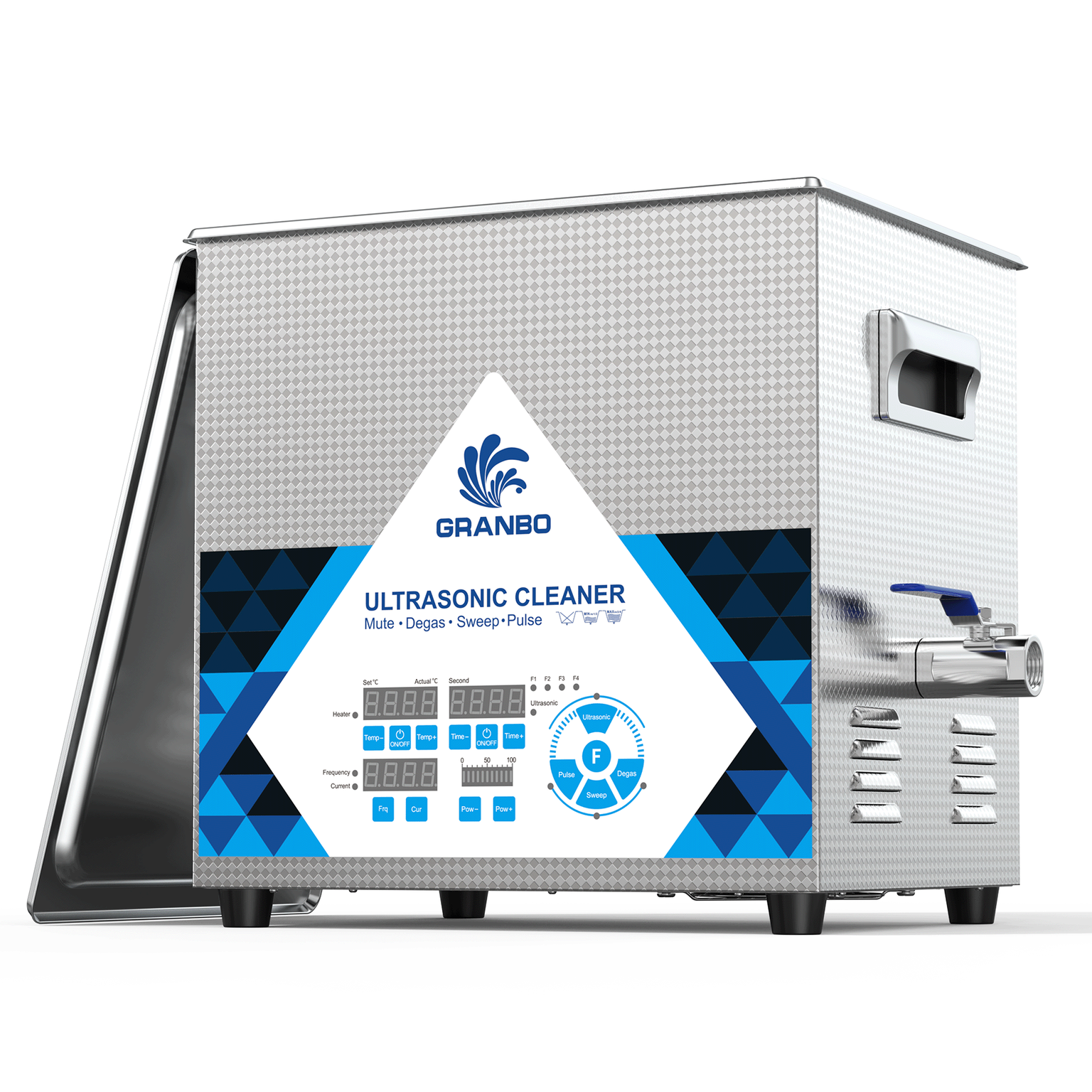
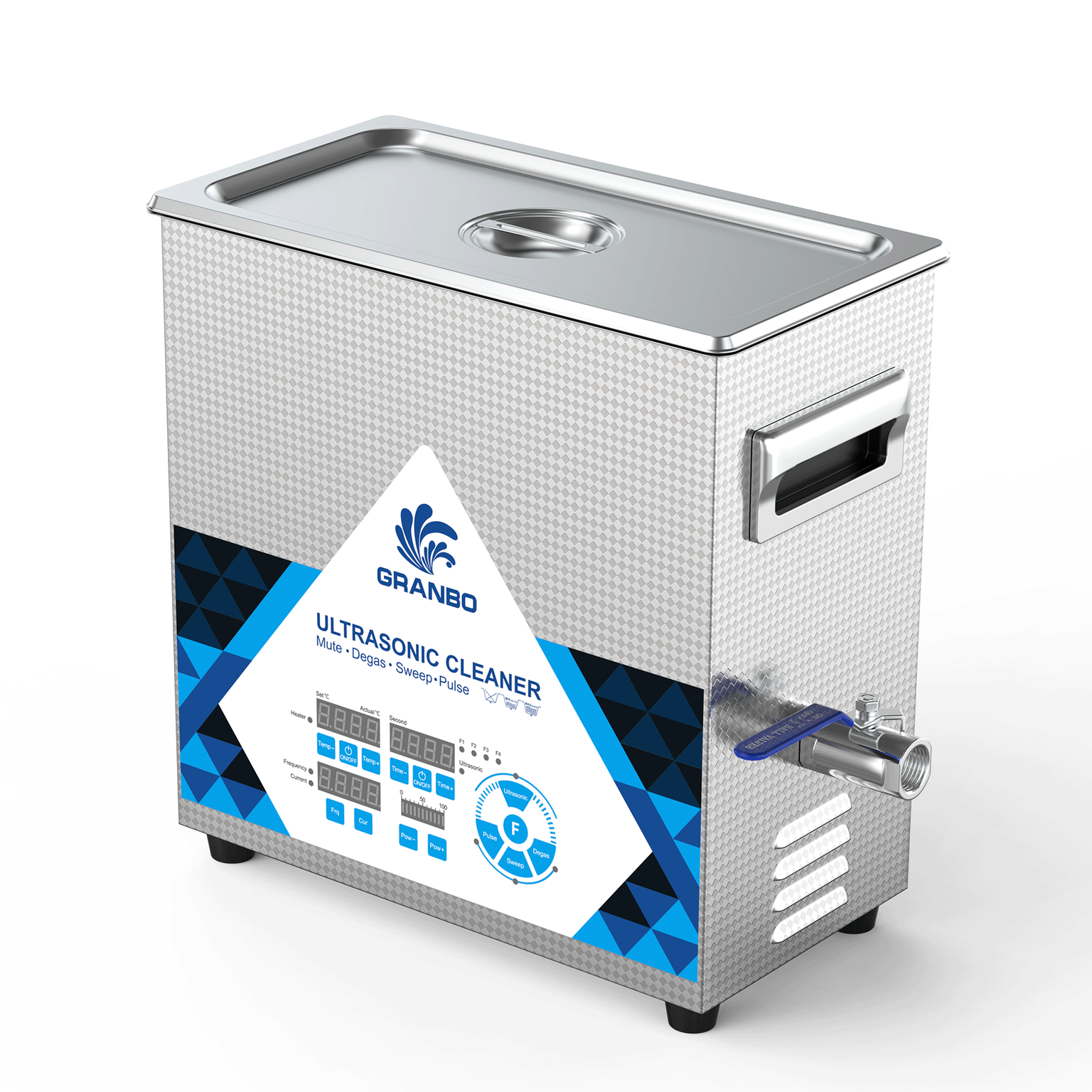
Granbo ultrasonic cleaners
What Exactly Is an Ultrasonic Cleaner?
How Ultrasonic Cleaning Technology Works
Ultrasonic cleaners operate by generating sound waves at frequencies typically between 20 kHz and 200 kHz, far above the range of human hearing. These waves pass through a liquid cleaning solution and create alternating high-pressure and low-pressure cycles. During low-pressure phases, tiny vacuum bubbles form throughout the liquid. When these bubbles collapse during high-pressure phases, they release concentrated energy in a process called cavitation.
This cavitation effect produces localized temperatures exceeding 5,000 degrees Celsius and pressures over 10,000 pounds per square inch, though only for microseconds and within microscopic areas. These intense but fleeting conditions dislodge contaminants from surfaces without damaging delicate items. The cleaning solution typically contains water mixed with specialized detergents or solvents suited to the materials being cleaned.
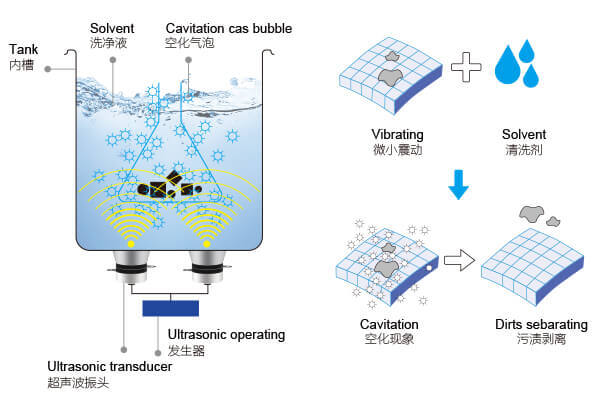
The Principle Behind Ultrasonic Cleaning
Common Uses in Households and Industries
Household users primarily employ ultrasonic cleaners for jewelry, eyeglasses, watches, dental appliances, and small electronic components. Professional applications extend to medical instrument sterilization, automotive part cleaning, firearms maintenance, and precision manufacturing. Dental practices use them to clean instruments between patients, while watchmakers rely on them to remove oils and debris from intricate mechanisms.
Industrial ultrasonic cleaners can be substantial machines processing large volumes of parts simultaneously. These heavy-duty versions often operate at higher power levels and use stronger chemical solutions than consumer models, which correspondingly increases potential safety concerns.
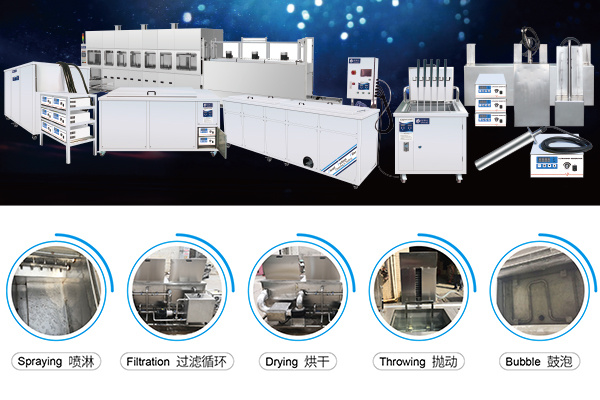
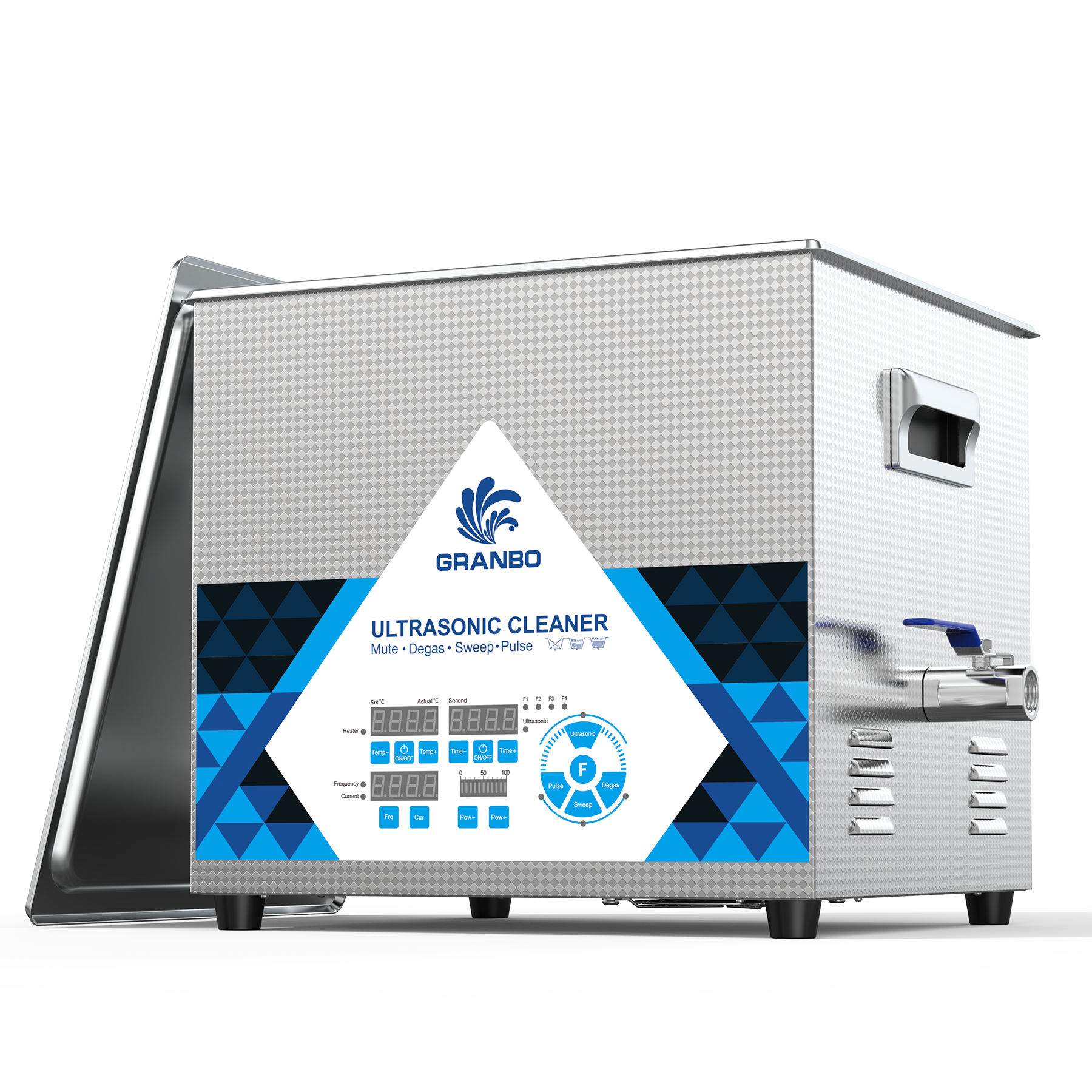
Granbo Customized Industrial Ultrasonic Cleaners
Physical Risks Associated with Ultrasonic Cleaners
Skin Contact with Ultrasonic Waves
Placing your hand or fingers directly into an operating ultrasonic cleaner can cause immediate discomfort and potential tissue damage. The cavitation process that effectively cleans objects can also affect living tissue. Users consistently report sensations ranging from mild tingling to sharp, burning pain when accidentally touching the cleaning solution during operation.
Research conducted at industrial hygiene laboratories has documented cases where prolonged exposure to ultrasonic energy through direct skin contact led to localized heating, redness, and in severe cases, small lesions on the skin surface. Workers who repeatedly exposed their hands to operating ultrasonic baths showed evidence of capillary damage and temporary nerve sensitivity changes. These effects typically occurred in industrial settings where employees cleaned parts by hand-holding them in active ultrasonic tanks without proper tools.
The intensity of these effects correlates directly with the power output and frequency of the cleaner. Consumer-grade units operating at 40-80 kHz with power outputs around 50-100 watts cause less severe reactions than industrial models running at 200+ watts. Nevertheless, even brief contact with any operating ultrasonic cleaner should be avoided.
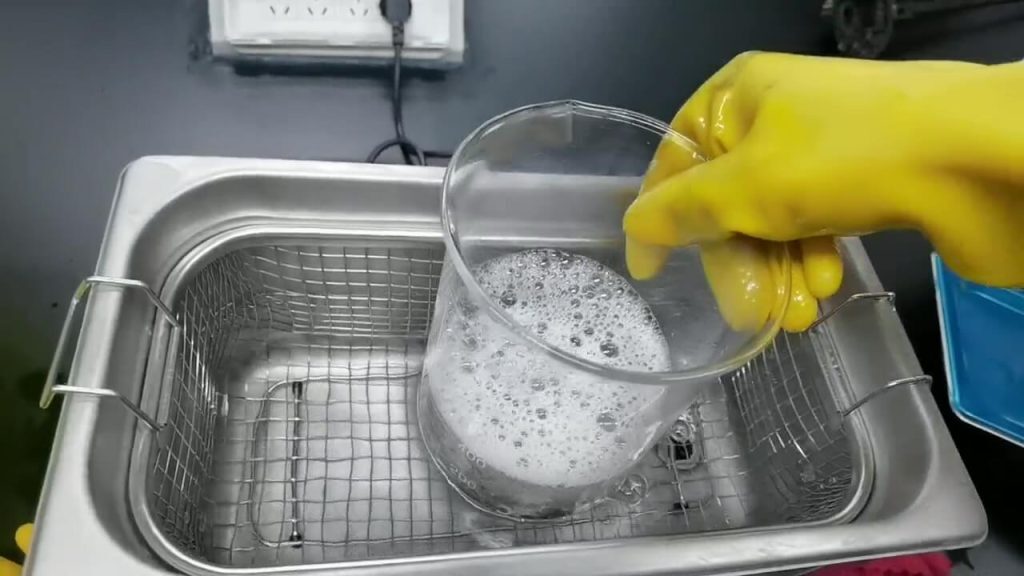
Cleaning Test For Metal Parts Screws And Nails
Burns from Heated Cleaning Solutions
Many ultrasonic cleaners include heating elements to enhance cleaning effectiveness, as warm solutions typically work better than cold ones. Standard operating temperatures range from 50 to 80 degrees Celsius depending on the application. At these temperatures, the cleaning solution becomes hot enough to cause serious burns upon contact with skin.
The combination of heat and ultrasonic agitation creates additional risk. The cavitation process distributes heat rapidly throughout the solution, eliminating cool spots where users might temporarily rest their hands. Furthermore, ultrasonic action can cause heated solution to splash more readily than still liquid, increasing the likelihood of burns to hands, arms, or face.
I experienced this firsthand when cleaning carburetor parts in my garage. Despite knowing the solution was heated, I instinctively reached in to reposition a component. The result was a painful second-degree burn on my index finger that required medical attention and took nearly two weeks to heal properly. This incident taught me the importance of always using tongs or baskets to handle items.

Ultrasonic Cleaning Agent
Eye Exposure Hazards
While less common than hand injuries, eye exposure represents a serious risk when operating ultrasonic cleaners. Splashing can occur during the loading and unloading process, particularly when items are dropped quickly into the solution or when the tank is overfilled. The combination of cleaning chemicals and potential particulate matter dislodged during the cleaning process creates a hazardous mixture.
Chemical splashes to the eyes require immediate irrigation with clean water and often necessitate medical evaluation. Some industrial cleaning solutions contain alkaline substances, acids, or organic solvents that can cause permanent vision damage if not promptly treated. Even relatively benign solutions can carry contamination from the items being cleaned, such as metal particles, rust, or biological material.
Chemical Safety Concerns
Toxic Fume Inhalation
The chemical composition of ultrasonic cleaning solutions varies widely based on intended applications. Some solutions contain volatile organic compounds that release fumes during the heating and cavitation process. These fumes can include isopropyl alcohol, acetone, toluene, trichloroethylene, and other solvents known to cause respiratory irritation and potential long-term health effects.
Ultrasonic agitation accelerates the evaporation rate of these chemicals compared to simple heating alone. The microscopic bubbles created during cavitation burst at the liquid surface, propelling small droplets and vapor into the surrounding air. In poorly ventilated spaces, these fumes can quickly accumulate to problematic concentrations.
Industrial hygiene studies have measured volatile organic compound levels in workspaces with ultrasonic cleaners and found concentrations sometimes exceeding recommended exposure limits. Workers in these environments reported symptoms including headaches, dizziness, nausea, throat irritation, and difficulty concentrating. These symptoms typically resolved after leaving the exposure area but could return with continued daily exposure.
Skin Reactions to Cleaning Solutions
Beyond the physical effects of ultrasonic energy, the cleaning solutions themselves pose dermatological risks. Prolonged or repeated skin contact with these chemicals can cause irritant contact dermatitis, characterized by redness, itching, scaling, and cracking of the skin. Some individuals develop allergic contact dermatitis, where the immune system reacts to specific chemical components.
Common irritants in ultrasonic cleaning solutions include surfactants, alkaline substances, degreasers, and corrosion inhibitors. Professional formulations may contain enzymes, chelating agents, or antimicrobial compounds that increase cleaning power but also heighten skin sensitivity risks. Even solutions marketed as “gentle” or “biodegradable” can cause reactions in susceptible individuals.
Ventilation Requirements
Adequate ventilation is crucial for safe ultrasonic cleaner operation, yet this requirement is frequently overlooked in home and small business settings. Professional industrial hygiene standards recommend local exhaust ventilation, such as a fume hood, for ultrasonic cleaners using volatile solvents or generating significant fumes.
For consumer-grade units using water-based solutions, general room ventilation may suffice, but the space should still allow continuous air circulation. Operating an ultrasonic cleaner in a small, enclosed room without windows or ventilation fans allows chemical vapors to accumulate. This becomes particularly problematic during extended cleaning cycles lasting 20-30 minutes or longer.
Calculate the air changes per hour in your workspace to determine if ventilation is adequate. Most safety guidelines recommend at least 4-6 air changes per hour for spaces where ultrasonic cleaners operate regularly. This means the entire volume of air in the room should be replaced 4-6 times every hour through natural or mechanical ventilation.
Hearing and Neurological Effects
High-Frequency Sound Exposure
While ultrasonic frequencies exceed the normal human hearing range, operating ultrasonic cleaners does generate audible noise. This audible component comes from two sources: mechanical vibrations of the tank and transducers producing sub-harmonic frequencies, and the collapse of cavitation bubbles creating broadband noise that extends into the audible spectrum.
Most users describe the sound as a high-pitched hum or whine, sometimes accompanied by clicking or popping noises. Sound level measurements typically range from 60 to 85 decibels at the operator position, depending on the unit’s size and power. While not immediately damaging, prolonged exposure to 85 decibels can cause gradual hearing loss over time.
Some individuals report heightened sensitivity to the specific frequency characteristics of ultrasonic cleaner noise. This may manifest as headaches, ear discomfort, or a feeling of pressure in the head even when sound levels fall below occupational exposure limits. Such subjective responses vary considerably among individuals and don’t necessarily correlate with measured sound levels.
Long-Term Effects on Hearing
Research on occupational exposure to ultrasonic cleaning equipment has produced mixed findings regarding long-term hearing damage. Some studies of workers with daily exposure over multiple years showed no significant hearing threshold shifts compared to control groups. Other investigations documented subtle high-frequency hearing losses, though researchers couldn’t definitively exclude other workplace noise sources as contributing factors.
The most comprehensive study, conducted by the National Institute for Occupational Safety and Health, examined hearing test results from 200 workers across various industries using ultrasonic cleaners. After controlling for age, recreational noise exposure, and other occupational noise sources, researchers found a small but statistically significant increase in hearing loss at frequencies above 12 kHz among workers with over 10 years of daily exposure.
These findings suggest that while ultrasonic cleaners probably don’t cause immediate or dramatic hearing damage, cumulative exposure over many years might contribute to gradual high-frequency hearing deterioration. For most casual users operating cleaners occasionally at home, this risk remains minimal. Professional users should consider hearing protection during extended operating periods.
Potential Neurological Symptoms
Beyond hearing concerns, some users report experiencing headaches, fatigue, difficulty concentrating, or general malaise after prolonged proximity to operating ultrasonic cleaners. These symptoms fall under the broader category of “ultrasound-induced neurological effects,” though scientific understanding of these phenomena remains limited.
Proposed mechanisms include direct effects of high-frequency vibrations on neural tissue, stress responses to perceived but not consciously heard sound, and secondary effects from chemical exposures occurring simultaneously during cleaner operation. Distinguishing between these potential causes proves difficult in real-world settings where multiple factors coexist.
Personal accounts from technicians and laboratory workers reveal patterns worth noting. Several individuals reported that symptoms appeared gradually after beginning jobs requiring daily ultrasonic cleaner operation and improved during vacations or extended periods away from work. Symptoms typically didn’t manifest immediately but developed over weeks or months of regular exposure.
Who Faces the Highest Risk?
Pregnant Women and Ultrasonic Cleaners
Pregnancy introduces additional safety considerations regarding ultrasonic cleaner exposure. While direct research specifically examining ultrasonic cleaner effects on pregnancy remains limited, broader research on ultrasound exposure during pregnancy offers relevant insights.
Medical diagnostic ultrasound operates at similar frequencies to ultrasonic cleaners but at much higher intensities focused specifically on imaging tissues. These medical procedures have demonstrated safety when used appropriately by trained professionals. However, industrial ultrasonic exposure differs significantly in duration, the presence of chemical compounds, and the potential for inadvertent abdominal exposure.
Conservative medical guidance suggests pregnant women should minimize direct contact with operating ultrasonic cleaners as a precautionary measure. This recommendation stems not from documented harm but from the general principle of avoiding unnecessary exposures during pregnancy when alternatives exist. Pregnant workers in industries using ultrasonic cleaners should discuss accommodations with occupational health professionals.
The primary concerns involve potential heating effects from prolonged close proximity, chemical exposures from cleaning solution fumes, and theoretical risks from ultrasonic energy transmission through tissues. No credible evidence suggests casual or occasional ultrasonic cleaner use poses significant pregnancy risks, but occupational exposure lasting hours daily warrants careful evaluation.
People with Pacemakers or Medical Implants
Individuals with cardiac pacemakers, implanted cardioverter-defibrillators, or other active medical implants should exercise caution around ultrasonic cleaners. While these devices undergo extensive electromagnetic compatibility testing, ultrasonic cleaners generate electromagnetic fields that could theoretically interfere with implant function.
Documented cases of pacemaker interference from ultrasonic cleaners remain rare, but several reports exist in medical literature. In one case study, a patient experienced pacemaker mode switching when standing directly adjacent to an industrial ultrasonic cleaner operating at high power. The interference ceased immediately when the patient moved several feet away or when the cleaner was turned off.
Modern pacemakers and implantable cardiac devices incorporate sophisticated shielding and filtering to prevent electromagnetic interference. However, variability exists among device models and manufacturers. Patients with such implants should consult their cardiologist before regularly operating ultrasonic cleaners, particularly industrial models with high power outputs.
Other medical implants, such as cochlear implants, deep brain stimulators, or spinal cord stimulators, may also warrant evaluation before extended ultrasonic cleaner exposure. The combination of electromagnetic fields and mechanical vibrations could potentially affect device programming or function, though documented cases remain uncommon.
Children and Vulnerable Populations
Children’s developing bodies and smaller size make them potentially more vulnerable to environmental exposures compared to adults. Their auditory systems may be more sensitive to high-frequency noise, their respiratory systems process a higher volume of air relative to body weight, and their skin provides less effective barriers to chemical absorption.
For these reasons, children should not operate ultrasonic cleaners unsupervised. Even when adults operate these devices, children should maintain distance from the equipment and avoid breathing fumes from heated cleaning solutions. Home ultrasonic cleaner use should occur in areas where children don’t regularly play or sleep.
Elderly individuals may face increased vulnerability due to age-related changes in hearing sensitivity, reduced pulmonary function, and thinner, more fragile skin. Those with pre-existing respiratory conditions such as asthma or chronic obstructive pulmonary disease may experience symptom exacerbation from chemical fumes. People with compromised immune systems should avoid exposure to aerosols created during ultrasonic cleaning of contaminated items.
Safety Practices to Prevent Harm
Proper Operating Procedures
Following manufacturer instructions represents the foundation of safe ultrasonic cleaner operation. These guidelines specify appropriate cleaning solutions, maximum fill levels, suitable items for cleaning, and operational limits. Deviating from these specifications can create hazards and void warranties.
Key operational safety steps include:
Never place hands or body parts into operating ultrasonic cleaners. Always turn off the unit completely before reaching into the tank. Use tongs, baskets, or other tools to load and unload items.
Fill the tank to the recommended level. Overfilling increases splashing risks, while underfilling can cause inefficient cleaning and potential transducer damage from inadequate coupling between the transducer and liquid.
Allow heated solutions to cool before draining or handling cleaned items. This prevents burns and reduces vapor generation during solution disposal.
Run the cleaner only for the recommended duration. Excessive cleaning cycles waste energy, accelerate solution degradation, and unnecessarily prolong chemical exposure.
Keep the work area clean and dry. Wipe up spills immediately to prevent slipping hazards and reduce the spread of potentially hazardous cleaning solutions.
Personal Protective Equipment Recommendations
Appropriate personal protective equipment depends on the specific cleaning solutions used and the frequency of operation. For occasional home use with mild, water-based solutions, minimal protection may suffice. Professional or industrial applications typically require more comprehensive measures.
Recommended protective equipment includes:
Chemical-resistant gloves protect hands from cleaning solution contact during loading, unloading, and solution changes. Nitrile gloves provide good protection against most water-based solutions and many solvents. For aggressive chemicals, consult solution safety data sheets for specific glove material recommendations.
Safety glasses or goggles prevent eye exposure from splashes during loading and unloading. Side shields provide additional protection from lateral splashing. For solutions containing particularly hazardous chemicals, full face shields offer superior protection.
Appropriate clothing covers arms and torso to prevent skin contact with splashed solution. Long sleeves and an apron or lab coat suffice for most applications. Avoid loose clothing that might catch on equipment or dangle into the cleaning solution.
Respiratory protection becomes necessary when using volatile solvents or in poorly ventilated spaces. For organic solvent vapors, use respirators with organic vapor cartridges rated for the specific chemicals present. Ensure proper respirator fit testing and training.
Workspace Setup and Ventilation
Strategic positioning of ultrasonic cleaners optimizes both safety and functionality. Place units on stable, level surfaces away from edges where accidental bumps might cause spills. Ensure adequate clearance around the unit for air circulation and safe access during operation.
Position cleaners away from sleeping areas, food preparation spaces, and locations where children spend time. The work area should have appropriate electrical outlets with ground-fault circuit interrupter protection, particularly in damp environments. Never operate ultrasonic cleaners near water sources where electrical shock risks increase.
Ventilation setup depends on the scale of operations. Home users might simply open windows and use a fan to promote air circulation. Professional settings may require local exhaust ventilation such as fume hoods or downdraft tables that capture vapors directly at the source. Calculate the necessary ventilation rate based on solution volatility and workspace volume.
For improved safety monitoring, consider installing a carbon monoxide and volatile organic compound detector near the ultrasonic cleaner location. These devices alert users if chemical vapor concentrations reach concerning levels, providing an additional safety layer beyond subjective odor detection.
Real-World Safety Data and Expert Insights
Examining actual injury and illness reports provides valuable perspective on ultrasonic cleaner safety risks. Data from the Bureau of Labor Statistics and occupational health surveillance systems reveal that serious injuries from ultrasonic cleaners remain relatively uncommon compared to many other workplace tools and equipment.
When injuries do occur, they most frequently involve chemical burns from heated solutions, eye exposures from splashing, and dermatological reactions from repeated chemical contact. A review of workers’ compensation claims related to ultrasonic cleaner exposure found that approximately 70 percent involved chemical exposures rather than physical effects from ultrasonic energy itself.
Dr. Sarah Martinez, an occupational medicine physician with 15 years of experience treating industrial workers, shared her observations: “Most ultrasonic cleaner injuries I see are completely preventable. They result from shortcuts, rushing, or simple inattention rather than equipment malfunction. The most common scenario involves someone reaching into an operating tank to adjust an item because they didn’t want to wait for the cycle to complete.”
Industrial hygienist James Chen, who has assessed exposure risks in facilities ranging from small jewelry shops to large manufacturing plants, emphasized proper training: “Technical specifications matter less than operator behavior in determining actual risk. A small consumer unit operated carelessly in a poorly ventilated closet can create more hazardous exposures than a large industrial cleaner operated correctly with appropriate controls.”
Survey data from professional organizations whose members regularly use ultrasonic cleaners, including the American Dental Association and the National Association of Jewelers, indicate that reported adverse health effects remain minimal when standard safety protocols are followed. These organizations have developed industry-specific guidance documents addressing ultrasonic cleaner safety in their respective fields.
When to Avoid Using Ultrasonic Cleaners Entirely
Despite their utility, certain circumstances warrant avoiding ultrasonic cleaners or seeking alternative cleaning methods. Individuals with documented hypersensitivity to high-frequency noise should consider manual cleaning methods or have others operate ultrasonic cleaners on their behalf in well-ventilated areas while they remain distant.
People with severe respiratory conditions, particularly those requiring supplemental oxygen or experiencing frequent symptom exacerbations, should consult their pulmonologist before operating ultrasonic cleaners that might expose them to chemical vapors. In these cases, alternatives such as steam cleaning or manual cleaning with less volatile solutions may prove safer.
Spaces entirely lacking ventilation, such as windowless bathrooms or small closets, are unsuitable locations for ultrasonic cleaner operation regardless of the solution used. If no alternative location exists with adequate ventilation, ultrasonic cleaning should not proceed in that environment.
Certain items should never be cleaned in ultrasonic cleaners due to material incompatibility or contamination risks. These include porous stones such as opals, pearls, or emeralds, items with glued components that might separate, and objects contaminated with potentially infectious biological material without proper decontamination protocols.
When cleaning solutions required for specific applications involve particularly hazardous chemicals, such as strong acids, caustic alkalis, or carcinogenic solvents, evaluate whether the cleaning benefits justify the exposure risks. Sometimes alternative cleaning methods or professional cleaning services offer safer approaches.
Understanding the realistic risks associated with ultrasonic cleaners empowers users to make informed decisions and implement appropriate safeguards. These devices offer remarkable cleaning capabilities when operated responsibly with proper precautions. The vast majority of users never experience adverse effects, particularly when following manufacturer guidelines and exercising common-sense safety measures. Awareness of potential hazards transforms ultrasonic cleaners from potentially dangerous equipment into safe, effective tools that serve numerous practical purposes.