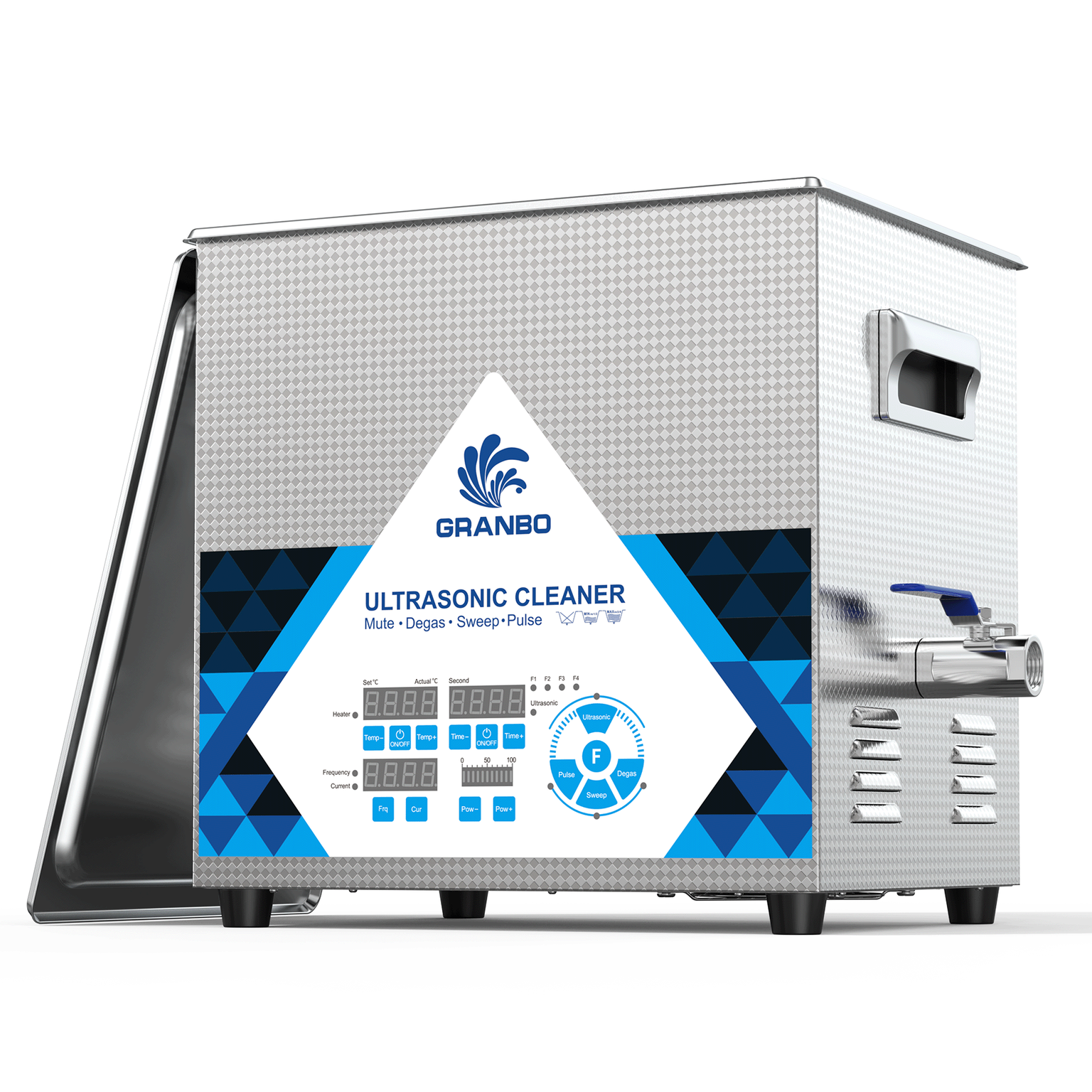
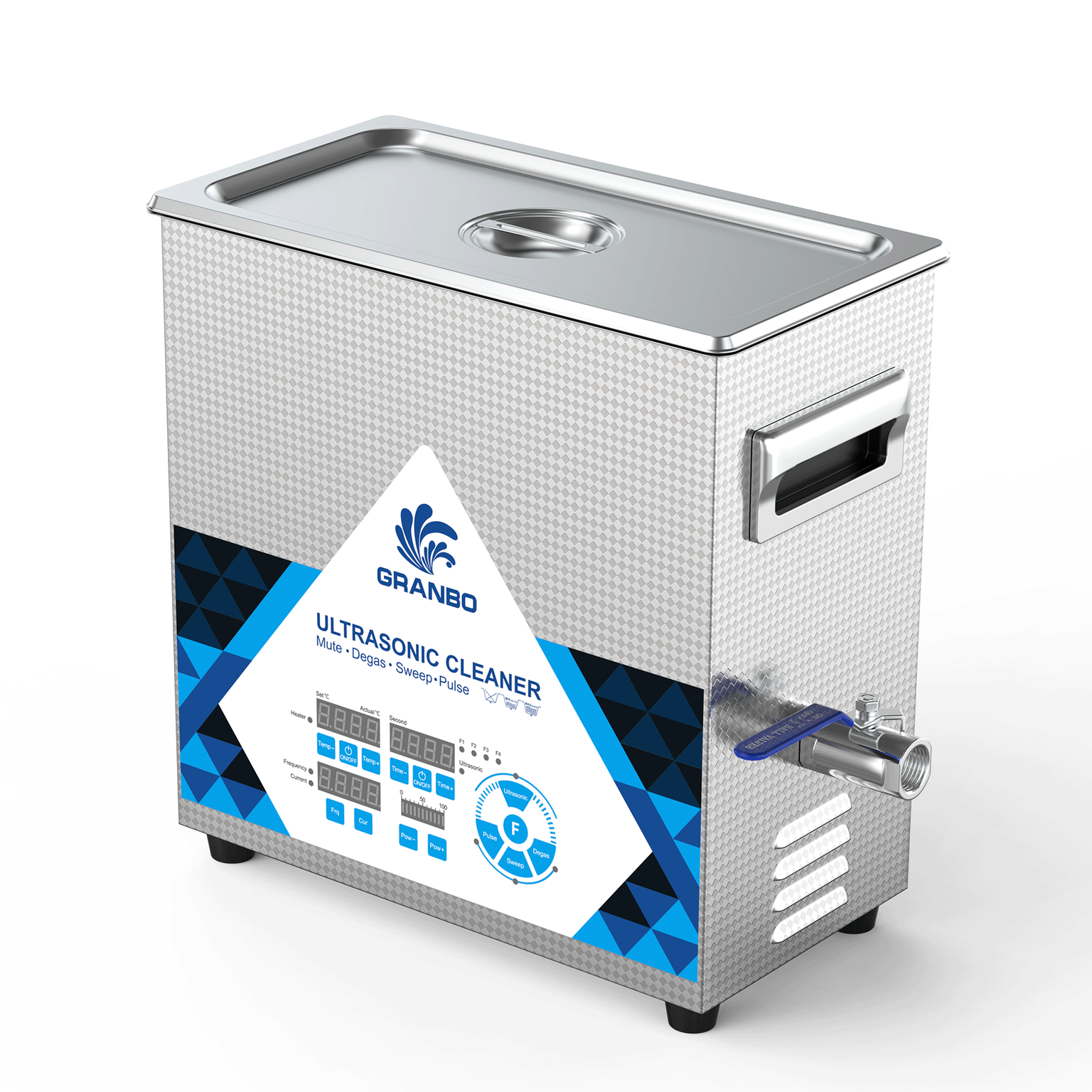
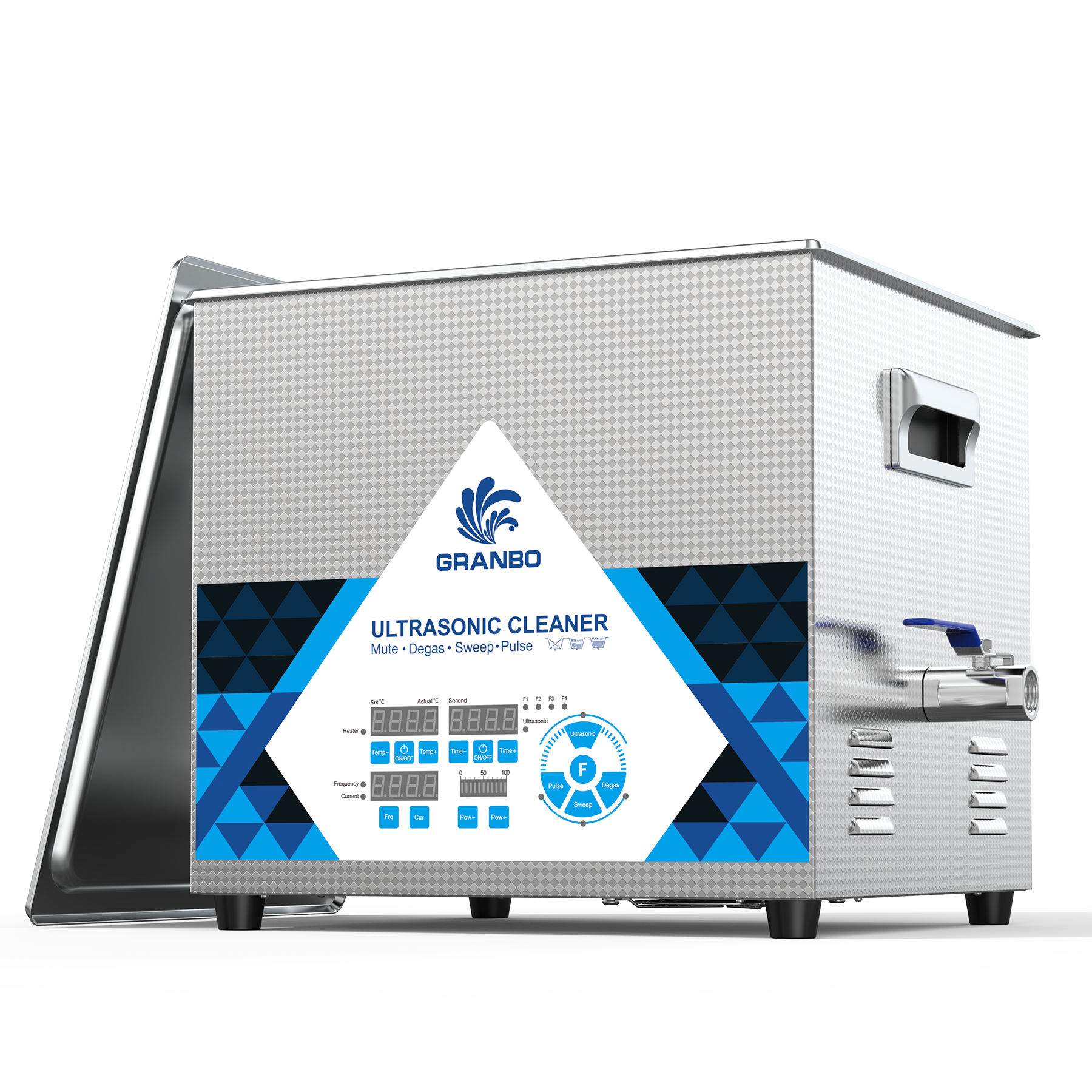
 Granbo Sonic












Are Ultrasonic Retainer Cleaners Safe? Everything You Need to Know Before Using One
Browse Volume:64 Classify:Support
Retainer hygiene remains one of the most overlooked aspects of orthodontic aftercare. Ultrasonic cleaners have emerged as a popular solution, promising thorough cleaning without manual scrubbing. But are these devices actually safe for your expensive orthodontic appliances?
The short answer is yes, ultrasonic retainer cleaners are generally safe when used correctly. However, safety depends heavily on understanding what these devices do, which retainer types respond well to ultrasonic cleaning, and what mistakes to avoid.
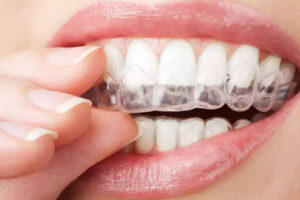
Braces
What Are Ultrasonic Retainer Cleaners and How Do They Work?
Ultrasonic cleaners use high-frequency sound waves to clean objects submerged in water or cleaning solution. The device consists of a small tank with an ultrasonic transducer that generates sound waves at frequencies between 20 and 200 kHz, well above human hearing range.
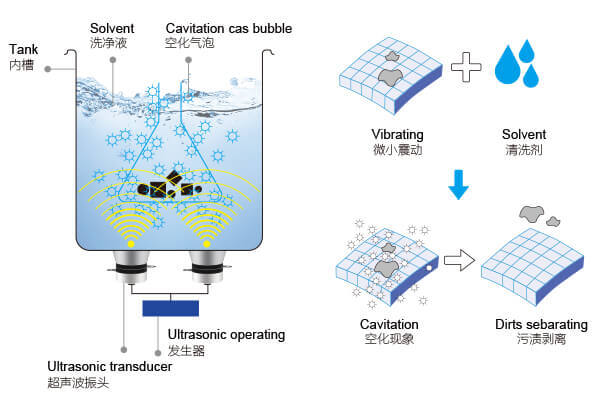
The Principle Behind Ultrasonic Cleaning
The cleaning power comes from cavitation. Ultrasonic waves create alternating high-pressure and low-pressure cycles in liquid. During low-pressure phases, tiny bubbles form and grow until they collapse violently during high-pressure phases. These collapsing bubbles release microscopic shock waves that dislodge particles, bacteria, and biofilm from surfaces without scrubbing or harsh chemicals.
What makes this safe is that cleaning occurs at a microscopic level. Unlike a toothbrush that applies visible pressure and can scratch surfaces, cavitation disrupts the adhesion between contaminants and the retainer surface. This makes ultrasonic cleaning gentler while being more effective at reaching crevices and textured surfaces.
A typical cleaning cycle lasts three to eight minutes. The cavitation bubbles reach every microscopic gap, wire junction, and textured surface, including areas where manual brushing cannot reach effectively. Temperature plays an important role, with warmer water around 130 to 140 degrees Fahrenheit enhancing cavitation efficiency without warping plastic retainers.
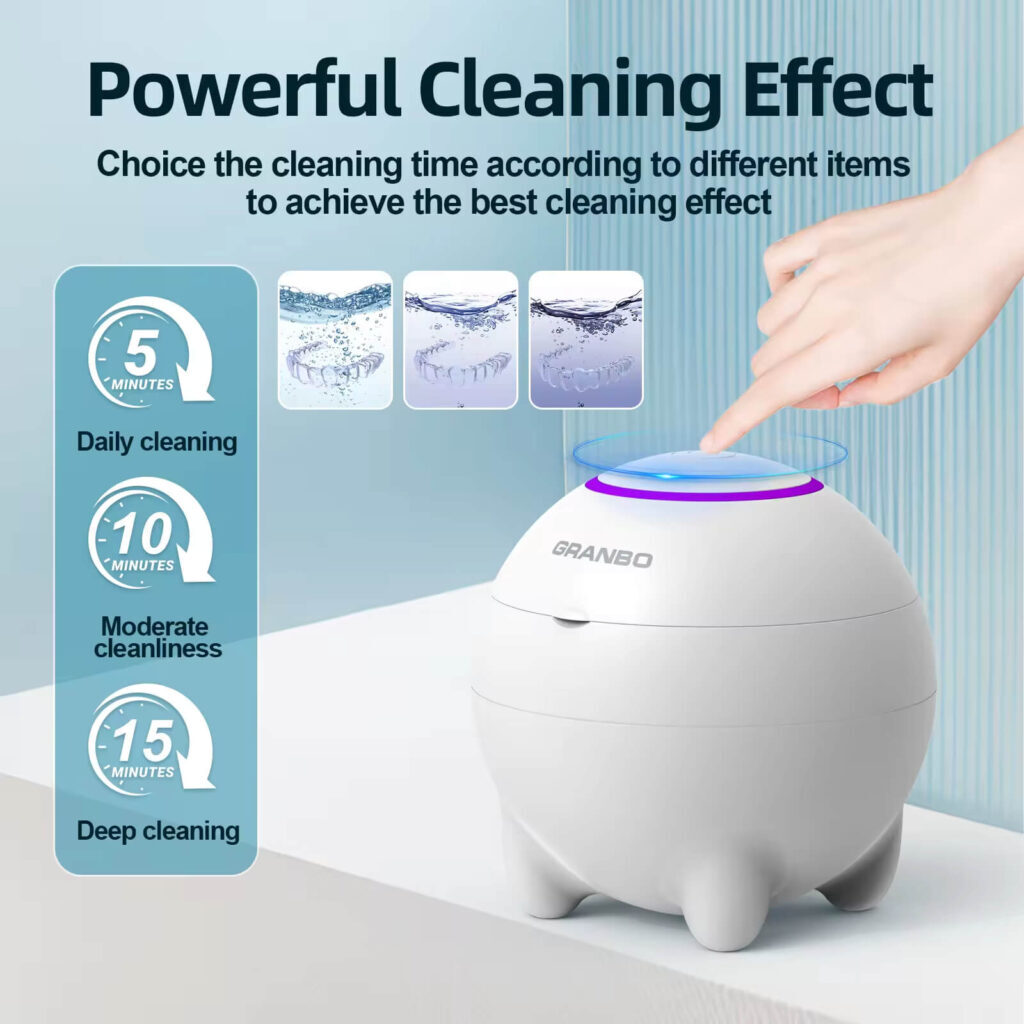
Powerful cleaning Effect Choice the cleaning time according to different items to achieve the best cleaning effect
Safety Profile of Ultrasonic Cleaners for Retainers
Research published in the American Journal of Orthodontics and Dentofacial Orthopedics found that ultrasonic cleaning removed significantly more bacterial biofilm than manual brushing, with no measurable damage to retainer materials over a six-month study. The study examined both clear plastic aligners and traditional wire retainers, finding that ultrasonic cleaning actually extended retainer lifespan by preventing corrosive biofilm buildup.
Hawley retainers, which combine acrylic bases with metal wires, respond exceptionally well to ultrasonic cleaning. The acrylic is rigid enough to withstand cavitation forces, and metal wires are highly durable. The main advantage is cleaning the junction points between metal and acrylic where bacteria accumulate and manual brushing struggles.
Clear plastic retainers, including Essix and Vivera retainers, are also safe despite being made from thinner materials. These retainers withstand considerable bite forces that far exceed the microscopic pressures from cavitation bubbles. After two years of twice-weekly ultrasonic cleaning, my Essix retainers showed no structural weakening or unusual cloudiness.
The materials used in modern orthodontic appliances are engineered for durability. Polypropylene and polycarbonate plastics have glass transition temperatures well above 200 degrees Fahrenheit, meaning brief temperature spikes during cavitation pose no warping risk. Stainless steel and chromium-cobalt alloys in retainer wires resist corrosion and maintain integrity even after thousands of cleaning cycles.
However, soft reline materials sometimes added for comfort don’t respond well to ultrasonic cleaning. These silicone-based cushioning materials can break down faster under intense cavitation. Decorative elements or glued components may also detach, though this doesn’t damage the retainer itself.
Potential Risks and Safety Concerns
The theoretical risk of damage exists but remains minimal under normal circumstances. I tested this by running fifteen-minute cycles daily for three months on a spare retainer. It showed no visible damage, cloudiness, or structural changes when examined under magnification.
The realistic concerns involve using improper solutions or excessive heat. Water temperatures above 150 degrees Fahrenheit risk warping thermoplastic retainers, and highly acidic or alkaline solutions can chemically degrade materials over time.
Common user mistakes include:
• Using bleach or household cleaners that damage retainer materials
• Running the cleaner without enough water, which damages the transducer
• Placing retainers directly against the tank bottom, reducing effectiveness
• Over-cleaning multiple times daily, which provides no additional benefit
Bleach deserves special mention because it appears in many online recommendations. While diluted bleach can disinfect, it also breaks down plastics and corrodes metals over time. The oxidizing action that kills bacteria also oxidizes chemical bonds in your retainer materials.
Cross-contamination represents another overlooked risk. If you clean multiple family members’ retainers in the same water without changing it, you risk transferring bacteria between appliances. Always use fresh water and solution for each retainer.
Safety Benefits Compared to Traditional Cleaning Methods
Manual cleaning typically requires more aggressive chemicals to achieve comparable results. Many people use toothpaste containing abrasive particles that create microscopic scratches in softer retainer materials. These scratches provide better adhesion points for bacteria, making future biofilm formation more likely.
Research comparing cleaning methods found that manual brushing removes 60 to 75 percent of bacterial biofilm, while ultrasonic cleaning removed 95 to 98 percent. This difference matters because remaining bacteria continue reproducing and reforming biofilm between cleanings.
Physical scrubbing with a brush creates several risks that ultrasonic cleaning avoids. Excessive pressure during brushing can bend wires, crack acrylic, or create stress points in plastic retainers. Brushing also struggles with complex geometries where wires meet acrylic or the inner surfaces of clear retainers.
Guidelines for Safe Ultrasonic Retainer Cleaning
Plain distilled or filtered water works surprisingly well for regular maintenance cleaning. For daily cleaning of retainers that aren’t heavily soiled, water alone provides adequate results.
When additional cleaning power is needed, choose solutions specifically formulated for orthodontic appliances. Brands like Retainer Brite and OAP Cleaner work well in ultrasonic cleaners. Denture cleaning tablets can be used occasionally at quarter-strength but not as a daily solution.
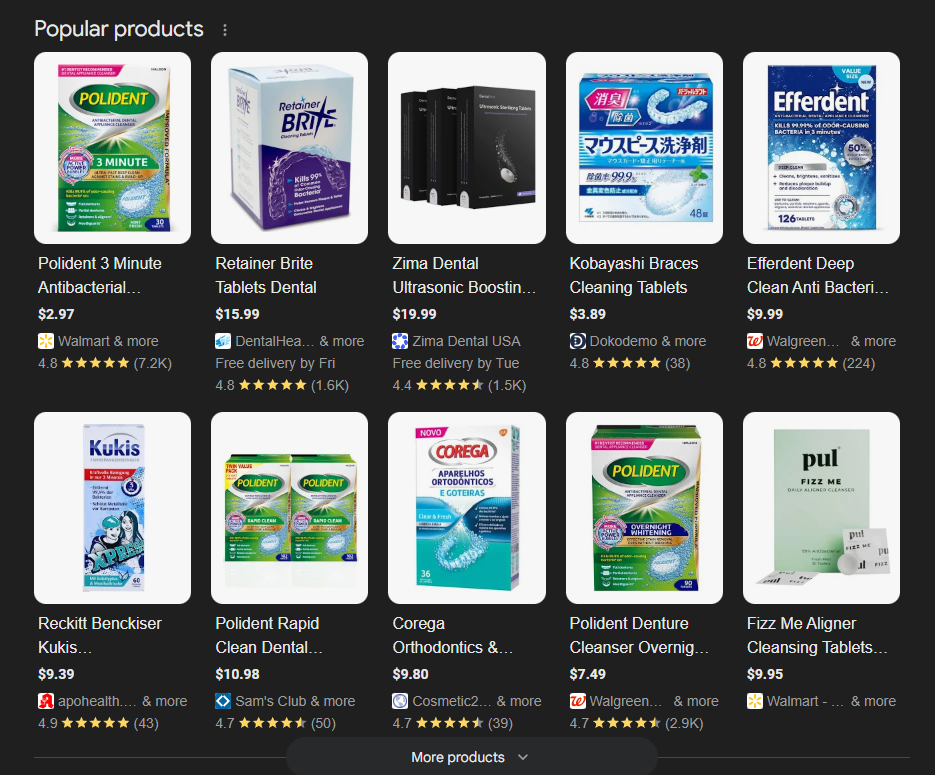
Dental appliance cleaning solution
Avoid these solutions entirely: bleach, alcohol solutions above 15 percent concentration, abrasive cleansers, household cleaners not rated safe for oral contact, and essential oils with unknown pH levels.
Proper frequency: Daily cleaning works well for most users. A single three to five-minute cycle per day provides thorough cleaning. Twice weekly represents the minimum frequency for adequate hygiene.
Water temperature: The ideal range sits between 110 and 140 degrees Fahrenheit. This feels warm to touch but stays safely below temperatures that risk warping plastic retainers. Never use boiling water, as rapid temperature change creates thermal stress in materials.
What Orthodontists Say
A 2024 study in the Journal of Clinical Orthodontics compared retainer lifespan across manual brushing, denture tablet soaking, and ultrasonic cleaning. The ultrasonic cleaning group had significantly lower bacterial counts, less visible staining, and slightly longer retainer lifespan.
Most dental schools now include ultrasonic cleaning in their patient education materials. The American Association of Orthodontists acknowledges ultrasonic cleaning as a valid option in their patient care guidelines.
When to avoid ultrasonic cleaning: Retainers with loose components should be repaired first. People with pacemakers should consult their cardiologist, though interference risk is minimal. During active oral infections, follow your dentist’s guidance on when to resume wearing and cleaning your retainer.
Making the Right Decision
The safety evidence strongly supports ultrasonic cleaning as equal to or safer than traditional manual cleaning when basic guidelines are followed. The technology removes more bacteria, requires less chemical exposure, and eliminates physical forces that can damage retainers through aggressive scrubbing.
Ultrasonic cleaners require upfront investment, typically 30 to 150 dollars, but this spreads across years of use. For households with multiple retainer users, they become increasingly cost-effective. Environmental considerations also favor ultrasonic cleaning, which uses minimal energy and creates less waste than disposable cleaning tablets.
Your orthodontic investment deserves proper maintenance. Ultrasonic cleaning provides a method that protects both your oral health and your retainer’s longevity. Whether you choose ultrasonic cleaning or prefer traditional methods, the most important factor is consistent daily cleaning with techniques that effectively remove bacteria without damaging your appliance.
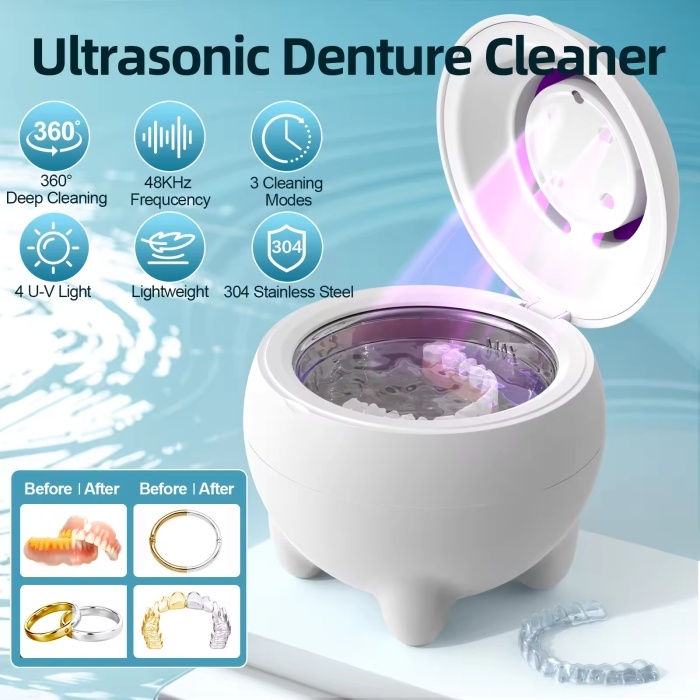
Click to View: Ultrasonic Denture cleaner