 Granbo Sonic








Dish Soap in Ultrasonic Cleaners: Technical Compatibility Analysis
Browse Volume:8 Classify:Support
Ultrasonic cleaning technology relies on precise interaction between sound waves, cleaning solution, and contaminated surfaces to achieve effective results. The question of whether dish soap can substitute for specialized ultrasonic cleaning solutions arises frequently among equipment users seeking cost-effective alternatives. While dish soap contains surfactants that provide cleaning action, its formulation differs substantially from solutions engineered specifically for ultrasonic applications. Understanding these differences helps determine when dish soap represents a viable option and when it introduces operational complications or equipment risks.
Understanding Ultrasonic Cleaner Solution Requirements
Ultrasonic cleaning systems generate microscopic cavitation bubbles through high-frequency sound waves propagating through liquid media. The formation, growth, and implosive collapse of these bubbles create the mechanical cleaning forces that dislodge contaminants from surfaces. The cleaning solution serves multiple functions beyond simply dissolving dirt—it must support efficient cavitation formation, transmit acoustic energy effectively, and provide chemical cleaning action that complements mechanical effects.
How Cleaning Solutions Interact with Ultrasonic Waves
The physical properties of cleaning solutions directly influence cavitation intensity and distribution throughout the ultrasonic tank. Surface tension, viscosity, vapor pressure, and dissolved gas content all affect bubble nucleation and collapse dynamics. Solutions with excessively high surface tension resist bubble formation, reducing cavitation intensity and cleaning effectiveness. Conversely, solutions with very low surface tension may produce excessive cavitation that causes solution splashing or equipment noise.
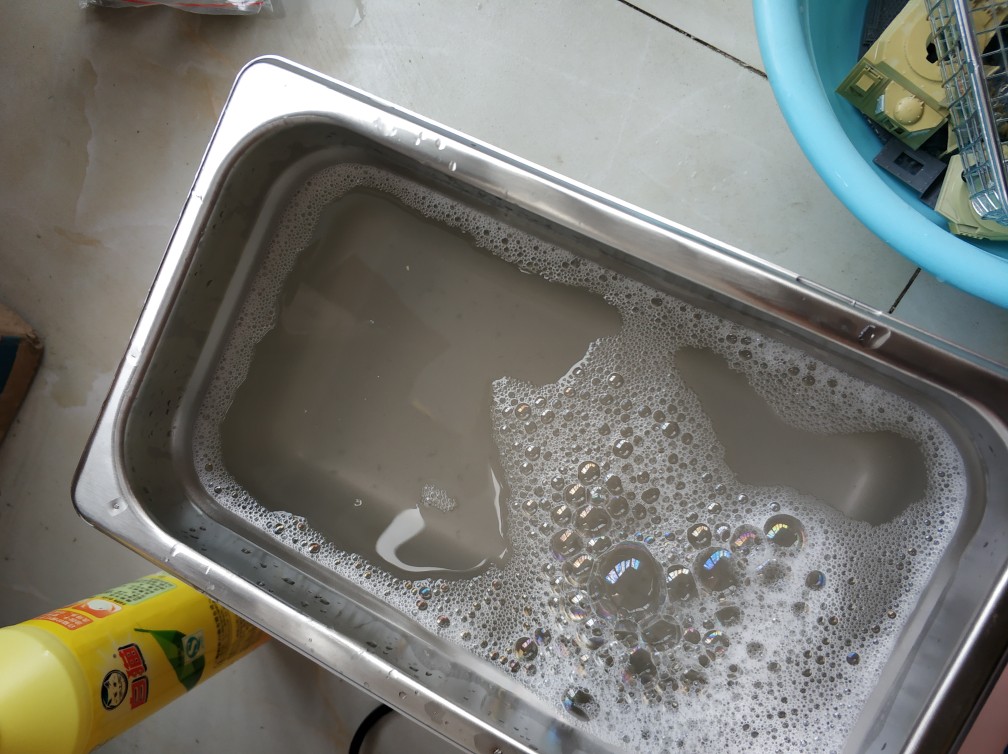
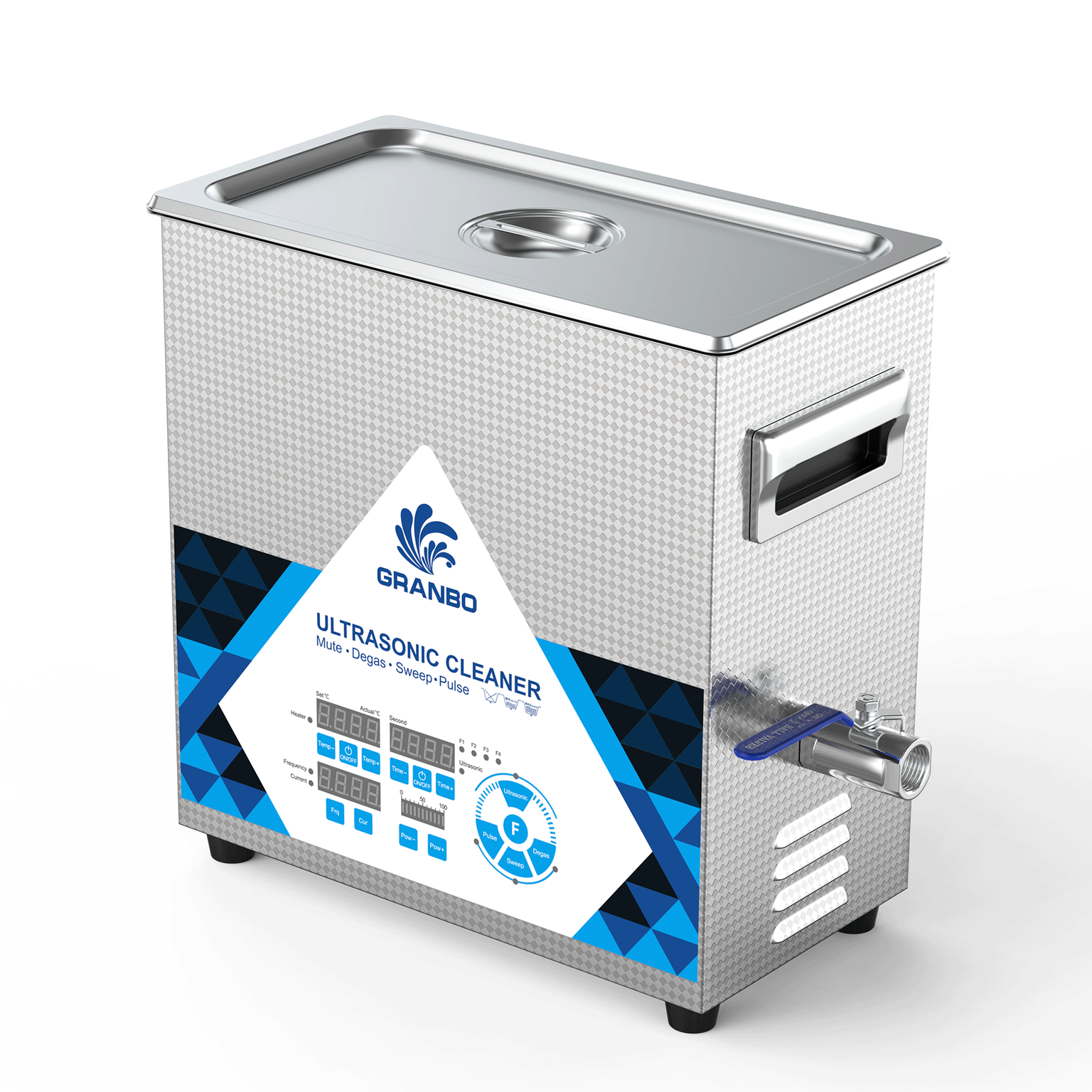
Image of an ultrasonic cleaner using dish soap as the cleaning agent.
Acoustic impedance matching between the transducer, tank material, and cleaning solution determines energy transmission efficiency. Solutions formulated for ultrasonic cleaning maintain acoustic properties that maximize power transfer from transducers to the cleaning zone. The introduction of foam or suspended particles alters acoustic impedance and scatters ultrasonic energy, reducing the mechanical cleaning forces reaching contaminated surfaces.
Temperature stability represents another critical solution characteristic. Ultrasonic operation generates heat through transducer inefficiency and cavitation energy dissipation. Solutions must maintain consistent properties across the operating temperature range, typically 20-70°C depending on application requirements. Chemical stability prevents decomposition or precipitation that could damage equipment or reduce cleaning performance.
The Role of Surfactants in Cavitation-Based Cleaning
Surfactants function as the primary cleaning agents in both dish soap and specialized ultrasonic solutions. These amphiphilic molecules contain both hydrophobic and hydrophilic regions, allowing them to reduce surface tension, emulsify oils, and suspend particulate contaminants. The surfactant concentration and molecular structure determine cleaning effectiveness, foam generation, and compatibility with ultrasonic cavitation.
In ultrasonic applications, surfactants serve dual purposes. Chemically, they break down organic contaminants and prevent redeposition onto cleaned surfaces. Physically, they modify solution surface tension to optimize cavitation bubble dynamics. Specialized ultrasonic cleaning solutions employ low-foaming surfactants at concentrations calibrated to enhance cavitation while minimizing foam interference.
Dish soaps contain high-foaming surfactant blends optimized for manual dishwashing where foam indicates product presence and distributes cleaning agents across surfaces. These formulations prioritize visible foam generation over cavitation compatibility. The excessive foam produced when dish soap encounters ultrasonic agitation creates numerous problems that compromise cleaning performance and potentially damage equipment.
Chemical Composition of Dish Soap and Its Effects
Standard dish soaps combine surfactants, water softeners, pH adjusters, fragrances, colorants, and preservatives to achieve effective grease removal and consumer appeal. The specific formulation varies by brand and product line, but common ingredients create predictable interactions with ultrasonic cleaning systems.
Active Ingredients in Common Dish Soaps
Anionic surfactants, particularly sodium laureth sulfate and sodium lauryl sulfate, dominate most dish soap formulations. These compounds provide excellent grease-cutting performance and generate copious foam through mechanical agitation. Concentrations typically range from 10-30% by weight in concentrated dish soaps. Additional surfactants including amphoteric and nonionic types may supplement the primary cleaning agents.
Chelating agents such as sodium citrate or ethylenediaminetetraacetic acid bind calcium and magnesium ions that cause water hardness. This prevents soap scum formation and maintains surfactant effectiveness in hard water conditions. While beneficial for cleaning performance, some chelating agents interact with metals or minerals present in items being cleaned, potentially causing discoloration or surface etching.
pH modifiers maintain dish soap alkalinity, typically in the pH 7.5-9.5 range. This slightly alkaline environment enhances grease saponification and protein dissolution. However, prolonged exposure to alkaline solutions damages certain materials including aluminum, zinc, brass, and soft metals that undergo corrosion in basic conditions.
Thickeners, fragrances, dyes, and preservatives complete the formulation. These additives contribute minimally to cleaning performance but significantly impact foam stability, solution appearance, and shelf life. Some thickening agents increase solution viscosity beyond optimal ranges for ultrasonic cavitation, while fragrances may deposit residues on cleaned items.
Foam Generation and Cavitation Interference
The fundamental incompatibility between dish soap and ultrasonic cleaning stems from excessive foam production. When ultrasonic waves propagate through dish soap solutions, the mechanical agitation creates dense foam layers that accumulate on the solution surface and throughout the liquid volume. This foam interferes with ultrasonic cleaning through multiple mechanisms.
Foam bubbles scatter and absorb acoustic energy that should reach contaminated surfaces. The gas-filled foam structure reflects ultrasonic waves erratically, preventing uniform energy distribution throughout the cleaning tank. Items positioned in foam-filled zones receive substantially reduced cavitation intensity compared to areas with clear solution.
The pressure waves from cavitation bubble collapse dissipate into foam structure rather than impacting contaminated surfaces. This dramatically reduces the mechanical cleaning forces that constitute ultrasonic cleaning’s primary advantage over simple immersion cleaning. Testing demonstrates 40-70% reduction in cleaning effectiveness when foam occupies more than 20% of solution volume.
Foam overflow creates operational nuisances including solution loss, equipment mess, and potential electrical hazards if foam contacts control electronics. Excessive foam may trigger safety shutoffs in equipment designed with foam sensors. Even without automatic shutoff, foam coating tank walls and transducer surfaces reduces heat dissipation and acoustic coupling efficiency.
Can You Use Dish Soap in Ultrasonic Cleaner?
The direct answer to whether dish soap can be used in ultrasonic cleaners is qualified: dish soap can function in ultrasonic cleaners when heavily diluted, but it rarely represents the optimal solution choice. For non-critical cleaning applications where slight performance reduction and foam management prove acceptable, diluted dish soap provides basic cleaning capability. Precision cleaning, sensitive materials, or professional applications require purpose-formulated ultrasonic solutions.
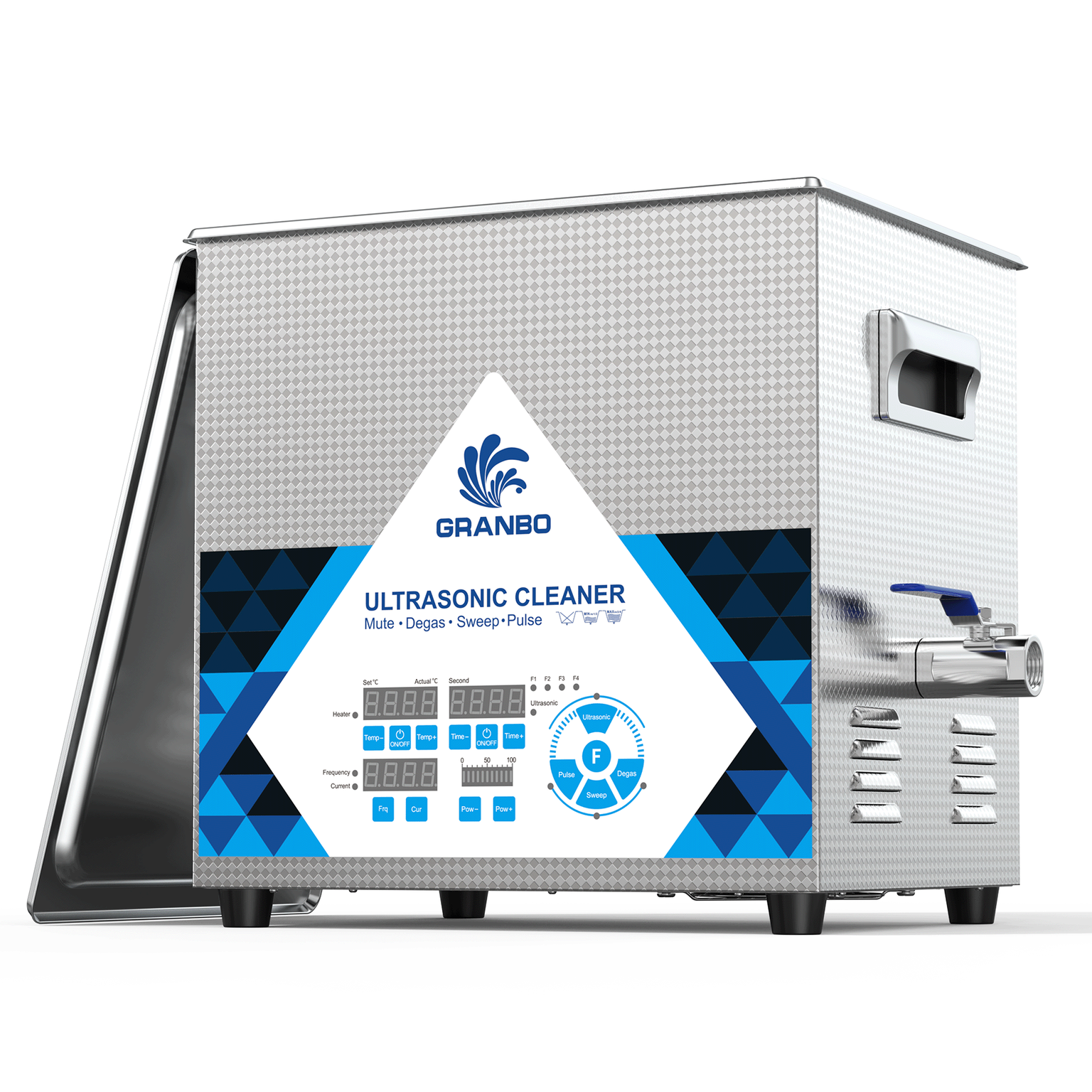
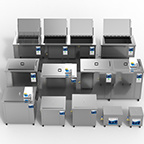
Granbo GL Series Ultrasonic Cleaner Family Portrait
Short Answer and Technical Considerations
Dish soap becomes compatible with ultrasonic cleaning only at extreme dilution ratios that minimize foam generation while retaining adequate surfactant concentration for cleaning action. At these dilutions, typically 1:100 to 1:200 (dish soap to water), the solution exhibits reduced foaming tendency while maintaining basic degreasing and particle suspension capabilities.
The cleaning performance of diluted dish soap falls substantially below dedicated ultrasonic solutions. Specialized formulations contain additive packages that enhance cavitation, provide corrosion inhibition, prevent redeposition, and offer material-specific compatibility. Dish soap lacks these engineered features, resulting in longer cleaning cycles, incomplete contaminant removal, and increased risk of material damage.
Equipment manufacturers generally discourage or explicitly prohibit dish soap use in warranty terms. The foam generation, residue formation, and incompatibility with certain tank materials create reliability concerns that void warranty coverage when damage occurs. Professional and industrial ultrasonic cleaning operations universally employ dedicated solutions to maintain process consistency and equipment longevity.
Concentration Guidelines for Safe Use
When circumstances necessitate dish soap use in ultrasonic cleaners, proper dilution becomes critical for minimizing adverse effects. A starting ratio of 2-3 drops of dish soap per liter of water provides basic surfactant presence with controlled foam generation. This extreme dilution appears nearly identical to plain water but contains sufficient surfactant to reduce surface tension and provide mild degreasing action.
Testing foam generation before adding items to clean helps establish appropriate concentration for specific dish soap brands. Fill the ultrasonic tank with diluted solution and operate for 30-60 seconds while observing foam formation. Acceptable foam levels produce only a thin surface layer that dissipates during operation rather than accumulating continuously. If thick foam develops, drain the solution, reduce concentration, and retest.
Low-foaming dish soap varieties marketed for automatic dishwashers demonstrate better ultrasonic compatibility than hand dishwashing formulas. These products contain surfactants selected specifically for low foam generation during mechanical agitation. Dilution ratios of 1:50 to 1:100 may prove acceptable with automatic dishwasher detergent, compared to 1:100 to 1:200 required for standard dish soap.
Adding small amounts of isopropyl alcohol (5-10% by volume) to dish soap solutions helps suppress foam formation while enhancing degreasing performance. The alcohol reduces surface tension, improves wetting of oily surfaces, and provides additional solvent action for organic contaminants. This combination approximates some commercial ultrasonic cleaner formulations, though it still lacks corrosion inhibitors and other specialized additives.
Performance Comparison with Dedicated Ultrasonic Solutions
Ultrasonic cleaning solutions formulated specifically for cavitation-based cleaning incorporate multiple components engineered to work synergistically with ultrasonic energy. Comparing these specialized products against diluted dish soap reveals substantial performance differences across multiple metrics.
Cleaning Efficiency Differences
Laboratory testing using standardized contaminated test coupons demonstrates measurable cleaning performance gaps between dish soap and dedicated solutions. For general-purpose cleaning of moderately soiled items, properly formulated ultrasonic solutions achieve 90-98% contaminant removal in 3-5 minute cycles at 40-60 kHz operation. Equivalent diluted dish soap solutions reach only 60-75% removal in the same timeframe.
The performance deficit stems from multiple factors. Dedicated solutions contain builders and chelating agents that soften water, enhance surfactant effectiveness, and prevent mineral precipitation. These additives boost cleaning performance beyond what surfactants alone achieve. Dish soap formulations include these components at concentrations optimized for concentrated use, meaning extreme dilution reduces their effectiveness proportionally.
Cavitation enhancement represents another critical difference. Some ultrasonic solutions incorporate wetting agents and surface tension modifiers that optimize bubble formation and collapse dynamics. These additives increase cavitation intensity by 15-25% compared to plain surfactant solutions, translating directly to improved mechanical cleaning action. Dish soap lacks these specialized components, resulting in suboptimal cavitation efficiency.
Rinsing requirements also differ significantly. Dedicated ultrasonic solutions rinse cleanly from surfaces, leaving minimal residue that could interfere with subsequent processing or contaminate sensitive components. Dish soap, even when diluted, tends to leave surfactant films that require multiple rinses for complete removal. This increases processing time and water consumption while potentially introducing spotting or streaking on cleaned items.
Material Compatibility Issues
Commercial ultrasonic cleaning solutions undergo formulation development that includes compatibility testing across common materials encountered in ultrasonic cleaning applications. Manufacturers adjust pH, select appropriate surfactants, and add corrosion inhibitors to prevent damage to metals, plastics, elastomers, and other materials. This testing ensures safe cleaning of diverse items within specified concentration and temperature ranges.
Dish soap formulations prioritize cleaning performance on dishware materials—ceramics, glass, stainless steel, and common plastics. Compatibility with materials used in jewelry, electronics, automotive parts, medical instruments, and industrial components receives no consideration during dish soap development. The pH levels, surfactant types, and additives in dish soap may aggressively attack certain metals or degrade specific polymers.
Aluminum and zinc demonstrate particular sensitivity to dish soap alkalinity. Extended exposure to dish soap solutions causes surface etching, discoloration, and formation of white corrosion products. Brass and copper may also experience tarnishing or corrosion depending on dish soap formulation. Soft metals including lead, pewter, and some aluminum alloys should never contact dish soap in ultrasonic applications.
Some plastics and elastomers absorb surfactants from dish soap solutions, causing swelling, softening, or chemical degradation. Materials including certain silicone rubbers, polyurethane, and acrylic plastics may deteriorate when exposed to concentrated surfactants. While extreme dilution reduces this risk, the lack of controlled testing means compatibility remains uncertain for many material combinations.
Potential Risks and Equipment Damage
Beyond compromised cleaning performance, dish soap use in ultrasonic cleaners introduces multiple equipment reliability concerns. Understanding these risks helps users make informed decisions about solution selection and recognize early indicators of developing problems.
Excessive Foaming Problems
Foam management represents the most immediate operational challenge when using dish soap in ultrasonic cleaners. Even heavily diluted dish soap generates more foam than dedicated low-foaming formulations. This foam accumulates during operation, potentially overflowing the tank and creating messy cleanup requirements.
Foam overflow poses electrical hazards when it contacts control panels, power supplies, or electrical connections. The conductive nature of soapy foam creates short-circuit risks that may damage control electronics or create shock hazards. Equipment positioned in areas where foam overflow could reach other devices or materials faces contamination risks from soap residue spread by foam expansion.
The insulating properties of foam reduce heat dissipation from ultrasonic transducers and tank surfaces. Transducers generate waste heat during operation that must dissipate to prevent overheating and performance degradation. Foam coating tank surfaces traps this heat, potentially causing transducer overheating that accelerates aging or triggers thermal protection shutdowns.
Foam presence interferes with visual monitoring of cleaning progress. Users cannot observe cavitation activity or verify that items remain properly positioned when foam obscures the solution surface. This blind operation increases risks of inadequate cleaning, item damage from improper positioning, or failure to detect problems like solution contamination or equipment malfunction.
Residue Buildup and Transducer Concerns
Dish soap formulations contain ingredients that precipitate from solution under certain conditions or leave residues after water evaporation. These deposits accumulate on tank surfaces, transducer faces, heater elements, and internal plumbing connections. Over time, residue buildup degrades equipment performance and reliability.
Transducer faces represent particularly critical surfaces where any coating or residue reduces acoustic energy transmission. Even thin films of dried surfactant, fragrance compounds, or other dish soap additives decrease coupling efficiency between transducers and the cleaning solution. This effect manifests as gradually declining cleaning performance that users may not attribute to residue accumulation.
Hard water minerals precipitate more readily from dish soap solutions than from properly formulated ultrasonic cleaners containing scale inhibitors. Calcium and magnesium combine with soap surfactants to form insoluble deposits that coat tank surfaces. These mineral-soap complexes prove difficult to remove, sometimes requiring acidic cleaners or mechanical scrubbing that risks damaging tank finishes or transducer surfaces.
Fragrance and dye components in dish soap may deposit on cleaned items, creating contamination in applications requiring residue-free surfaces. Electronic components, optical elements, medical devices, and precision parts cannot tolerate any residue that might interfere with function or subsequent processing. The unpredictable residue characteristics of dish soap make it unsuitable for applications where cleanliness specifications must be verified.
Proper Dilution Methods When Using Dish Soap
When operational requirements or availability constraints necessitate using dish soap in ultrasonic cleaners, careful attention to dilution methodology minimizes problems and achieves acceptable results for non-critical applications.
Recommended Mixing Ratios
Standard concentrated dish soap requires dilution to approximately 0.5-1.0% concentration by volume for ultrasonic applications. This translates to 5-10 milliliters of dish soap per liter of water, or roughly 1-2 teaspoons per quart. Starting with the lower concentration allows testing and adjustment upward if cleaning proves inadequate, whereas excessive initial concentration creates difficult foam management.
Pre-dilution in a separate container before adding to the ultrasonic tank ensures uniform distribution and allows foam behavior observation before equipment operation. Fill a measuring container with the required water volume, add the calculated dish soap amount, and mix gently by stirring rather than shaking to minimize foam generation during preparation.
Water temperature during mixing influences foam generation and surfactant solubility. Room temperature water typically produces optimal results, allowing surfactant dispersion without excessive foam formation. Hot water may enhance surfactant dissolution but also promotes foam generation that continues when solution enters the ultrasonic tank.
Water quality affects both cleaning performance and foam characteristics. Soft water or deionized water produces more foam than hard water with the same surfactant concentration. Users with soft water should start with lower dish soap concentrations, while hard water users may require slightly higher concentrations to achieve equivalent surfactant activity. Adding a small amount of water softener to hard water may improve dish soap performance at lower concentrations.
Testing Procedures Before Full Application
Before cleaning valuable or sensitive items with dish soap solutions, conducting test cleaning cycles with expendable samples verifies compatibility and effectiveness. Select test pieces representing the materials, contaminant types, and geometry of actual items to be cleaned. Inexpensive or discarded components identical or similar to production items serve as ideal test subjects.
Fill the ultrasonic tank with prepared dilute dish soap solution and operate without items for 1-2 minutes while observing foam generation. Acceptable foam formation produces only a thin surface layer less than 1-2 centimeters thick that remains relatively stable rather than continuously expanding. If foam exceeds this level, drain and dilute the solution further before proceeding.
Add test items to the solution and run a standard cleaning cycle, typically 3-5 minutes depending on contamination severity. Monitor throughout the cycle for excessive foam development, unusual noises indicating cavitation suppression, or other operational anomalies. Temperature rise should remain moderate, generally not exceeding 10-15°C above starting temperature during a single cycle.
After cleaning, remove and inspect test items for residue, discoloration, corrosion, or other adverse effects. Rinse thoroughly with clean water and allow to dry completely before final evaluation. Compare cleaned test pieces against equivalent items cleaned with dedicated ultrasonic solution to assess performance differences and determine whether dish soap provides acceptable results for the application.
Applications Where Dish Soap May Be Acceptable
Certain ultrasonic cleaning applications tolerate the limitations of diluted dish soap solutions without significant performance or quality consequences. Understanding appropriate use cases helps users make practical decisions about solution selection.
Non-Critical Cleaning Tasks
General household items including jewelry, eyeglasses, personal accessories, and small tools represent applications where diluted dish soap may provide adequate cleaning results. These items typically require removal of body oils, cosmetic residues, dust, and general grime rather than precision cleaning to specific cleanliness standards.
Non-metal items including plastic toys, ceramic figures, and glass objects demonstrate good compatibility with diluted dish soap. The absence of corrosion concerns with these materials eliminates a primary risk factor associated with dish soap use. Surfactant residue, while undesirable, causes no functional problems on decorative or non-precision items.
Heavily soiled items undergoing initial gross cleaning before final precision cleaning may benefit from diluted dish soap’s degreasing properties. Using inexpensive dish soap for initial contamination removal, followed by thorough rinsing and final cleaning with dedicated ultrasonic solution, provides cost-effective two-stage processing for particularly dirty components.
Laboratory glassware without trace-metal sensitivity occasionally undergoes ultrasonic cleaning with diluted dish soap. Standard borosilicate glass tolerates dish soap alkalinity and surfactants without degradation. However, applications requiring residue-free surfaces or low detection limits for chemical analysis necessitate dedicated laboratory cleaning solutions followed by appropriate rinses.
Items That Tolerate Soap Residue
Mechanical parts destined for lubrication or coating application may tolerate minor soap residue that subsequent processing removes or incorporates. Components that will undergo solvent degreasing, phosphate coating, painting, or similar treatments do not require absolutely residue-free cleaning from ultrasonic processing. The subsequent steps eliminate any dish soap residue remaining after ultrasonic cleaning and rinsing.
Items exposed to outdoor environments or regular water contact accumulate contamination that exceeds trace residue from cleaning processes. Bicycle parts, garden tools, outdoor equipment, and similar applications permit dish soap use since operational contamination far exceeds any cleaning residue.
Non-functional decorative items where appearance rather than precision matters can undergo dish soap ultrasonic cleaning. Costume jewelry, craft items, collectibles, and display pieces benefit from restored appearance without requiring absolute cleanliness. Light soap residue creates no problems for these applications.
When to Avoid Dish Soap Completely
Many ultrasonic cleaning applications require chemical cleanliness, material compatibility, or performance levels that dish soap cannot provide regardless of dilution. Recognizing these situations prevents damage, contamination, or inadequate cleaning results.
Precision Components and Electronics
Electronic assemblies, printed circuit boards, and components with tight tolerances demand residue-free cleaning that only purpose-formulated electronics cleaners provide. Soap residue creates insulation breakdown paths, corrosion sites, and contamination that causes electrical failures. The extreme dilution required to minimize residue reduces cleaning effectiveness to unacceptable levels for electronics applications.
Optical components including lenses, prisms, mirrors, and precision glass elements cannot tolerate any residue that affects transmission, reflection, or surface properties. Dish soap leaves microscopic surfactant films that create haze, reduce optical performance, and attract dust. Specialized optical cleaning solutions provide residue-free results essential for these applications.
Precision machined components with tolerances measured in micrometers require absolutely clean surfaces for proper assembly and function. Even trace residue from dish soap can cause interference fits, prevent proper sealing, or introduce contaminants into lubrication systems. Precision cleaning demands dedicated solutions engineered for residue-free performance.
Components destined for vacuum service, semiconductor processing, or controlled environments encounter strict contamination limits that exclude any organic residues. Dish soap surfactants volatilize under vacuum conditions, creating contamination in vacuum systems. Clean room applications reject items cleaned with non-approved solutions regardless of apparent cleanliness.
Medical and Laboratory Equipment
Surgical instruments, implantable devices, and medical equipment undergo validated cleaning processes that specify approved cleaning solutions and verify cleanliness through standardized testing. Dish soap has no place in medical device cleaning since it lacks biocompatibility validation, residue characteristics documentation, and regulatory approval for medical applications.
Laboratory equipment including analytical instrumentation, sample preparation tools, and test apparatus requires cleanliness levels beyond dish soap capability. Trace metal contamination from improper cleaning compromises analytical results. Organic residues interfere with biological assays and chemical analyses. Only validated laboratory cleaning solutions meet the stringent requirements of analytical applications.
Items that contact food or pharmaceuticals must be cleaned with solutions approved for these applications. Dish soap, while food-safe for dishwashing, lacks approval for industrial food processing or pharmaceutical manufacturing cleaning applications. Regulatory compliance requires documented cleaning validation using specified cleaning agents.
Alternative Household Solutions for Ultrasonic Cleaning
When dedicated ultrasonic cleaning solutions prove unavailable or cost-prohibitive for non-critical applications, several household alternatives demonstrate better compatibility than dish soap while providing basic cleaning capability.
Vinegar-Based Solutions
White distilled vinegar diluted to 10-25% concentration by volume provides mild acid cleaning suitable for removing mineral deposits, light oxidation, and water stains. The acetic acid content dissolves calcium and magnesium carbonates without generating foam or leaving problematic residues. Vinegar solutions rinse cleanly and demonstrate compatibility with most metals and materials.
The acidic nature of vinegar makes it inappropriate for reactive metals including aluminum, zinc, and magnesium. These materials corrode in acidic environments, producing surface damage and hydrogen gas evolution. Testing compatibility on inconspicuous areas before full cleaning prevents damage to valuable items.
Vinegar odor represents the primary operational drawback. The characteristic acetic acid smell permeates work areas during cleaning and requires adequate ventilation. The odor dissipates after rinsing and drying but proves objectionable to some users. Commercial citric acid solutions provide similar cleaning action with less pronounced odor.
Baking Soda Mixtures
Sodium bicarbonate dissolved in water at 1-2% concentration creates a mild alkaline solution suitable for general cleaning without excessive foaming. Baking soda provides gentle abrasive action when used in ultrasonic cleaners, helping dislodge contaminants through combined chemical and mechanical effects. The solution rinses relatively cleanly and demonstrates broad material compatibility.
Complete dissolution of baking soda requires warm water and thorough mixing. Undissolved particles settle to the tank bottom, potentially interfering with transducer operation or scratching sensitive surfaces. Filtration through coffee filters or fine cloth removes undissolved material before use.
Baking soda solutions lack surfactant properties, limiting effectiveness on oily or greasy contaminants. Combining 1-2% baking soda with 0.25-0.5% dish soap creates a low-foaming solution with both alkaline cleaning and degreasing capability. This combination often performs better than either component alone while maintaining controlled foam generation.
Simple detergent solutions using products like Borax (sodium borate) at 0.5-1% concentration provide cleaning action without heavy foaming. These products contain mineral-based cleaning agents rather than synthetic surfactants, resulting in better ultrasonic compatibility. However, borax demonstrates toxicity concerns and requires careful handling and disposal.