 Granbo Sonic











Do Ultrasonic Cleaners Work on Glasses?
Browse Volume:22 Classify:Support
Eyeglasses accumulate stubborn contamination that standard cleaning methods struggle to remove completely. Skin oils, cosmetics, hair products, dust particles, and environmental pollutants build up on lenses and frames throughout daily wear. These residues create smudges, reduce visual clarity, and harbor bacteria around nose pads and temple hinges.
Traditional cleaning approaches leave residue in hard-to-reach areas. Microfiber cloths address surface smudges but cannot penetrate frame crevices or hinge mechanisms. Spray cleaners evaporate quickly, limiting contact time with stubborn deposits. Manual washing with soap requires careful handling to avoid water spots and streaking.
Ultrasonic cleaning technology offers a comprehensive solution that reaches every surface simultaneously. The method uses high-frequency sound waves to create microscopic cleaning action that penetrates tiny gaps, removes embedded particles, and restores optical clarity without physical scrubbing.
How Ultrasonic Cleaning Technology Works
The Principle Behind Ultrasonic Cleaning
Cavitation Process and Microscopic Cleaning Action
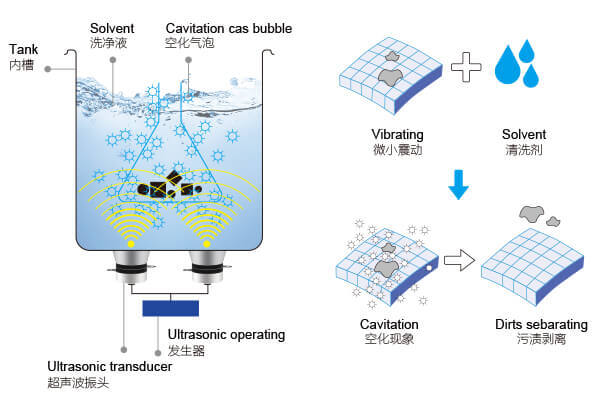
Ultrasonic cleaners generate sound waves at frequencies typically ranging from 20 kHz to 200 kHz, depending on the cleaning application. A piezoelectric transducer converts electrical energy into mechanical vibrations that travel through the cleaning liquid contained in a stainless steel tank.
These high-frequency vibrations create alternating pressure zones throughout the fluid. During low-pressure phases, microscopic bubbles form spontaneously in the liquid. These cavitation bubbles grow slightly larger with each subsequent pressure cycle until they reach an unstable size. When the high-pressure wave arrives, the bubbles collapse violently, creating localized forces equivalent to thousands of pounds per square inch concentrated in areas smaller than a pinpoint.
The implosion of millions of cavitation bubbles creates several cleaning mechanisms. The physical force dislodges particles adhered to surfaces. Rapid fluid motion around collapsing bubbles flushes debris from crevices and textured areas. Localized temperature spikes during bubble collapse help break down organic residues like skin oils and cosmetic products.
For eyeglasses, this cleaning action proves particularly valuable because lens surfaces and frame details contain dozens of contamination collection points that manual methods cannot address effectively. Cavitation bubbles form between nose pads and frames, inside spring hinge mechanisms, around screw threads, and in the microscopic texture of matte frame finishes.
Frequency Specifications for Delicate Items
Operating frequency directly affects bubble size and cleaning characteristics. Higher frequencies produce smaller, gentler bubbles appropriate for delicate items. Lower frequencies create larger bubbles that collapse more violently, suitable for durable components with heavy contamination.
Eyeglasses require gentler cleaning parameters compared to industrial parts. Frequencies between 40-45 kHz provide optimal balance for optical applications. The cavitation intensity effectively removes common eyewear contamination while remaining gentle enough to preserve delicate lens coatings and frame finishes.
Units operating below 35 kHz generate aggressive cavitation that risks damaging anti-reflective coatings. The violent bubble collapse can create microscopic surface disruption on soft coatings, leading to premature wear or delamination. Professional optical shops select units operating at 42-45 kHz, optimized for thorough cleaning without coating damage.
Effectiveness for Eyeglasses
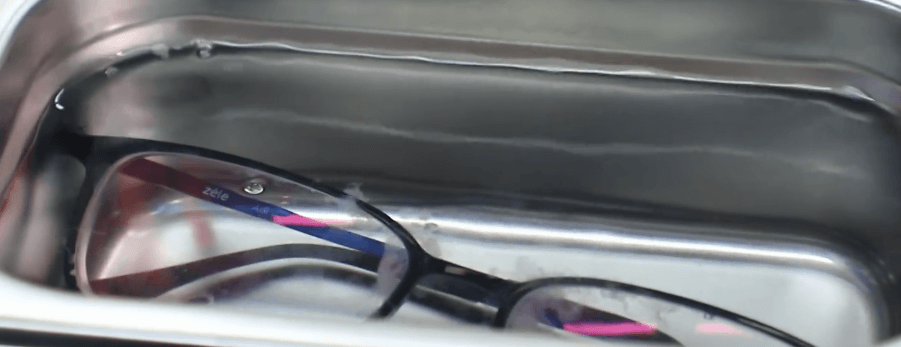
The glasses are undergoing cleaning in the ultrasonic cleaner
Why Ultrasonic Cleaning Excels for Eyewear
Yes, ultrasonic cleaners work exceptionally well for cleaning eyeglasses when proper equipment and procedures are used. The technology addresses fundamental limitations of conventional cleaning methods while providing superior results in less time.
Eyeglass frames contain numerous hard-to-reach areas that trap contamination. The space between nose pads and mounting brackets collects skin oils, dead skin cells, and cosmetic residues. Spring hinges incorporate tiny mechanical components with narrow gaps that accumulate debris. Testing conducted by optical equipment manufacturers demonstrates that ultrasonic cleaning removes 99% of contamination from eyeglass frames compared to 60-70% removal rates for manual cleaning methods.
Modern ophthalmic lenses feature multiple microscopic coating layers that improve optical performance but also create textured surfaces at the nanometer scale. Anti-reflective coatings contain alternating layers that can trap fine particles. Ultrasonic cavitation reaches into the microscopic surface texture of lens coatings without requiring abrasive contact. Properly cleaned anti-reflective lenses show noticeably improved clarity and reduced glare compared to lenses cleaned with conventional methods.
Types of Contamination Removed
Skin oils and sebum represent the most common eyeglass contamination. Natural oils from facial skin transfer to nose pads, temples, and lens surfaces. Ultrasonic cleaning with mild detergent solutions emulsifies and removes skin oils completely, even heavy buildup on nose pads and temple tips.
Cosmetic residues including makeup, hairspray, and skincare products coat eyeglass surfaces regularly. These products often contain silicones, waxes, and polymers that resist simple water rinsing. The combination of chemical action from cleaning solutions and physical disruption from cavitation breaks down cosmetic residues effectively.
Dust and airborne particles settle on eyeglasses continuously during wear and storage. Environmental dust contains silica, pollen, and textile fibers ranging from 1-100 micrometers in size. Ultrasonic agitation dislodges embedded particles regardless of location, with the cleaning solution suspending removed particles to prevent redeposition.
Hard water deposits and mineral scale form on eyeglasses in areas with high water mineral content. Mildly acidic ultrasonic cleaning solutions dissolve mineral deposits rapidly, with cavitation enhancing chemical contact.
Biological contamination including bacteria and organic debris accumulates through normal use. Studies show eyeglass frames carry bacterial counts comparable to frequently touched surfaces. Ultrasonic cleaning physically removes biological contamination through cavitation disruption, significantly reducing microbial load.
Lens Coating Compatibility
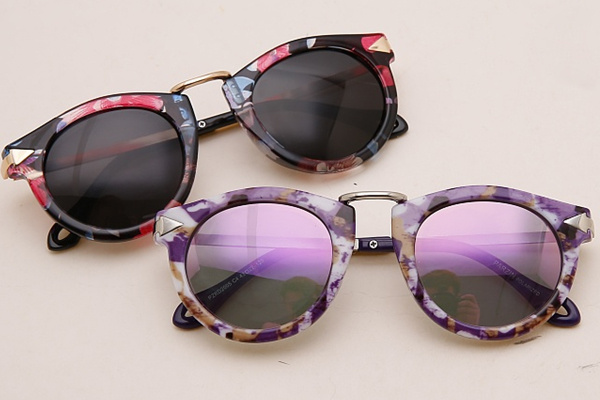
Coated sunglasses
Anti-Reflective and Hard Coatings
Anti-reflective (AR) coatings reduce surface reflections from approximately 8% to less than 1%, improving visual clarity. These multilayer coatings consist of alternating high and low refractive index layers deposited through vacuum processes.
Quality AR coatings from reputable manufacturers tolerate ultrasonic cleaning well when proper parameters are followed. The coating layers bond strongly to the lens substrate through chemical adhesion. Properly applied AR coatings withstand thousands of ultrasonic cleaning cycles without delamination or performance degradation.
However, coating quality varies significantly. Low-cost AR coatings may use fewer layers, inferior materials, or inadequate bonding processes, showing higher risk of damage. Pre-existing coating damage becomes the primary concern, as AR coatings develop microscopic cracks from normal wear. Pre-cleaning inspection identifies damaged coatings requiring careful handling.
Temperature sensitivity affects coating integrity. Excessive heat causes differential thermal expansion between coating layers and substrate. Maintaining cleaning solution temperature below 40 degrees Celsius for AR-coated lenses prevents thermal stress damage.
Hard coatings applied to plastic lenses improve scratch resistance. These silicone-based coatings show excellent compatibility with ultrasonic cleaning, with the coating material bonding well to plastic substrates and resisting chemical attack from standard cleaning solutions.
UV, Photochromic, and Blue Light Filters
UV-blocking treatments incorporated into lens materials or applied as coatings show no degradation from ultrasonic cleaning using standard parameters. The UV-absorbing molecules remain stable in cleaning solutions at normal temperatures.
Photochromic lenses that darken in sunlight contain light-sensitive molecules. Surface-applied photochromic treatments show some temperature sensitivity. Ultrasonic cleaning at moderate temperatures below 35 degrees Celsius poses no risk to photochromic function, but higher temperatures approaching 50 degrees Celsius may accelerate compound degradation.
Blue light filtering coatings applied as surface treatments tolerate ultrasonic cleaning similarly to AR coatings. The material chemistry and application methods resemble AR coating processes, resulting in comparable durability.
Hydrophobic Surface Treatments
Hydrophobic and oleophobic top coats create water and oil-repelling surfaces using fluoropolymer chemistry. These ultra-thin coatings, typically 5-10 nanometers, provide less mechanical durability than underlying coatings.
Ultrasonic cleaning affects hydrophobic coatings less than conventional cleaning methods. The non-contact cleaning action avoids the mechanical abrasion that degrades these delicate treatments. However, aggressive ultrasonic parameters or harsh cleaning solutions can accelerate degradation. Using gentle frequencies above 40 kHz, mild cleaning solutions, and moderate temperatures preserves these treatments.
Frame Material Compatibility
Plastic and Metal Frame Safety
Cellulose acetate frames, crafted from layered sheet material, represent the premium standard for plastic eyewear. Acetate shows outstanding compatibility with ultrasonic cleaning across standard parameter ranges. The material resists swelling from water exposure and its chemical resistance tolerates mild alkaline and neutral cleaning solutions without finish degradation or color changes.
Injection-molded plastic frames present more variable compatibility. Quality varies widely between manufacturers. Economy frames may use materials with marginal chemical resistance that show discoloration with certain cleaning solutions.
Monel frames, combining nickel and copper, deliver strength and corrosion resistance. The alloy tolerates ultrasonic cleaning well, showing no tarnishing or corrosion. Stainless steel frames provide corrosion resistance and hypoallergenic properties, with the chromium oxide passive layer resisting chemical attack from cleaning solutions.
Titanium and Specialty Materials
Titanium frames represent the pinnacle of metal eyewear for weight, strength, and corrosion resistance. Pure titanium and beta-titanium alloys show exceptional compatibility with ultrasonic cleaning. The passive titanium oxide surface layer provides corrosion protection that ultrasonic cleaning cannot damage. The material tolerates elevated temperatures, aggressive frequencies, and extended cleaning cycles without degradation.
Rimless Design Considerations
Rimless and semi-rimless eyeglasses mount lenses directly to temples through drilled holes or grooved edges. The primary concern involves mounting hardware rather than material compatibility. Rimless glasses use small screws and bushings that may loosen from excessive vibration. Pre-cleaning inspection ensures hardware tightness, with post-cleaning verification checking for any loosening requiring adjustment.
Selecting Cleaning Solutions
pH Balance and Temperature Requirements
Distilled or deionized water serves as the base for all eyeglass ultrasonic cleaning solutions. Tap water contains minerals that leave spots on lenses and frames after drying.
pH balance affects cleaning effectiveness and material safety. Neutral solutions between pH 6.5-7.5 provide maximum material compatibility with all eyeglass components. Mildly alkaline solutions reaching pH 8-9 enhance cleaning power for organic contamination like skin oils and cosmetics while remaining safe for quality eyewear components.
Temperature control optimizes results. Room temperature cleaning at 20-25 degrees Celsius provides adequate results for routine cleaning. Moderate heating to 35-40 degrees Celsius optimizes cleaning effectiveness while maintaining safety margins for optical components. The elevated temperature accelerates chemical reactions, reduces solution viscosity, and enhances cavitation.
Temperatures above 45 degrees Celsius create unnecessary risk. Certain coating materials show accelerated degradation at elevated temperatures. Temperature monitoring ensures consistent, safe cleaning within the 35-40 degree Celsius range for optimal balance.
Commercial Formulations vs. Solutions to Avoid
Specialized eyeglass cleaning concentrates designed for ultrasonic use optimize formulation for optical applications. Quality formulations contain surfactants to reduce surface tension, emulsifiers to disperse oils, chelating agents to sequester minerals, and corrosion inhibitors to protect metal components.
Concentrated liquid products require dilution before use, with typical ratios ranging from 20:1 to 50:1. Light daily cleaning uses higher dilution ratios, while heavy contamination benefits from stronger concentration.
Avoid inappropriate chemicals that create problems for eyewear:
Ammonia-based cleaners attack certain lens coatings and plastic materials, etching anti-reflective coatings over time. Bleach and chlorine solutions corrode metals and degrade plastics rapidly. Petroleum solvents dissolve certain frame plastics and compromise coating adhesion. Highly alkaline degreasers above pH 11 attack lens coatings and aluminum frame components. Abrasive cleaners containing suspended particles scratch lenses and frames.
Proper Operating Parameters
Frequency, Duration, and Temperature Settings
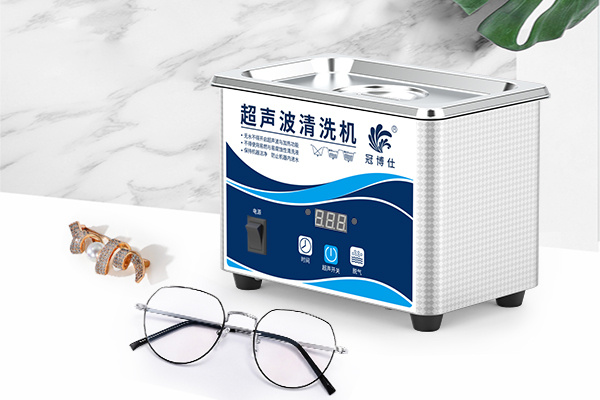
Eyeglass ultrasonic cleaning requires frequencies in the 40-68 kHz range. Units operating at 40 kHz represent the industry standard for professional optical shops. This frequency generates cavitation bubbles small enough to avoid coating damage while maintaining effective cleaning action.
Cleaning duration should be kept short to protect delicate coatings and frame materials while effectively removing light contamination. For most eyeglasses and sunglasses, an ultrasonic cleaning cycle of 10–30 seconds is sufficient. Start with a 10–20 second cycle for lightly soiled lenses and increase to 30 seconds only if additional cleaning is needed. Extended cleaning times are generally unnecessary for routine eyewear maintenance and may increase the risk of damage to sensitive lens coatings.
Temperature control should maintain a moderate solution temperature. Starting with a room-temperature solution and allowing ultrasonic energy to generate a slight temperature increase is typically sufficient. If desired, the cleaning solution can be preheated to 35–40°C (95–104°F) before use to enhance cleaning performance while remaining safe for most eyewear materials.
Positioning Glasses in the Tank
Glasses should rest in the tank without frames or lenses touching each other. Contact points between glasses create cushioned zones where cavitation cannot occur. Spacing glasses at least 15mm apart prevents contact and ensures complete cleaning.
Specialized eyeglass cleaning baskets suspend glasses in the optimal cleaning zone, holding multiple pairs separated and positioned midway through the solution depth. Alternatively, laying glasses flat on the tank bottom with temples extended works adequately for single-pair cleaning.
Avoid overcrowding the tank. For household units, cleaning 1-2 pairs of glasses per cycle provides optimal results.
Step-by-Step Cleaning Procedure
Pre-cleaning inspection identifies potential problems. Visual examination under bright light reveals coating damage, frame cracks, or loose components. Checking screw tightness and verifying nose pad security prevents loosening during cleaning vibration.
Solution preparation involves filling the ultrasonic tank to the recommended level and mixing cleaning concentrate according to manufacturer directions. Temperature adjustment to 35-40 degrees Celsius on equipped units ensures optimal conditions.
Cleaning cycle execution begins by placing glasses in the prepared solution using proper positioning. Starting the ultrasonic cycle initiates cavitation throughout the solution. Allowing the full programmed cycle to complete provides consistent results.
Post-cleaning rinsing under lukewarm running water removes cleaning solution residues. Fifteen to twenty seconds of running water rinse ensures complete solution removal. Drying with clean microfiber cloths prevents water spots, using blotting motions followed by gentle polishing for spot-free finish.
Equipment Specifications for Eyewear
Dedicated eyeglass cleaners often feature 300-450ml capacity, sufficient for 1-2 pairs of glasses. Multi-purpose household ultrasonic cleaners offering 600-900ml capacity provide versatility for eyewear plus other items like jewelry or watches.
Frequency and power specifications show eyewear-specific cleaners operate at 40-68 kHz with power output of 30-50 watts. Larger multi-purpose units require 100-150 watts for effective cleaning across larger volumes.
Timer and temperature controls separate budget from advanced units. Basic models feature mechanical timers adjustable from 1-30 minutes. Digital timers offer 1-Second increments up to 30 minutes. Heated units with thermostat control maintain selected temperature automatically.
Safety Precautions and Damage Prevention
Inspecting for pre-existing coating damage prevents attributing existing problems to the cleaning process. AR coating delamination appears as dark spots, typically starting at lens edges. Crazing patterns of fine cracks indicate coating stress failure. Photographing identified damage documents condition before cleaning.
Temperature monitoring prevents heat-related damage. Starting with appropriate temperature rather than heating during the cleaning cycle provides safer conditions. Avoiding overheating protects eyewear components, with solutions exceeding 45 degrees Celsius creating unnecessary risk.
Preventing lens-to-lens contact during ultrasonic vibration avoids scratching. Using eyeglass-specific baskets that separate and suspend each pair prevents contact. Single-pair cleaning eliminates contact concerns entirely.
Special considerations for expensive designer frames include researching manufacturer cleaning recommendations and testing parameters on similar inexpensive glasses first. Conservative parameters for initial attempts protect valuable eyewear.
When Ultrasonic Cleaning May Not Be Suitable
Glasses
Damaged or delaminating coatings should not undergo ultrasonic cleaning without understanding risks. Delaminating AR coatings showing large affected areas will likely worsen during ultrasonic treatment, as cavitation disrupts coating layers weakly bonded to substrates.
Loose lens mountings and screws on rimless glasses risk disassembly during ultrasonic cleaning. The vibration works loose screws similarly to vibration in vehicle environments. Pre-cleaning tightening prevents lens detachment in the cleaning tank.
Decorative elements and adhesive components on fashion eyewear may use glued crystals or appliques. Adhesives securing these elements may soften in warm cleaning solutions or fail under ultrasonic vibration. Hand cleaning decorated areas while ultrasonic cleaning the frame structure separately protects decorative elements.
Antique or specialty eyewear requires individual evaluation before ultrasonic cleaning. Unknown materials, historical coating formulations, or fragile construction may not tolerate modern cleaning methods. Consulting with optical historians or museum conservation specialists provides expert guidance for valuable historical items.
Best Practices for Optimal Results
Ultrasonic cleaning delivers excellent results for eyeglasses when users follow established best practices. Selecting ultrasonic cleaners operating at appropriate frequencies between 40-68 kHz ensures coating safety. Using dedicated eyeglass cleaning solutions formulated for ultrasonic application optimizes chemistry for optical materials.
Pre-cleaning inspection identifies coating damage, loose components, or incompatible materials requiring special handling. Proper positioning prevents lens contact and ensures complete solution immersion. Post-cleaning rinsing removes solution residues, with thorough drying preventing water spots.
Regular cleaning prevents heavy contamination buildup requiring aggressive treatment. Weekly or biweekly ultrasonic cleaning maintains glasses in excellent condition with gentle parameters. The routine maintenance preserves coating longevity while ensuring optimal vision clarity and hygiene.
Understanding equipment capabilities, material limitations, and proper procedures enables successful eyeglass cleaning for applications ranging from daily-wear prescription glasses to premium designer frames. The investment in quality ultrasonic equipment and appropriate cleaning solutions pays dividends through superior cleaning results, extended eyewear life, and convenient maintenance that encourages consistent care practices.