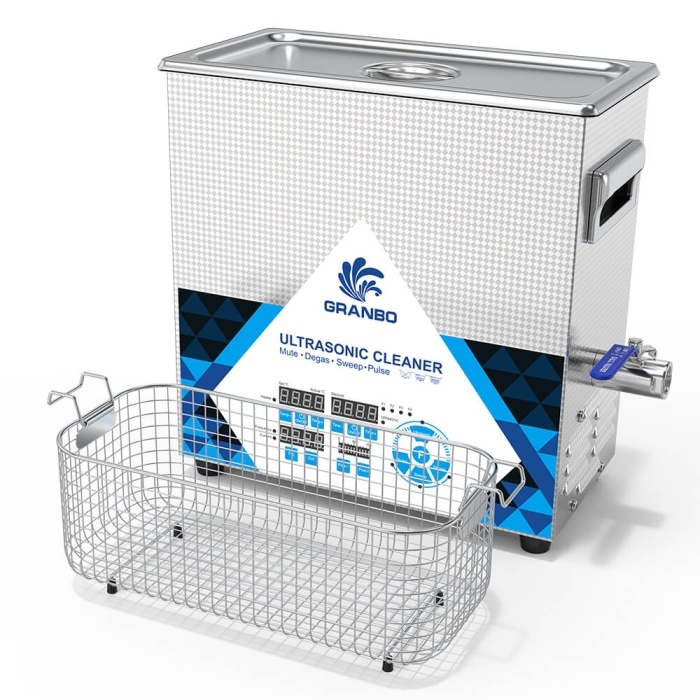
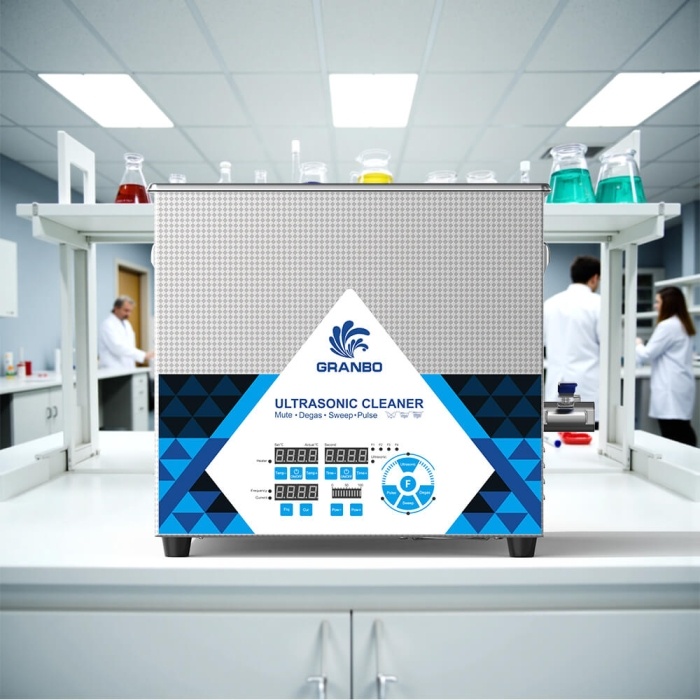
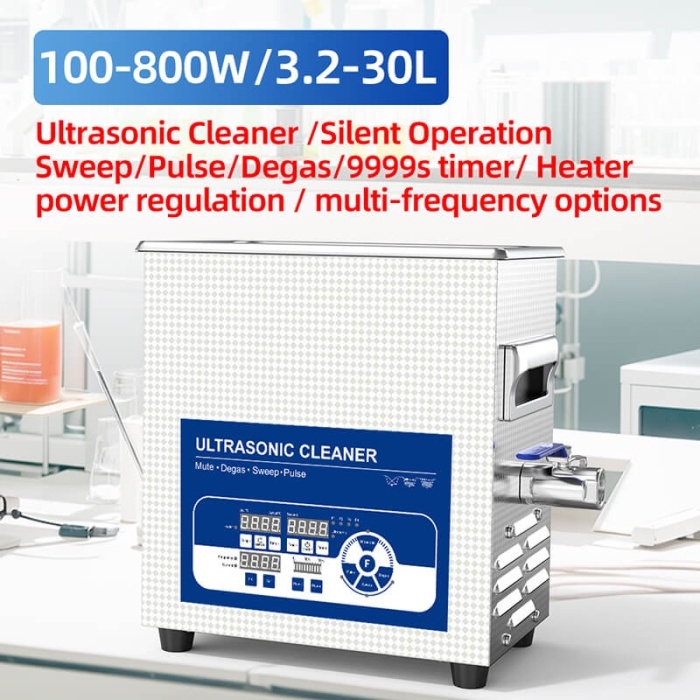
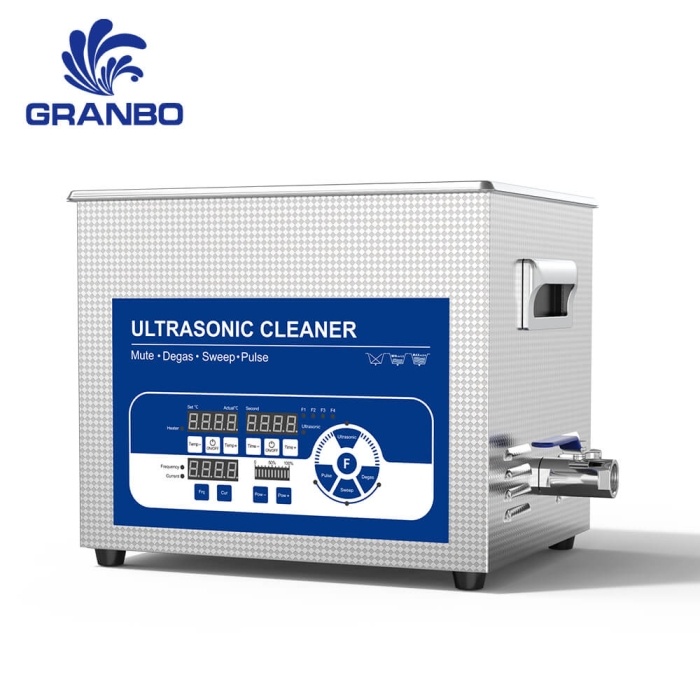
 Granbo Sonic











Do Ultrasonic Cleaners Need Cleaning Solution? Understanding Liquid Requirements for Optimal Performance
Browse Volume:34 Classify:Support
Yes, ultrasonic cleaners require appropriate cleaning solutions to achieve their full cleaning potential. While ultrasonic equipment can operate with plain water alone, the addition of properly formulated cleaning solutions dramatically improves cleaning effectiveness, reduces processing time, and enables the removal of contamination types that water cannot address. The mechanical action of cavitation works synergistically with chemical cleaning agents to deliver results far superior to either method used independently.
Understanding the relationship between ultrasonic energy and cleaning chemistry reveals why solution selection directly impacts cleaning outcomes. Ultrasonic transducers generate high-frequency sound waves that create microscopic cavitation bubbles throughout the liquid medium. These bubbles implode against contaminated surfaces, producing intense localized cleaning action. However, the cavitation process alone cannot dissolve oils, break down organic residues, or neutralize certain types of surface contamination without chemical assistance.
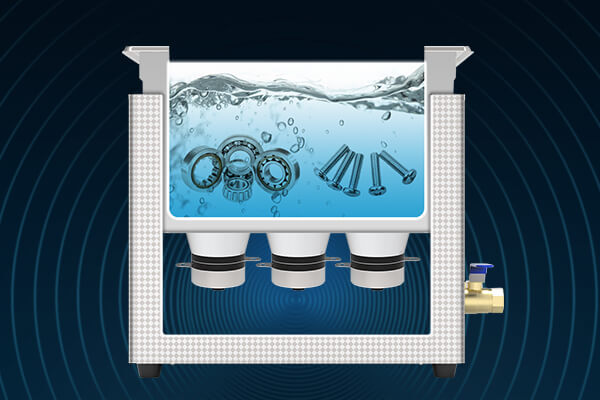
Ultrasonic Cleaning
The misconception that ultrasonic cleaners work effectively with water alone stems from observing visible cleaning action when items are immersed in plain water. Objects do emerge cleaner than before processing, leading users to conclude that solutions are unnecessary additives. Testing conducted across various contamination types demonstrates that plain water ultrasonic cleaning typically achieves only 40 to 60 percent of the cleaning effectiveness obtained when appropriate solutions are employed. The remaining contamination persists in microscopic surface layers, within porous materials, or as chemical residues that mechanical action cannot fully remove.
Why Plain Water Isn’t Sufficient
Several fundamental physical and chemical factors limit the effectiveness of water-only ultrasonic cleaning for most applications.

Water
Surface Tension and Cavitation Efficiency
Water possesses relatively high surface tension compared to cleaning solutions containing surfactants. This surface tension affects cavitation bubble formation and collapse dynamics in ways that reduce cleaning effectiveness. Higher surface tension requires greater energy input to initiate cavitation, and the resulting bubbles tend to be larger and less uniformly distributed throughout the cleaning tank.
The collapse of cavitation bubbles in high surface tension liquids produces less focused energy delivery to contaminated surfaces. Pure water bubbles implode with significant force, but the cleaning energy disperses over larger areas compared to bubbles formed in lower surface tension solutions. This reduces the intensity of cleaning action at the microscopic level where contamination bonds to substrate materials.
Surface tension also affects solution penetration into narrow gaps, threaded connections, and porous materials. Water’s high surface tension prevents it from wetting certain surfaces adequately, leaving contamination isolated from ultrasonic cleaning action. Materials with low surface energy, including many plastics and non-polar contaminants like oils, repel water molecules and resist cleaning through water-only processing.
Cleaning Chemistry Fundamentals
Effective cleaning requires both mechanical and chemical action working together. The mechanical component removes loose particles and physically disrupts contamination layers, while chemical action dissolves, emulsifies, or reacts with contamination to break the bonds between contaminants and surfaces.
Plain water lacks the chemical functionality necessary to address most real-world contamination. Oils, greases, waxes, and other hydrophobic materials do not dissolve in water regardless of mechanical agitation intensity. These substances require surfactants that reduce interfacial tension between oil and water phases, allowing emulsification and removal from cleaned surfaces.
Oxidation products, corrosion films, and mineral deposits often require specific chemical reagents for effective removal. Alkaline solutions saponify fatty acids and attack organic residues, while acidic formulations dissolve mineral scales and metal oxides. Water alone cannot provide these chemical reactions, limiting cleaning to mechanical removal of loose surface debris.
Limitations of Water-Only Cleaning
Practical experience across multiple industries confirms that water-only ultrasonic cleaning proves adequate only for the lightest contamination scenarios. Parts with simple dust or loose particle contamination may appear clean after water processing, but microscopic examination typically reveals residual contamination remaining on surfaces.
Manufacturing operations that attempted cost reduction by eliminating cleaning solutions discovered quality problems stemming from inadequate cleaning. Electronic assemblies processed with water alone showed residual flux contamination that caused long-term reliability failures. Medical instruments cleaned without proper solutions exhibited protein residues detectable through biological assays despite appearing visually clean.
Testing protocols established by equipment manufacturers consistently demonstrate performance differences between water and solution cleaning. Standard test contamination applied to metal coupons shows removal rates of 45 to 65 percent with plain water compared to 92 to 99 percent removal using appropriate cleaning solutions under identical ultrasonic parameters. These differences translate directly to real-world cleaning outcomes across all application types.
How Cleaning Solutions Enhance Ultrasonic Performance
Properly formulated cleaning solutions improve ultrasonic effectiveness through multiple mechanisms that complement the mechanical cavitation action.
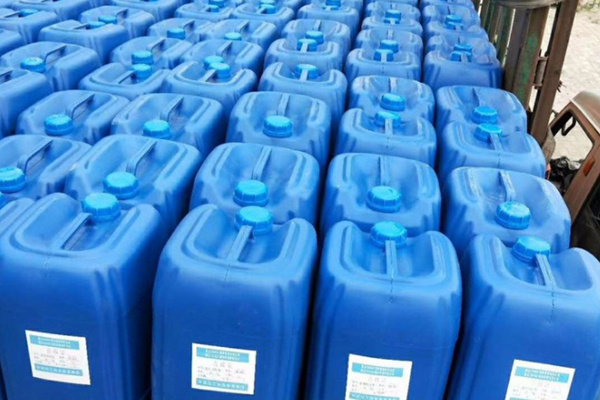
Cleaning Agent
Surfactant Function in Cavitation
Surfactants, also called surface-active agents, represent the primary functional component in most ultrasonic cleaning solutions. These molecules feature both hydrophilic and hydrophobic regions that orient at interfaces between different materials, dramatically reducing surface and interfacial tensions.
Reduced surface tension allows ultrasonic energy to generate cavitation more efficiently at lower power levels. The threshold for cavitation initiation drops significantly in surfactant solutions compared to pure water, meaning that more cavitation bubbles form throughout the liquid volume. These bubbles distribute more uniformly and collapse with better-focused energy delivery to contaminated surfaces.
Surfactants also improve solution wetting of contaminated surfaces. The molecules adsorb onto both the substrate and contamination layers, creating a bridge that allows aqueous solution to contact and penetrate areas that would repel pure water. This wetting action proves essential for cleaning complex geometries with blind holes, narrow crevices, and other restricted access features.
Emulsification of oils and greases occurs when surfactant molecules surround oil droplets, creating stable suspensions that prevent redeposition onto cleaned surfaces. The ultrasonic cavitation physically breaks large oil films into microscopic droplets while surfactants stabilize these droplets in solution. Without surfactants, dislodged oil would simply spread across other surfaces or reform films on cleaned parts.
Chemical Action Combined with Mechanical Energy
Ultrasonic cavitation accelerates chemical reactions by constantly exposing fresh solution to contaminated surfaces. Each bubble collapse drives solution forcefully against surfaces, sweeping away reaction products and bringing fresh reactive chemicals into contact with remaining contamination. This convective action operates at microscopic scales impossible to achieve through conventional agitation methods.
Alkaline cleaning solutions attack organic contamination through saponification and hydrolysis reactions. Fats, oils, and greases undergo chemical transformation into water-soluble soaps and glycerol when exposed to alkaline solutions. Ultrasonic energy drives these reactions to completion in minutes rather than the hours required for static chemical cleaning.
Chelating agents incorporated in many ultrasonic cleaning formulations bind metal ions and mineral deposits, forming soluble complexes that rinse away easily. The mechanical action of cavitation disrupts surface scale deposits while chelating chemistry dissolves the exposed material. This combination proves particularly effective for removing hard water deposits, rust stains, and mineral contamination that resists purely mechanical cleaning.
Oxidizing agents in some formulations bleach stains and decompose organic residues through chemical oxidation. The ultrasonic energy ensures intimate contact between oxidizer molecules and contamination while preventing localized depletion of active ingredients. This maintains consistent cleaning action throughout processing cycles.
Temperature Optimization Through Solution Selection
Cleaning solution formulations are designed to perform optimally at specific temperature ranges. Most general-purpose ultrasonic cleaning solutions achieve peak effectiveness between 50 and 60 degrees Celsius where chemical reaction rates balance against solution stability and material compatibility concerns.
The thermal conductivity and heat capacity of properly formulated solutions differ from pure water in ways that promote more stable temperature distribution throughout the ultrasonic tank. Uniform temperature prevents hot spots that could damage sensitive components while ensuring that all items receive adequate thermal energy to accelerate cleaning chemistry.
Some specialized cleaning solutions incorporate temperature-activated components that provide additional cleaning power when heated ultrasonic equipment is employed. These formulations remain safe and stable at room temperature for handling and storage, then release enhanced cleaning action only when brought to operating temperature during processing.
Types of Cleaning Solutions for Ultrasonic Equipment
Multiple solution categories exist, each formulated for specific contamination types and substrate materials.
Alkaline Detergent Solutions
Alkaline formulations represent the most widely used ultrasonic cleaning solutions across industrial, commercial, and consumer applications. These products typically maintain pH between 9 and 12, providing effective cleaning for oils, greases, carbon deposits, and general soiling.
Mild alkaline solutions around pH 9 to 10 suit delicate materials including aluminum, zinc die castings, and soft metals that might corrode in stronger alkali. These formulations incorporate blended surfactants with builders and chelating agents that boost cleaning power without excessive chemical aggression.
Moderate to strong alkaline solutions between pH 11 and 13 handle heavy industrial contamination including cutting oils, buffing compounds, and carbonized deposits. These products often contain sodium hydroxide, potassium hydroxide, or sodium metasilicate as the alkaline component, combined with robust surfactant packages designed for tough cleaning challenges.
The alkaline chemistry excels at saponifying fats and oils while providing excellent wetting and emulsification properties. Most alkaline ultrasonic cleaners produce low foaming characteristics essential for ultrasonic applications, since excessive foam dampens cavitation and reduces cleaning effectiveness.
Neutral pH Formulations
Neutral pH cleaning solutions maintain pH between 6 and 8, offering maximum material compatibility for applications involving mixed metal types or sensitive substrates. These formulations rely primarily on surfactant action and mild chelating agents rather than strong alkaline or acidic chemistry.
Electronics cleaning represents a major application for neutral pH ultrasonic solutions. Printed circuit boards, precision electronic components, and delicate assemblies require contamination removal without risk of corrosion or chemical attack. Neutral formulations remove flux residues, ionic contamination, and particulate matter while maintaining compatibility with all common electronic materials.
Medical and dental instrument cleaning frequently employs neutral pH solutions that effectively remove biological contamination without affecting stainless steel, titanium, or other medical-grade materials. These formulations meet biocompatibility requirements while providing cleaning performance necessary for critical hygiene applications.
The primary limitation of neutral solutions involves reduced effectiveness against heavy organic contamination compared to alkaline products. Applications with light to moderate soiling levels benefit from neutral chemistry, while heavily contaminated items may require alkaline solutions or extended processing times.
Acidic Cleaning Solutions
Acidic ultrasonic cleaning solutions address specific contamination types that resist alkaline chemistry. These formulations typically maintain pH between 2 and 5, utilizing various organic or mineral acids to achieve cleaning objectives.
Rust and oxidation removal represents the primary application for acidic ultrasonic cleaners. Iron oxide, copper oxide, and other metal oxides dissolve readily in acid solutions. The ultrasonic cavitation continuously exposes fresh metal surface as oxide layers dissolve, accelerating the descaling process dramatically compared to static acid treatment.
Mineral deposit removal from heat exchangers, cooling passages, and similar components benefits from acidic ultrasonic processing. Calcium carbonate, calcium sulfate, and other hard water scales dissolve in acidic solutions. The cavitation action ensures acid penetration into deposits and assists in physically disrupting scale layers as chemical dissolution proceeds.
Acidic solutions require careful material compatibility evaluation before use. Ferrous metals tolerate brief acid exposure during ultrasonic cleaning, but extended processing can cause base metal attack. Aluminum, zinc, and other reactive metals generally prove incompatible with acidic cleaners. Stainless steel and noble metals handle acidic solutions well, making these formulations popular for jewelry cleaning and precious metal processing.
Solvent-Based Solutions
Solvent-based ultrasonic cleaning solutions incorporate organic solvents that dissolve contamination types resistant to aqueous cleaning. These formulations range from simple solvent blends to complex emulsions combining solvent and aqueous phases.
Hydrocarbon solvents including d-limonene, petroleum distillates, and terpene-based products effectively remove heavy greases, waxes, and tar-like contamination. These materials dissolve in organic solvents but remain unaffected by aqueous cleaning regardless of surfactant concentration or alkalinity.
Alcohol-based ultrasonic solutions provide rapid drying characteristics important for precision cleaning applications. Isopropanol and ethanol formulations remove oils and fluxes while evaporating quickly after processing, eliminating the drying step required with aqueous cleaners.
Semi-aqueous formulations combine organic solvents with water and surfactants, offering advantages of both cleaning approaches. These products dissolve challenging contamination while maintaining good rinsing characteristics and reduced flammability compared to pure solvents. Many modern precision cleaning applications have transitioned to semi-aqueous ultrasonic solutions that deliver performance matching hazardous solvents with improved safety profiles.
Matching Solutions to Cleaning Applications
Optimal cleaning results require selecting solutions formulated for specific application requirements and contamination types.
Jewelry and Precious Metals
Jewelry cleaning solutions for ultrasonic applications feature neutral to mildly alkaline pH with surfactant packages designed for delicate items. These formulations remove body oils, cosmetic residues, and tarnish films without affecting precious metals or most gemstones.
Ammonia-based jewelry cleaners provide enhanced cleaning power for heavily tarnished silver items, though concentration must be controlled to prevent excessive brightness that removes desirable patina. Modern ammonia-free formulations achieve comparable results with reduced odor and improved user comfort.
Specialized solutions for specific jewelry applications include formulations optimized for diamonds that enhance brilliance, products designed for gold that prevent discoloration, and gentle cleaners suitable for pearls and other organic gemstones requiring special care.
Medical and Dental Instruments
Medical instrument cleaning solutions must meet stringent requirements for biocompatibility, material compatibility, and cleaning effectiveness. These products remove blood, tissue, proteins, and other biological contamination while maintaining compatibility with stainless steel, titanium, and medical-grade plastics.
Enzymatic ultrasonic cleaners incorporate biological enzymes that break down protein-based contamination. Protease enzymes attack protein structures, lipase enzymes digest fats, and amylase enzymes target carbohydrates. The ultrasonic action distributes enzymes throughout the solution and ensures contact with all contaminated surfaces.
Low-foaming neutral pH detergents represent another common category for medical ultrasonic cleaning. These products provide excellent cleaning without foam generation that would dampen ultrasonic effectiveness. Formulations often incorporate corrosion inhibitors that protect instruments during processing and prevent spotting or staining during air drying.
Industrial Parts and Components
Industrial cleaning applications span enormous diversity in contamination types, substrate materials, and cleanliness requirements. Solution selection must account for the specific oils, coolants, machining fluids, or other industrial contaminants present.
Heavy-duty alkaline cleaners handle the toughest industrial soiling including carbonized oils, buffing compounds, and grinding swarf. These formulations maintain cleaning effectiveness even when heavily contaminated, important for production environments where solution life directly affects operating costs.
Water-based degreasing solutions formulated for ultrasonic use combine strong surfactant systems with alkaline builders and emulsifiers. These products replace hazardous chlorinated and petroleum solvents in many precision cleaning operations while delivering comparable performance through ultrasonic enhancement.
Rust preventive ultrasonic cleaners incorporate corrosion inhibitors that deposit protective films on ferrous metal surfaces during processing. Parts emerge clean and protected against flash rusting, eliminating separate rust prevention treatments in many applications.
Electronics and Circuit Boards
Electronics cleaning demands solutions that remove ionic contamination and flux residues without leaving any residue that could compromise electrical performance. These ultrasonic formulations feature high purity chemistry with controlled ionic content and complete rinsability.
Defluxing solutions for electronics ultrasonic cleaning target rosin, no-clean, and water-soluble flux residues common in electronic assembly. Formulations utilize specific solvent and surfactant combinations that dissolve flux components while maintaining compatibility with circuit board materials, components, and conformal coatings.
Ionic contamination removal requires deionized or distilled water combined with surfactants that enhance wetting and solubilization of ionic residues. Ultrasonic processing in these solutions reduces ionic surface contamination to levels meeting stringent aerospace and military specifications.
Proper Solution Concentration and Mixing
Achieving optimal cleaning performance requires attention to solution concentration, water quality, and preparation procedures.
Dilution Ratios and Effectiveness
Concentrated ultrasonic cleaning solutions require dilution with water before use. Manufacturers specify recommended dilution ratios based on contamination levels and application requirements. Typical dilution ratios range from 2 to 10 percent concentrate by volume, meaning 20 to 100 milliliters of concentrate per liter of working solution.
Light-duty applications with minimal contamination often succeed with dilute solutions at 2 to 3 percent concentration. This conserves cleaning solution while providing adequate performance for routine maintenance cleaning or lightly soiled items.
Medium-duty cleaning with moderate contamination levels requires concentrations around 5 percent. This represents the standard dilution for most general-purpose ultrasonic cleaning applications in jewelry stores, dental offices, and light manufacturing operations.
Heavy-duty industrial cleaning may demand concentrations up to 10 percent or even higher for extremely challenging contamination. Heavily carbonized deposits, aged greases, or thick oxide layers benefit from concentrated solutions that provide maximum chemical cleaning power to complement ultrasonic mechanical action.
Using excessively concentrated solutions provides minimal performance improvement while wasting expensive cleaning concentrate. Testing demonstrates that doubling solution concentration beyond recommended levels rarely improves cleaning effectiveness by more than 5 to 10 percent. The relationship between concentration and performance follows a logarithmic curve where benefits diminish rapidly above optimal concentration ranges.
Insufficient concentration proves equally problematic. Diluting solutions below recommended minimums causes cleaning failure as inadequate surfactant and active chemistry cannot effectively address contamination. Parts may appear somewhat cleaner after processing but fail to meet quality standards, requiring reprocessing and wasting time.
Water Quality Considerations
The water used to dilute cleaning concentrates significantly affects final solution performance and equipment longevity. Hard water containing dissolved calcium and magnesium minerals interferes with surfactant function and can deposit scale inside ultrasonic tanks and transducers.
Deionized or distilled water represents the ideal choice for preparing ultrasonic cleaning solutions, particularly for critical applications including electronics, medical instruments, and precision manufacturing. Pure water ensures that only intended cleaning chemistry exists in the solution without interference from minerals or contaminants.
Tap water proves acceptable for non-critical applications when local water quality remains reasonable. Municipal water supplies with hardness below 100 parts per million generally work satisfactorily for routine jewelry cleaning, automotive parts washing, and similar applications. Water testing kits allow verification of local water quality to determine suitability.
Water softeners that replace calcium and magnesium with sodium improve ultrasonic cleaning solution performance compared to hard water. The reduced mineral content prevents scale formation and allows surfactants to function properly. However, softened water still contains dissolved solids that can accumulate in solutions over time.
Solution Temperature Requirements
Most ultrasonic cleaning solutions achieve optimal performance when heated to specific temperature ranges. General-purpose formulations typically specify operating temperatures between 50 and 60 degrees Celsius for maximum effectiveness.
Room temperature solutions work for applications with light contamination or heat-sensitive materials. The cleaning action proceeds more slowly at ambient temperature, but ultrasonic cavitation remains effective. Processing times extend by 50 to 100 percent compared to heated solutions for comparable cleaning results.
Elevated temperatures above 65 degrees Celsius provide minimal additional cleaning benefit while increasing risks to heat-sensitive materials and accelerating solution degradation. Excessive temperature can also reduce cavitation intensity as increased vapor pressure within bubbles cushions their collapse, reducing cleaning effectiveness.
Temperature control systems in professional ultrasonic equipment maintain consistent solution temperature throughout processing. This ensures reproducible results and prevents thermal damage to sensitive items. Consumer-grade ultrasonic cleaners without heating elements rely on ambient temperature operation, requiring properly formulated room-temperature solutions.
When Water-Only Cleaning Is Acceptable
Limited scenarios exist where plain water provides adequate ultrasonic cleaning without chemical solution additives.
Light Contamination Scenarios
Simple dust or loose particle contamination on non-critical items may respond adequately to water-only ultrasonic cleaning. Eyeglasses with surface dust, costume jewelry with light soiling, or household items with loose dirt often appear satisfactorily clean after processing in plain water.
The limitation involves invisible residual contamination remaining after water processing. Items may look clean but retain microscopic contamination layers including oils from skin contact, atmospheric deposits, or manufacturing residues. These residuals may not matter for casual applications but prove unacceptable for any application with cleanliness requirements.
Material Compatibility Concerns
Extremely reactive materials that corrode or degrade when exposed to any chemical cleaning solutions might require water-only ultrasonic processing. Certain magnesium alloys, reactive metals, or chemically sensitive materials fall into this category.
These applications represent engineering compromises where material limitations prevent use of proper cleaning solutions. Cleaning effectiveness suffers, but material preservation takes priority. Such scenarios remain rare, as most materials tolerate at least neutral pH cleaning formulations.
Final Rinsing Applications
Plain water ultrasonic processing serves an important function as a final rinse step after chemical cleaning. Items processed in cleaning solutions require thorough rinsing to remove all chemical residues before drying and use.
Ultrasonic rinse tanks using deionized water provide superior rinsing compared to static immersion or spray rinsing. The cavitation action reaches into all surfaces, crevices, and complex geometries to flush away residual cleaning chemistry. Multiple rinse tanks in series achieve progressively cleaner final rinse conditions for critical applications.
This represents the one scenario where plain water ultrasonic processing is not only acceptable but represents best practice. However, this involves a dedicated rinsing step following proper chemical cleaning rather than attempting to clean with water alone.
Common Solution Mistakes That Reduce Effectiveness
Several errors in solution selection, preparation, or maintenance compromise ultrasonic cleaning performance.
Using household detergents not formulated for ultrasonic applications creates multiple problems. These products often generate excessive foam that severely dampens cavitation. Dish soap, laundry detergent, and general-purpose cleaners lack the low-foaming surfactant systems required for ultrasonic cleaning.
Incorrect dilution ratios from failure to measure concentrate accurately lead to either inadequate cleaning from too-dilute solutions or wasted concentrate from excessive concentration. Measuring cups, graduated cylinders, or dosing pumps ensure proper dilution.
Mixing incompatible solutions by combining different cleaning products or adding unauthorized additives can cause precipitation, foaming, or chemical incompatibility. Each ultrasonic tank should contain only one properly prepared cleaning solution without mixing multiple products.
Ignoring temperature requirements by operating heated solutions at room temperature or vice versa prevents solutions from achieving designed performance. Solution labels specify optimal temperature ranges that must be followed for proper results.
Failing to filter or skim solutions allows removed contamination to accumulate, eventually saturating the solution and preventing further cleaning. Regular filtration or skimming of floating oils maintains solution effectiveness.
Solution Maintenance and Replacement
Proper solution management extends effective life and maintains consistent cleaning performance.
Signs of Solution Degradation
Visual inspection provides the first indication that ultrasonic cleaning solution requires replacement. Fresh solution appears clear or slightly colored depending on formulation. As the solution becomes contaminated through use, it darkens and may develop turbidity from suspended particles.
Excessive floating oils or scum layers indicate solution saturation with removed contamination. While some contamination accumulation is normal, heavy floating layers signal that the solution can no longer emulsify additional oils effectively.
Cleaning performance decline represents the most critical indicator for solution replacement. When items require longer processing times to achieve acceptable cleanliness or fail to clean completely despite extended cycles, the solution has lost effectiveness through contamination or chemical depletion.
pH measurement using test strips or meters detects chemical changes in alkaline or acidic solutions. Alkaline cleaners gradually decrease in pH as they neutralize acidic contamination and react with oils. When pH drops below specified ranges, cleaning effectiveness suffers and solution replacement becomes necessary.
Optimal Replacement Intervals
Solution life varies dramatically based on contamination levels, loading frequency, and application requirements. Lightly used ultrasonic cleaners in jewelry stores or optical shops might maintain effective solution for several weeks. Heavy industrial applications could require daily or even multiple daily solution changes.
Professional operations often establish scheduled replacement intervals based on experience with specific applications. A dental office might replace enzymatic cleaning solution every three days regardless of appearance to ensure consistent infection control. A manufacturing operation might change industrial degreaser solutions every shift to maintain quality standards.
Critical cleaning applications should never rely solely on scheduled replacement but should include process monitoring to verify that solutions maintain required cleaning effectiveness. Test coupons with standardized contamination can be processed periodically to confirm that cleaning meets specifications.
Tank Cleaning Between Solution Changes
Ultrasonic tanks require cleaning when solutions are changed to prevent contamination carryover and maintain equipment performance. Residual contaminated solution left in tanks dilutes fresh solution and reintroduces contamination.
The tank should be drained completely and wiped with clean cloths to remove residues. Stubborn deposits on tank walls or bottom can be removed by operating the ultrasonic with fresh water or cleaning solution for several minutes, then draining and wiping clean.
Transducer surfaces bonded to tank bottoms particularly benefit from periodic cleaning. Contamination films on transducers reduce energy transmission into the cleaning solution, diminishing cavitation intensity and cleaning effectiveness. Mild acid solutions remove scale and mineral deposits from transducer surfaces in hard water areas.
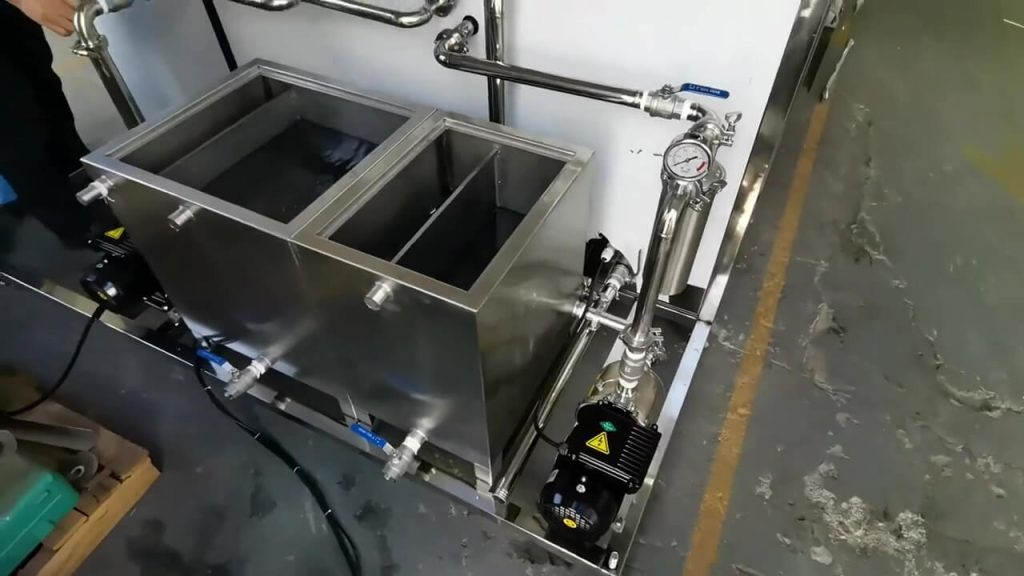
Ultrasonic Cleaner with Filtration System
Safety Considerations for Solution Selection
Cleaning solution chemistry impacts operator safety, environmental compliance, and workplace health considerations.
Skin contact protection requires appropriate gloves when handling concentrated solutions or reaching into cleaning tanks. Alkaline and acidic formulations can cause skin irritation or chemical burns. Even mild solutions may cause dermatitis through repeated exposure.
Vapor exposure from heated ultrasonic tanks releases solution vapors into workplace air. Adequate ventilation prevents buildup of vapors that could cause respiratory irritation or represent long-term health concerns. Ammonia-based formulations particularly require good ventilation.
Solution disposal must comply with local environmental regulations. Spent cleaning solutions contain removed contamination including oils, metals, and chemical residues. Many jurisdictions classify used industrial cleaning solutions as regulated waste requiring proper disposal through licensed waste management contractors.
Material Safety Data Sheets for all cleaning solutions should be maintained and available to workers. These documents specify hazards, handling procedures, first aid measures, and disposal requirements. Employees must receive training on safe handling practices before working with ultrasonic cleaning equipment and solutions.
Cost Analysis of Solutions Versus Performance
The expense of proper cleaning solutions represents a worthwhile investment when weighed against performance benefits and total operating costs.
Solution cost per cleaning cycle typically represents a small fraction of total operational expense. A jewelry store using five dollars of solution per week gains dramatic time savings and superior results compared to manual polishing. The labor savings alone justify solution costs many times over.
Improved cleaning quality from proper solutions reduces reject rates, rework, and warranty claims in manufacturing applications. Parts that meet cleanliness specifications the first time eliminate the costs of reprocessing, inspection, and potential field failures from inadequate cleaning.
Extended equipment life results from proper solution use that prevents contamination buildup inside ultrasonic tanks and on transducer surfaces. Tanks operated with correct chemistry remain cleaner and require less maintenance compared to units run with water alone where contamination accumulates rapidly.
Reduced processing time from effective solutions increases throughput in commercial operations. A dental office that processes instruments in half the time can handle more patient appointments. A manufacturing operation that cleans parts faster can increase production without adding equipment.
Attempting to save money by eliminating cleaning solutions or using inadequate substitutes proves counterproductive in virtually every application. The minor savings in solution cost creates much larger expenses through poor cleaning results, wasted time, and potential equipment damage.