 Granbo Sonic












Do Ultrasonic Jewelry Cleaners Remove Tarnish?
Browse Volume:25 Classify:Support
Yes, ultrasonic jewelry cleaners can remove silver tarnish and some surface oxidation when used with a professional cleaning solution formulated for the specific metal. Plain water or a standard detergent can remove dirt, oil, makeup, and polishing residue, but these liquids usually do not remove a chemically bonded tarnish layer from silver or oxidation from a jewelry alloy.
The result depends on three factors: the type of surface deposit, the cleaning chemistry, and the condition of the jewelry. A professional silver-cleaning solution can brighten tarnished sterling silver in an ultrasonic bath. However, ultrasonic cleaning cannot rebuild metal lost through corrosion, restore worn plating, fill pits, or repair scratches and surface damage that remain after the tarnish has been removed.
Professional ultrasonic jewelry-cleaning systems use aqueous detergents and specialized metal-cleaning solutions to remove oils, polishing residues, waxes, tarnish, oxidation, and other surface deposits. The ultrasonic cleaner provides acoustic cavitation, while the chemical solution performs the specific cleaning or deoxidizing action.
For jewelry, the process must also account for gemstones, coatings, solder joints, plating, adhesives, and decorative finishes. A solution that brightens solid sterling silver may damage pearls, porous gemstones, plated surfaces, treated stones, or intentional darkened finishes.
What Ultrasonic Cleaning Can Remove from Jewelry

jewelry
Surface Dirt and Organic Residue
Ultrasonic cleaning is effective at removing contamination that is attached to the jewelry surface but can be loosened by cleaning chemistry and acoustic cavitation. Common examples include skin oil, fingerprints, makeup, lotion, soap residue, dust, polishing compound, and loose particles trapped around settings.
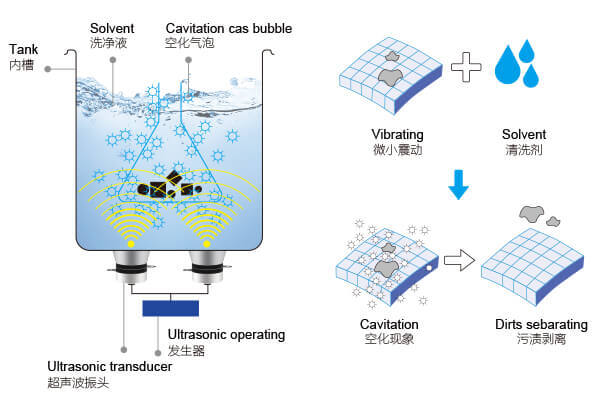
An ultrasonic cleaner uses transducers to generate high-frequency pressure waves in the cleaning liquid. These waves create and collapse microscopic bubbles through a process known as acoustic cavitation. Bubble collapse produces localized turbulence, shear forces, and liquid microjets near solid surfaces.
These effects help the cleaning solution reach chain links, prongs, grooves, clasps, and the underside of gemstone settings. The process is useful for removing contamination from areas that are difficult to clean with a cloth or soft brush.
Removing oil and dirt can make jewelry look brighter because more light reflects from the metal and gemstones. This visual improvement does not necessarily mean that tarnish or oxidation has been chemically removed.
Silver Tarnish and Surface Oxidation
Silver tarnish is a chemical surface layer rather than ordinary dirt. It consists mainly of silver sulfide, which forms when silver reacts with sulfur-containing compounds in the environment. The tarnish may appear yellow, brown, gray, or black depending on its thickness and condition.
Plain water and general-purpose detergent may remove surface contamination from silver, but they usually do not remove a bonded silver sulfide layer. A professional silver-cleaning or precious-metal cleaning solution may provide the chemical action required to brighten tarnished silver during ultrasonic cleaning.
Some gold jewelry can also develop surface discoloration because gold jewelry is often made from an alloy containing silver, copper, or other metals. The visible change may result from oxidation of the alloying metals, residue accumulation, or surface wear rather than tarnishing of pure gold itself.
Silver-plated, gold-plated, and rhodium-plated jewelry require additional caution. The visible surface may be a thin coating over another metal, and chemical cleaning or repeated ultrasonic treatment may affect the coating if it is worn, damaged, or poorly bonded.
Why Professional Cleaning Chemistry Matters
This creates an important technical distinction: the ultrasonic cleaner provides acoustic cavitation, while the specialized cleaning solution performs the chemical action needed to loosen or remove tarnish and oxidation.
A mild detergent may remove oil and dirt but have little effect on silver sulfide. A professional silver-cleaning solution may brighten tarnished silver but may be unsuitable for gold plating, rhodium plating, gemstones, solder, or adhesive-mounted components.
The solution must therefore be selected according to the actual jewelry material. A product designed for solid sterling silver should not automatically be used on plated jewelry, mixed-metal jewelry, or jewelry containing sensitive stones.
How Ultrasonic Jewelry Cleaning Removes Tarnish
The Principle Behind Ultrasonic Cleaning
Acoustic Cavitation
An ultrasonic cleaner uses a generator and transducers to transmit high-frequency pressure waves through the cleaning liquid. Under suitable operating conditions, microscopic cavitation bubbles form and collapse throughout the bath.
The collapse of these bubbles produces localized liquid forces that help detach dirt, films, and loosened oxidation products from exposed surfaces. The effect can reach narrow areas beneath a ring setting, between chain links, and around the back of a pendant.
Acoustic cavitation is the primary ultrasonic cleaning mechanism. It should not be described as mechanical stirring. If a machine includes a separate pump, spray system, or mechanical circulation feature, that function operates independently from ultrasonic cleaning.
Cleaning performance depends on frequency, acoustic power, tank geometry, liquid level, temperature, solution chemistry, and jewelry position. Higher power is not automatically better because excessive mechanical exposure may damage fragile settings, coatings, or treated gemstones.
Specialized Cleaning Solutions
The cleaning solution determines whether the process can affect silver tarnish, oxidation, or another surface deposit. A general detergent may loosen body oils and cosmetic residue but leave silver sulfide unchanged.
A professional precious-metal cleaning solution may contain chemistry intended to brighten or deoxidize silver, gold, platinum, or specific jewelry alloys. The product must be used within the manufacturer’s recommended concentration, temperature, and contact time.
Increasing the concentration or temperature may accelerate the cleaning reaction, but it can also increase the risk of discoloration, plating damage, corrosion, surface etching, and damage to gemstones or adhesives.
Material Compatibility
Jewelry is rarely made from one material. A silver ring may contain solder, rhodium plating, a gemstone, an adhesive, an intentional darkened finish, or a decorative coating. Each component may react differently to the same solution.
GIA warns that ultrasonic cleaning can damage gemstones with filled surface-reaching fractures, organic materials, coated stones, and gemstones sensitive to heat or temperature changes. It also recommends checking that gemstones are securely mounted before and after cleaning. See Ultrasonic Cleaners for Gems: What You Need to Know (Professional Organization Guidance).
A professional tarnish-removal solution may be suitable for a bare precious-metal surface but unsuitable for pearls, coral, opal, turquoise, emerald, glued stones, or antique jewelry. The most sensitive component should determine the cleaning method for the complete piece.
Which Jewelry Requires Special Caution?
Jewelry
Silver-Plated and Gold-Plated Jewelry
Plated jewelry contains a thin surface layer over a different base metal. Tarnish-removal chemistry, polishing, repeated immersion, heat, and acoustic cavitation may affect the plating, especially when the layer is thin, worn, or damaged.
The Canadian Conservation Institute warns that tarnish removal can damage silver-plated objects because the plating may be thin.
If the jewelry has exposed base metal, peeling plating, intentional darkening, or a fragile decorative finish, the desired final appearance should be determined before cleaning. Removing all dark material may be inappropriate if the dark finish is part of the design.
Gemstones and Treated Materials
Pearls, coral, amber, ivory, shell, tortoiseshell, jet, and other organic or porous materials should generally not be placed in an ultrasonic cleaner. Heat, chemicals, immersion, and acoustic cavitation can damage these materials.
Emeralds, opals, turquoise, lapis lazuli, malachite, and other gemstones may contain fractures, oils, resins, coatings, or porous structures. GIA advises against ultrasonic cleaning for many of these materials, including gemstones with filled surface-reaching fractures and stones treated with oil, plastic, or wax.
The presence of tarnish on the metal does not justify exposing a sensitive gemstone to an ultrasonic bath. If necessary, the metal should be cleaned with a method that avoids the gemstone, or the jewelry should be handled by a professional.
Antique, Hollow, and Mixed-Material Jewelry
Antique jewelry may contain aged solder, thin metal, hollow sections, previous repairs, loose settings, and nonmetallic attachments. Immersion and ultrasonic cleaning may introduce liquid into areas that are difficult to rinse or dry.
Hollow jewelry can retain cleaning solution and loosened residue. If the liquid is not removed completely, the residue may continue to affect the metal after cleaning. Hollow components should be inspected for openings, trapped liquid, and signs of leakage.
Jewelry containing enamel, leather, wood, textile elements, adhesives, or glued decorative parts should be evaluated conservatively. The most sensitive material should determine the cleaning method.
How to Use an Ultrasonic Cleaner for Tarnished Jewelry

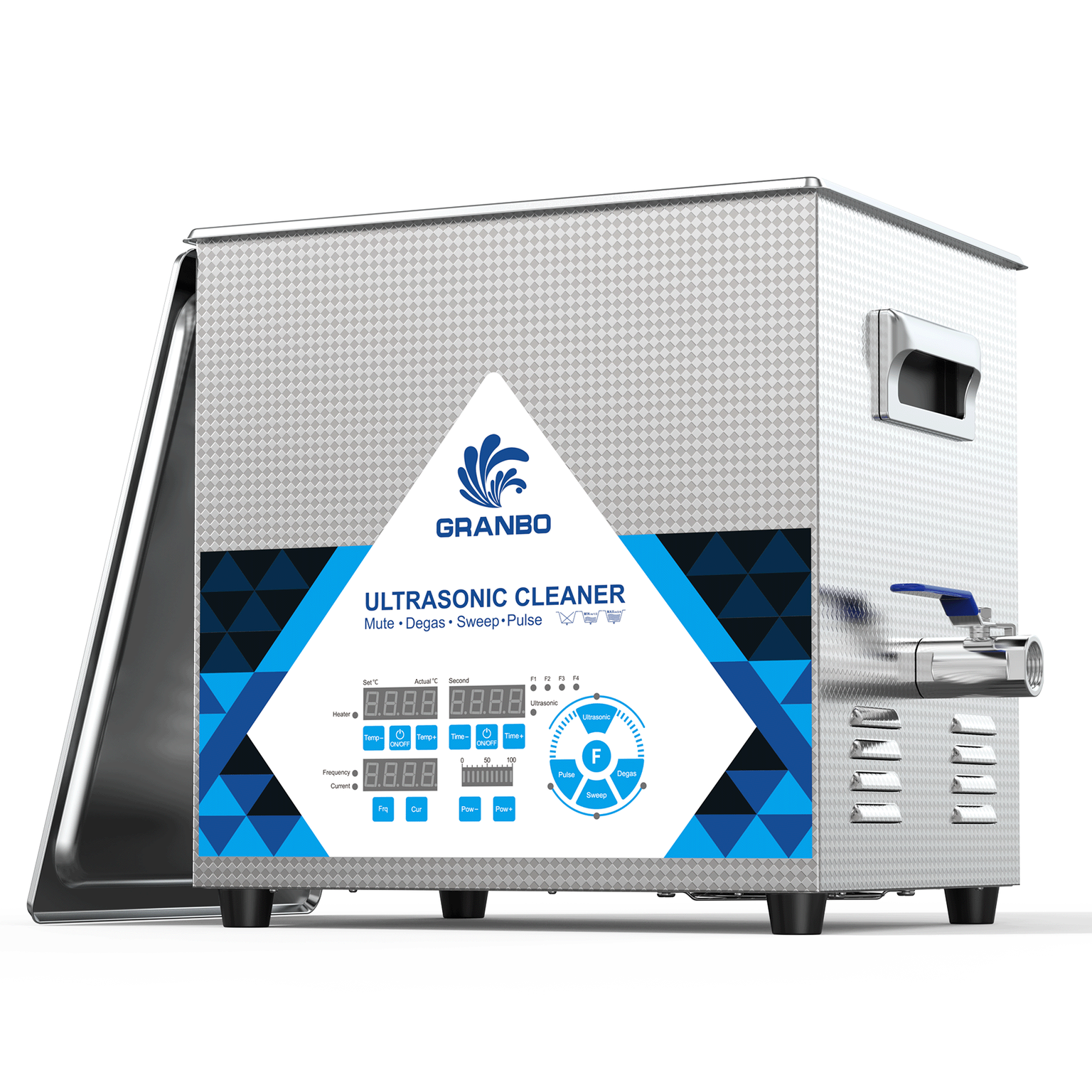
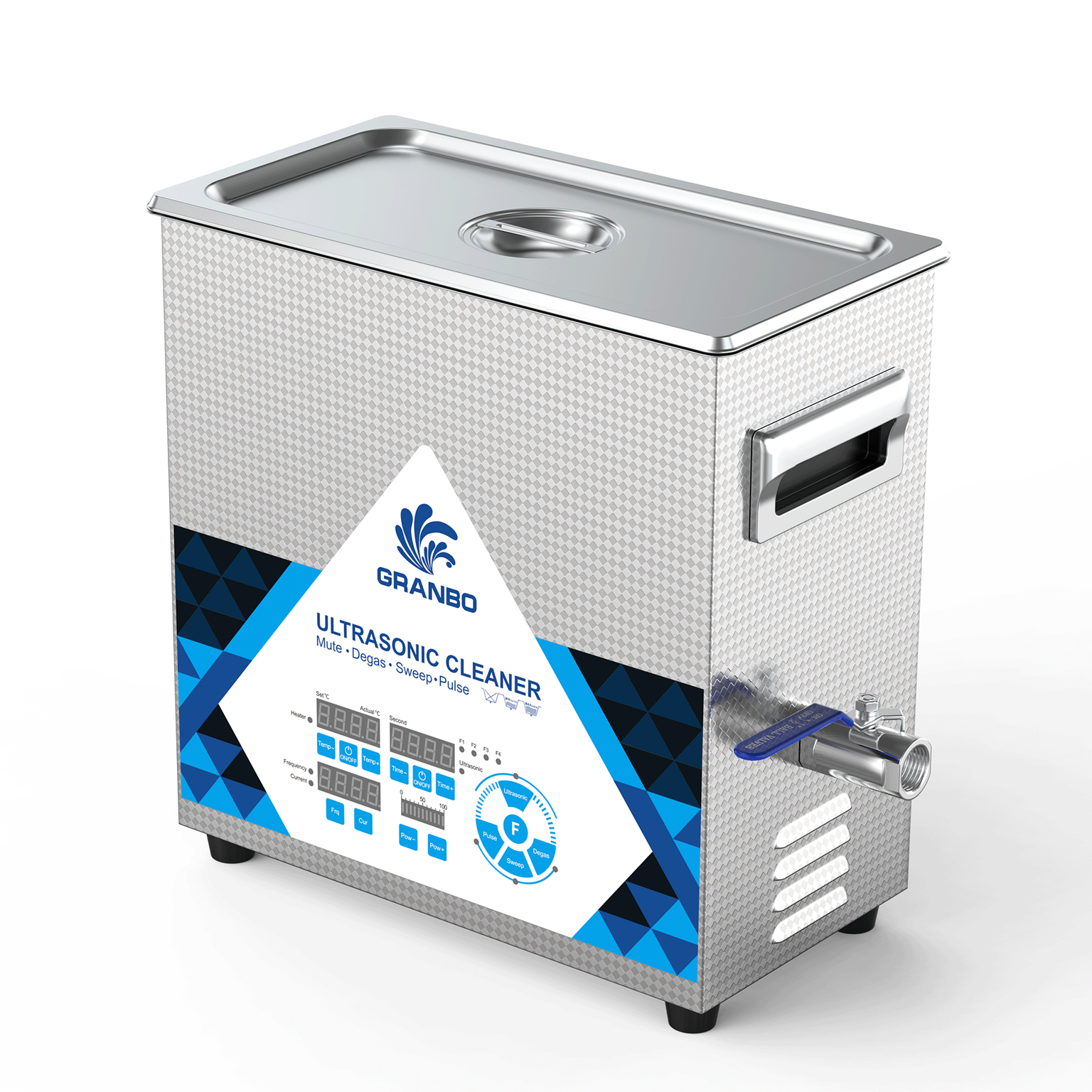
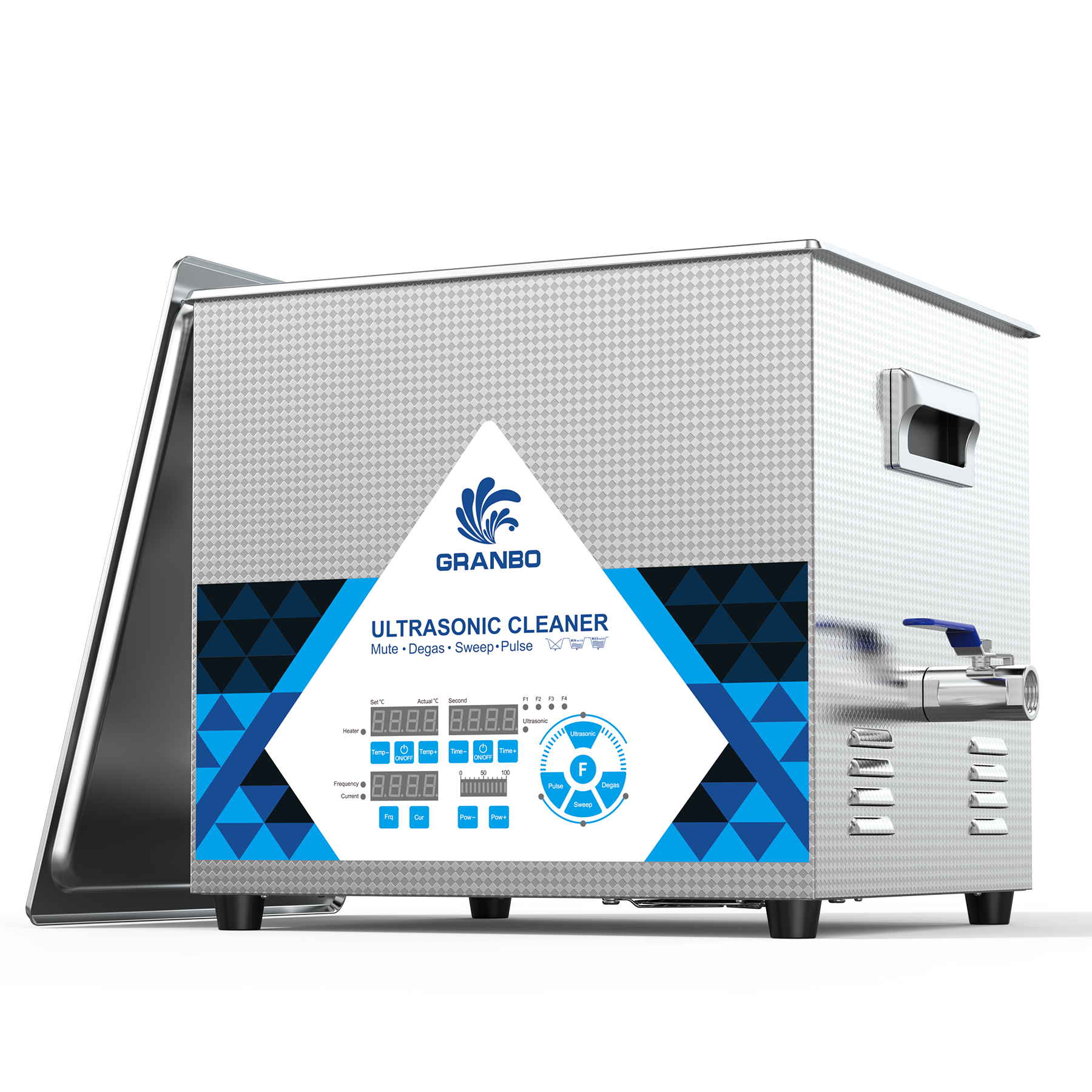
Granbo GL Series Ultrasonic Cleaner
Inspection Before Cleaning
Identify the metal, plating, gemstones, treatments, and construction method as far as possible. Inspect the jewelry under bright lighting for loose stones, worn prongs, cracked metal, damaged clasps, peeling plating, and nonmetallic components.
Determine whether the dark material is removable dirt, silver tarnish, oxidation of an alloy, intentional patina, or permanent surface damage. If the surface condition is uncertain, professional inspection should take place before cleaning.
Jewelry that contains unknown gemstones or treatments should not be placed in a tarnish-removal solution or ultrasonic cleaner without evaluation. A specialized brightening solution may be more chemically active than a standard detergent.
Cleaning Solution and Process Control
Use a professional cleaning solution designed for the specific jewelry metal and compatible with ultrasonic equipment. Follow the product instructions for concentration, temperature, contact time, and rinsing.
Do not assume that a silver brightener is suitable for gold-plated, rhodium-plated, aluminum, copper-alloy, or mixed-metal jewelry. The product should also be checked for compatibility with solder, gemstones, coatings, and adhesives.
Place the jewelry in a basket rather than directly on the tank bottom. Avoid stacking pieces or allowing them to strike one another. Use the shortest effective cleaning cycle and observe the surface during the process when the chemical instructions require visual monitoring.
Rinsing, Drying, and Inspection After Cleaning
Rinse the jewelry thoroughly with clean water after treatment. Chemical residues left in crevices can continue to react with the metal or affect gemstones and coatings.
Dry the jewelry with a soft, lint-free cloth or another approved method. Hollow jewelry and complex settings may require additional drying to remove retained solution.
Inspect the piece after drying. Check for remaining tarnish, discoloration, plating loss, loose stones, roughness, and changes in the surface finish. A brighter appearance does not confirm that the structure or plating remains intact.
Why Tarnish May Remain After Cleaning
Some tarnish deposits are too thick, chemically stable, or deeply bonded for a single ultrasonic cycle. Tarnish may also remain in textured engravings, deep crevices, recessed settings, or intentional antique finishes.
The cleaning chemistry must match the specific metal and deposit. A standard jewelry detergent may remove body oils and skin residue while leaving silver sulfide unchanged. A professional silver formulation may brighten tarnished silver but may not be suitable for gold plating, rhodium plating, gemstones, or mixed-metal jewelry.
Inadequate rinsing can create a misleading appearance. Trapped chemical residue may dry into a dull haze or streaky film, making it difficult to determine whether the remaining discoloration is tarnish or dried cleaning solution.
Do not run repeated ultrasonic cycles without reassessing the jewelry. If the initial treatment does not produce the expected result, check the metal, surface deposit, solution, concentration, temperature, exposure time, and condition of the piece.
When Manual or Professional Cleaning Is Better
Manual cleaning with warm water, a compatible mild detergent, and a soft brush may be sufficient for light dirt and surface oil. It is often safer for delicate gemstones, plated jewelry, antique finishes, and items with unknown treatment histories.
A polishing cloth or approved silver-cleaning product may be appropriate for light tarnish on solid silver when no sensitive stones or coatings are present. However, polishing removes some surface material and may reduce fine details or wear through plating if used repeatedly.
Professional cleaning is recommended for valuable, antique, treated, plated, repaired, or structurally complex jewelry. A jeweler can identify gemstones, inspect settings, select suitable chemistry, remove tarnish or oxidation, and determine whether the remaining marks are removable deposits or permanent surface damage.
For historic or conservation-sensitive objects, treatment should preserve original material and intentional surface features. The Canadian Conservation Institute explains that tarnish removal can remove some underlying silver and should not be performed repeatedly without considering the effect on the object. See Silver – Care and Tarnish Removal – Canada.ca (Government Conservation Guidance).