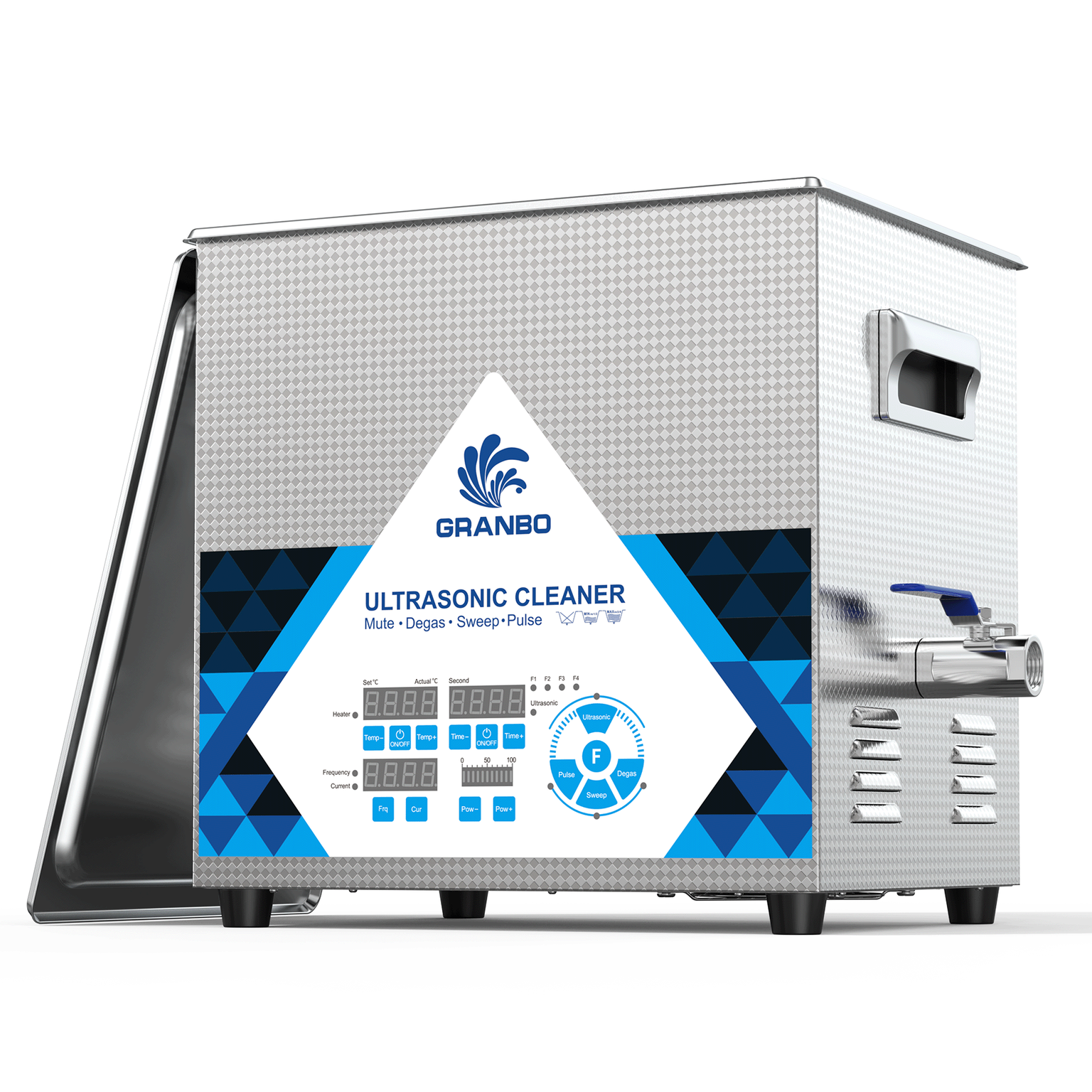
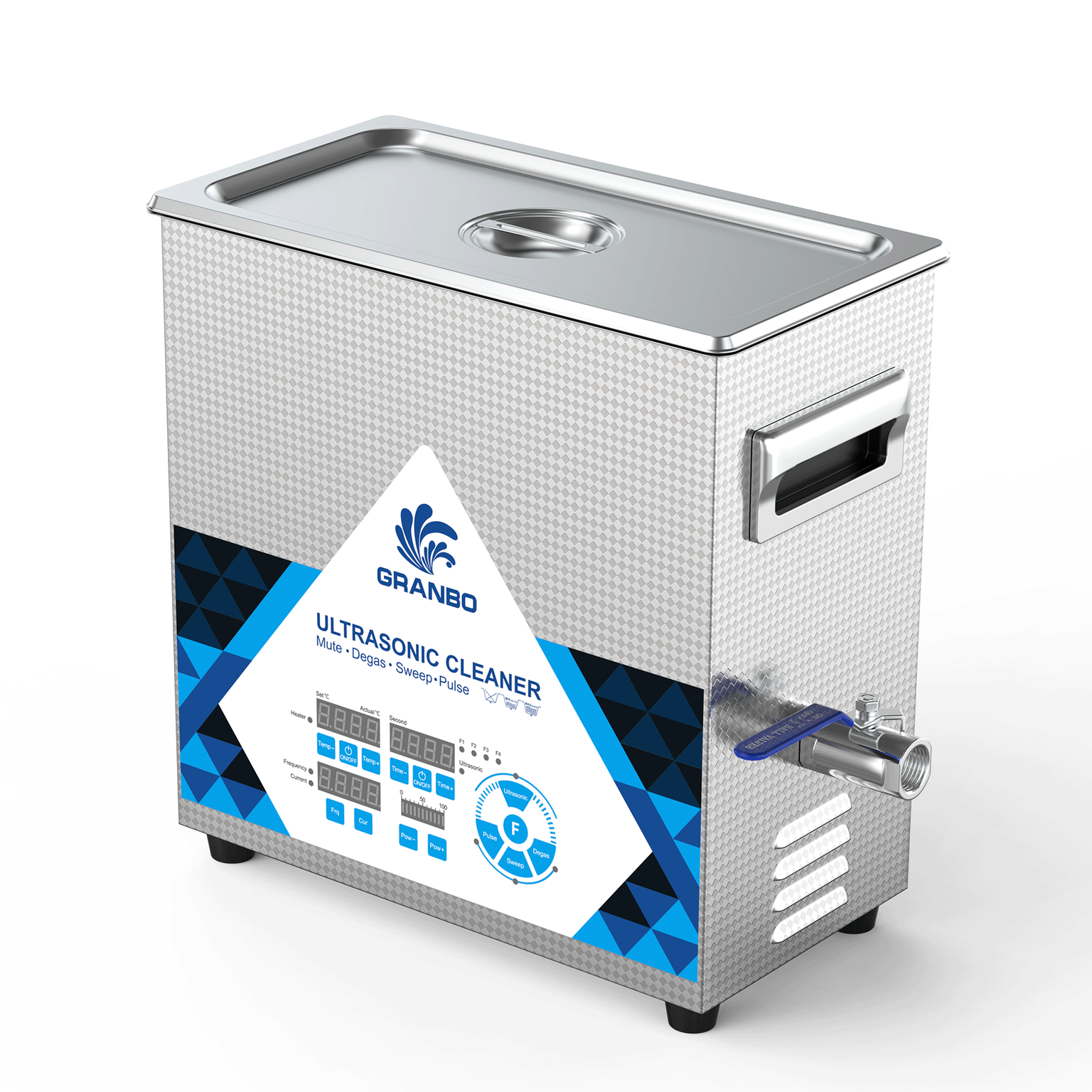
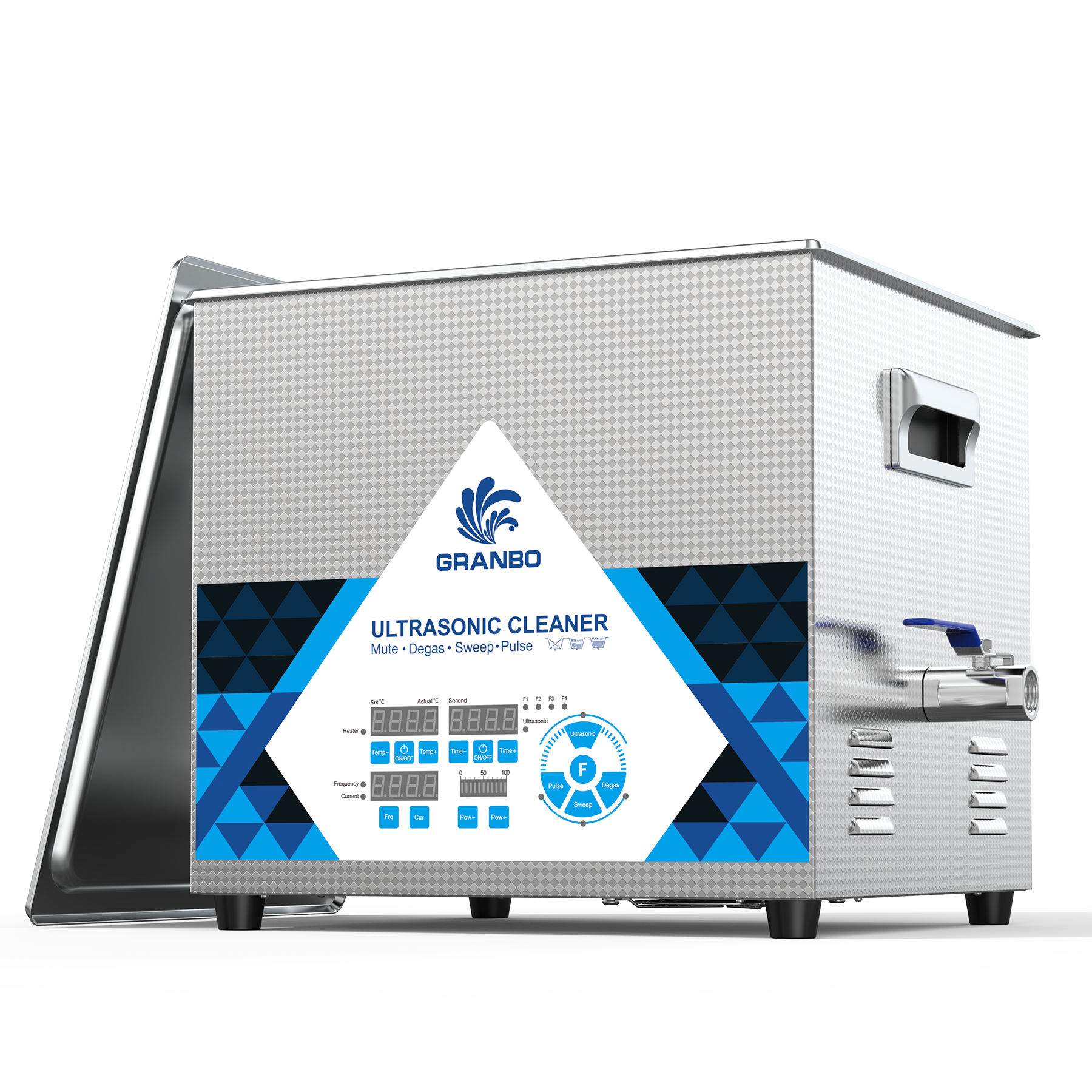
 Granbo Sonic











Ultrasonic Cleaners and Silver: Effectiveness, Safety, and Professional Application
Browse Volume:52 Classify:Support
Ultrasonic cleaners generate high-frequency sound waves that create microscopic cavitation bubbles throughout a liquid cleaning medium. These bubbles form during low-pressure phases of the ultrasonic wave cycle and collapse violently during high-pressure phases, producing intense localized cleaning action. The cavitation process reaches into microscopic surface irregularities, crevices, and decorative details that manual cleaning methods cannot effectively access.
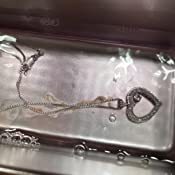
Granbo ultrasonic Jewelry Cleaning
The technology operates at frequencies typically ranging from 40 kHz to 80 kHz for jewelry and precious metal applications. At these frequencies, cavitation bubble size optimizes for penetrating intricate metalwork, chain links, and engraved surfaces without generating excessive mechanical force that might damage delicate components. The cleaning action occurs uniformly throughout the solution volume, treating all submerged surfaces simultaneously regardless of geometric complexity.
Precious metals including silver benefit substantially from ultrasonic cleaning due to their physical properties and typical applications in decorative items with complex geometries. The non-abrasive nature of cavitation preserves metal surfaces while removing accumulated soil, oxidation products, and organic residues. Professional jewelers, restoration specialists, and manufacturing facilities rely extensively on ultrasonic technology for silver maintenance and finishing operations.
How Silver Responds to Ultrasonic Cleaning
Silver demonstrates excellent compatibility with ultrasonic cleaning processes when proper protocols are followed. The metal’s physical characteristics contribute to successful treatment outcomes across various applications and item types.
Physical Properties of Silver
Pure silver and sterling silver alloys possess sufficient hardness and structural integrity to withstand the mechanical forces generated by cavitation without surface damage or dimensional changes. The Mohs hardness of silver ranges from 2.5 to 3, which places it among softer metals but still well above the threshold where cavitation could cause material removal or surface pitting under normal operating conditions.
The ductile nature of silver allows it to absorb mechanical energy without brittle fracture. Unlike harder but more brittle materials that might chip or crack under repeated stress cycles, silver flexes microscopically and returns to its original state. This property makes silver items particularly well-suited to regular ultrasonic cleaning as part of routine maintenance programs.
Silver’s thermal conductivity facilitates rapid temperature equilibration with the cleaning solution. This characteristic prevents thermal stress that could occur if temperature gradients developed within the metal during heated ultrasonic cycles. The uniform temperature distribution throughout silver items contributes to consistent cleaning results and eliminates risk of thermal distortion.
Surface Condition Impact
Polished silver surfaces respond exceptionally well to ultrasonic cleaning, emerging with restored brilliance after removal of surface films and micro-contaminants. The cavitation action lifts particles from smooth surfaces without creating scratches or swirl marks that mechanical polishing methods often produce. Mirror-finished silver items maintain their reflective quality through repeated ultrasonic treatments when appropriate solutions are used.
Textured or matte silver finishes similarly benefit from ultrasonic cleaning. The cavitation penetrates into the microscopic valleys of textured surfaces where manual cleaning tools cannot reach effectively. This penetration removes embedded particles that dull textured finishes, restoring the intended visual contrast between high and low surface areas.
Heavily tarnished silver presents greater challenges but still responds effectively to ultrasonic treatment when combined with appropriate chemical cleaning agents. The mechanical action of cavitation accelerates the chemical reactions that convert or dissolve tarnish layers, significantly reducing the time required compared to chemical treatment alone. Multiple cycles may be necessary for extremely heavy tarnish accumulation.
Types of Silver Items Suitable for Ultrasonic Treatment
Understanding which silver items benefit from ultrasonic cleaning and which require alternative approaches ensures optimal results while preventing potential damage to vulnerable pieces.
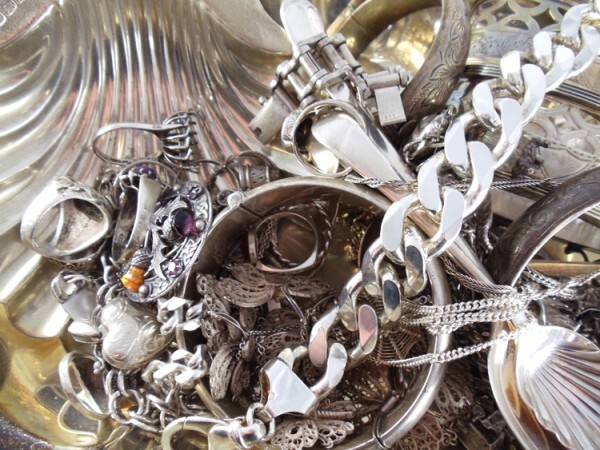
Silver Jewelry
Sterling Silver Applications
Solid sterling silver jewelry including rings, bracelets, necklaces, and earrings represents the ideal application for ultrasonic cleaning technology. The uniform alloy composition and robust construction of quality jewelry pieces withstand the cleaning process without concern. Intricate designs with filigree work, granulation, or complex chain construction achieve superior cleanliness through ultrasonic treatment compared to any manual method.
Sterling silver flatware and serving pieces clean effectively in appropriately sized ultrasonic tanks. The combination of cavitation action and mild detergent solutions removes tarnish, food residues, and accumulated grime from decorative handles, textured patterns, and the junction between handles and functional components. Commercial and institutional kitchens increasingly adopt ultrasonic cleaning for silver service maintenance due to time efficiency and consistent results.
Silver coins and medallions benefit from ultrasonic cleaning when preservation of original surfaces is desired. Numismatic applications require careful consideration of solution chemistry and exposure time to avoid removing desirable patina, but the gentle mechanical action of cavitation removes surface contamination without the abrasion that manual cleaning introduces. Professional coin conservation frequently incorporates ultrasonic technology for this reason.
Silver-Plated Items
Silver-plated objects require more careful evaluation before ultrasonic cleaning. High-quality electroplated items with thick, well-bonded silver layers tolerate ultrasonic treatment similar to solid silver pieces. The cavitation does not generate sufficient force to separate properly applied plating from base metal substrates. Modern electroplated jewelry and decorative items manufactured to contemporary quality standards generally prove suitable for ultrasonic cleaning.
Antique or worn silver plate where the plating layer has become thin or shows areas of base metal exposure requires cautious approach. While ultrasonic cleaning will not remove intact plating, existing areas of delamination or lifting may experience accelerated deterioration. Visual inspection before cleaning identifies pieces where plating integrity has been compromised, allowing informed decisions about cleaning method selection.
Lower-quality plated items with poorly bonded silver layers or very thin deposits may experience plating separation during ultrasonic treatment. The cavitation can exploit weaknesses at the plating-substrate interface, causing the silver layer to lift. Testing inconspicuous areas before full cleaning or choosing alternative methods for suspect pieces prevents unintended damage.
Antique and Decorative Pieces
Antique silver items deserve individual assessment before ultrasonic cleaning. Many antique pieces incorporate construction techniques, materials, or decorative elements that may not tolerate ultrasonic treatment. Pieces assembled with low-temperature solders, hide glue, or other adhesives could experience joint failure if the adhesive material softens or dissolves in the cleaning solution.
Decorative silver items with applied elements such as enamel work, niello inlay, or set gemstones require evaluation of all components, not just the silver substrate. The silver portions may tolerate ultrasonic cleaning perfectly while other materials present vulnerabilities. Understanding the complete construction of complex pieces prevents unintended damage to non-silver components.
Silver items with intentional patina or oxidized finishes need preservation of these surface treatments. Some decorative pieces feature deliberately darkened recesses that provide visual contrast with polished high points. Overly aggressive ultrasonic cleaning with strong chemical solutions can remove these intentional finishes. Adjusting cleaning parameters or solution chemistry preserves desired surface characteristics while removing unwanted contamination.
Tarnish Removal and Surface Restoration
The primary motivation for cleaning silver involves removing tarnish that develops through chemical reaction with atmospheric sulfur compounds. Understanding tarnish formation and removal mechanisms optimizes ultrasonic cleaning effectiveness.
Chemical Nature of Tarnish
Silver tarnish consists primarily of silver sulfide formed when silver reacts with hydrogen sulfide or other sulfur-containing compounds in the environment. The reaction produces a dark layer that initially appears yellowish, progresses through brown and purple phases, and eventually becomes black with heavy accumulation. The sulfide layer adheres firmly to the silver surface and grows progressively thicker over time.
Unlike simple surface contamination that physical cleaning alone can remove, silver sulfide requires chemical conversion or dissolution. Pure mechanical action, even the vigorous cavitation from ultrasonic cleaners, cannot effectively remove established tarnish layers without chemical assistance. This fundamental characteristic of tarnish necessitates combined chemical and physical cleaning approaches for optimal results.
Combined Chemical and Physical Action
Ultrasonic cleaning achieves superior tarnish removal by combining chemical conversion agents with cavitation action. Cleaning solutions containing mild acids, chelating agents, or specialized silver cleaning compounds react with silver sulfide to convert it back to metallic silver or dissolve it into the solution. The ultrasonic cavitation continuously disrupts the reaction boundary layer, exposing fresh tarnish surface to the cleaning chemistry and carrying away dissolved reaction products.
This synergistic effect reduces the time and chemical concentration required compared to chemical cleaning alone. A mildly active solution assisted by ultrasonic energy often accomplishes in three to five minutes what might require fifteen to twenty minutes of soaking without ultrasonic assistance. The reduced exposure time and milder chemistry minimize any risk to the silver while improving process efficiency.
The mechanical disruption of tarnish layers through cavitation also creates microscopic fractures in heavy sulfide deposits. These fractures allow cleaning solution to penetrate beneath the tarnish layer, attacking it from both surfaces simultaneously. This dual-sided attack accelerates removal of stubborn tarnish that would resist surface-only chemical treatment.
Proper Operating Parameters for Silver Cleaning
Achieving optimal results while ensuring silver item safety requires attention to specific operating parameters during ultrasonic cleaning cycles. Manufacturers design equipment with adjustable settings that accommodate different materials and cleaning requirements.
Frequency Selection
For most silver jewelry cleaning applications, 40 kHz ultrasonic frequency provides the best balance between cleaning effectiveness and material safety. This frequency generates cavitation strong enough to remove dirt, oils, polishing compounds, and light tarnish while remaining gentle on intricate silver jewelry. As a result, 40 kHz is the most widely used frequency in both household and professional jewelry ultrasonic cleaners.
Lower frequencies, typically between 20 kHz and 28 kHz, produce larger cavitation bubbles with greater collapse energy. These frequencies are primarily used for industrial cleaning applications, including heavy grease removal, carbon deposits, and cleaning durable metal parts. While highly effective for stubborn contamination, they may be too aggressive for delicate silver jewelry and finely detailed pieces.
Higher frequencies, generally ranging from 68 kHz to 120 kHz, create smaller cavitation bubbles that deliver a gentler cleaning action. These frequencies are well suited for delicate silver items, intricate filigree work, and precision cleaning applications where minimizing surface stress is important. Although cleaning may take slightly longer, higher frequencies can reach fine details and narrow crevices more effectively.
Professional ultrasonic cleaning systems may offer selectable or multi-frequency operation, allowing users to choose the most appropriate frequency based on the item’s design, condition, and cleaning requirements. For most silver jewelry owners, however, a 40 kHz ultrasonic cleaner remains the preferred choice due to its excellent balance of cleaning power, efficiency, and safety.

Temperature Control
Ultrasonic cleaning effectiveness generally improves with increasing temperature up to an optimal range specific to the cleaning solution chemistry. For silver cleaning applications, solution temperatures between 50°C and 60°C typically provide the best balance of enhanced chemical activity and improved cavitation intensity without risking thermal damage to items or degradation of cleaning solution components.
Elevated temperature reduces solution viscosity, allowing cavitation bubbles to form and collapse more readily. The increased molecular activity at higher temperatures also accelerates chemical reactions between cleaning agents and tarnish or other contaminants. Many ultrasonic cleaners incorporate heating elements to maintain optimal temperature throughout the cleaning cycle.
Excessive temperature above 70°C may degrade some cleaning solution components, reduce dissolved gas content that contributes to cavitation initiation, and potentially soften adhesives or low-melting-point solders in assembled silver items. Temperature control within the recommended range prevents these issues while maximizing cleaning performance.
Some delicate applications benefit from room temperature or slightly warmed solutions around 30°C to 40°C. While cleaning efficiency decreases compared to higher temperatures, the gentler conditions provide an additional safety margin for questionable items or when conservative treatment is desired. Extending cycle duration compensates for reduced temperature-enhanced activity.
Cycle Duration
Typical silver cleaning cycles run between three and ten minutes depending on soil level, tarnish severity, and item characteristics. Light tarnish and routine maintenance cleaning often achieve excellent results in three to five minutes. Moderate tarnish or items with complex geometry that slows penetration of cleaning solution may require six to eight minutes for complete treatment.
Heavy tarnish accumulation sometimes necessitates extended cycles up to ten to twelve minutes or multiple sequential cycles with fresh solution. Monitoring items during the cleaning process allows determination of when satisfactory results have been achieved. Removing items for inspection after the initial cycle, then continuing if necessary, prevents unnecessary exposure while ensuring complete cleaning.
Excessively long continuous cycles provide diminishing returns and may unnecessarily stress items without improving results. Cleaning solution effectiveness typically peaks within the first five to ten minutes as active chemical components deplete and the solution becomes saturated with dissolved contaminants. Refreshing the solution between cycles maintains effectiveness during extended treatments.
Solution Selection and Chemical Compatibility
The liquid medium in ultrasonic cleaners serves dual purposes as the sound wave transmission medium and the chemical cleaning agent. Solution selection significantly impacts both cleaning effectiveness and silver safety.
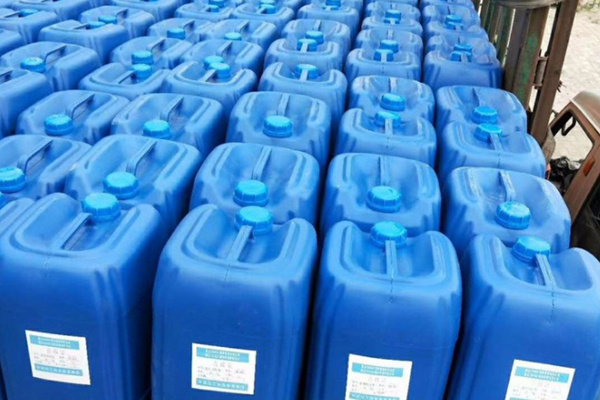
Cleaning Agent
Water-Based Solutions
Plain distilled or deionized water provides the fundamental medium for ultrasonic cleaning with minimal chemical activity. Water alone allows the physical cavitation action to remove loose particles, fresh tarnish, and light surface contamination. This approach suits situations requiring the gentlest possible treatment or when chemical residues must be absolutely avoided.
Mild dish detergent solutions, created by adding several drops of quality liquid detergent per liter of water, enhance cleaning performance while maintaining excellent safety for silver items. The surfactants in detergent reduce surface tension, improve wetting of silver surfaces, and help suspend removed soil particles in solution to prevent redeposition. This combination provides effective general cleaning for lightly tarnished pieces.
Alkaline solutions containing small amounts of sodium carbonate or sodium bicarbonate create mildly basic conditions that assist in removing organic residues and some types of surface films. The alkaline environment also helps prevent re-tarnishing during the cleaning cycle by neutralizing acidic compounds. Concentration should remain low, typically 1 to 2 percent, to avoid excessive chemical activity that might affect special surface finishes.
Specialized Silver Cleaning Formulas
Purpose-formulated ultrasonic silver cleaning concentrates deliver optimized performance through balanced combinations of surfactants, chelating agents, mild acids or bases, and tarnish removal components. These professional solutions dilute at specified ratios to produce working strength liquids engineered for maximum effectiveness at safe pH levels and chemical concentrations.
Thiourea-based formulas provide rapid tarnish removal through chemical reduction that converts silver sulfide back to metallic silver. These solutions work synergistically with ultrasonic cavitation to achieve superior results on heavily tarnished items. Proper dilution and exposure time control prevent over-aggressive action that might remove intentional oxidized finishes in decorative recesses.
Ammonia-containing solutions effectively remove tarnish and organic residues but require careful use due to the relatively harsh chemical environment. Low-concentration ammonia formulas designed specifically for ultrasonic silver cleaning balance effectiveness with safety. Higher concentrations or prolonged exposure should be avoided, as ammonia can attack some silver alloys over time or damage certain gemstones if present in the item.
Enzymatic cleaners formulated for jewelry applications break down organic contaminants including oils, proteins, and cosmetic residues without aggressive chemistry. These solutions prove particularly effective for silver jewelry worn regularly, as they remove body oils and product buildup that combine with tarnish to create stubborn surface films. The enzymatic action complements ultrasonic cavitation for comprehensive cleaning of worn items.
Solutions to Avoid
Strong acids including hydrochloric, sulfuric, or concentrated nitric acid should never be used in ultrasonic cleaning of silver. While these chemicals can remove tarnish, they may also attack the silver itself, dissolve beneficial alloying elements, or create surface conditions that accelerate future tarnishing. The violent chemical activity combined with ultrasonic energy creates excessive material stress.
Chlorine bleach or solutions containing sodium hypochlorite can damage silver through chemical attack and should be avoided. The chlorine compounds may react with silver to form silver chloride or create surface conditions that promote corrosion. Many common household cleaners contain bleach and are unsuitable for silver ultrasonic cleaning despite seeming harmless.
Petroleum-based solvents or harsh organic solvents pose safety risks in ultrasonic cleaners due to flammability and vapor toxicity concerns. While these materials may effectively dissolve certain types of contamination, they create unacceptable hazards when subjected to ultrasonic heating and agitation in typical equipment not designed for solvent use. Water-based solutions provide adequate cleaning without these risks.
Potential Risks and Material Considerations
While silver itself tolerates ultrasonic cleaning well, many silver items incorporate additional materials or construction features that require evaluation before treatment. Recognizing potential vulnerability prevents unintended damage.
Gemstone Concerns
Silver jewelry often features set gemstones that may not tolerate ultrasonic cleaning despite the silver mounting being perfectly compatible. Porous or fractured stones including emeralds, opals, pearls, turquoise, and lapis lazuli can experience damage from the cavitation forces or absorb cleaning solution that alters their appearance. The mechanical vibration may also exploit existing fractures in stones, extending cracks or causing complete failure.
Stones set with adhesives rather than mechanical prongs or bezels present particular risk. Ultrasonic cavitation can weaken or dissolve many adhesive types, especially when combined with warm cleaning solutions. The vibration may work stones loose even if the adhesive itself remains intact. Visual inspection for adhesive-set stones before cleaning prevents unexpected stone loss.
Heat-treated, filled, or enhanced gemstones may experience alteration if the treatment involves materials that ultrasonic cleaning affects. Fracture-filled stones could lose their filling material, oil-treated emeralds might release their enhancement treatment, and dyed stones could experience color loss. When gemstone treatment history is unknown, conservative cleaning approaches or alternative methods prove prudent.
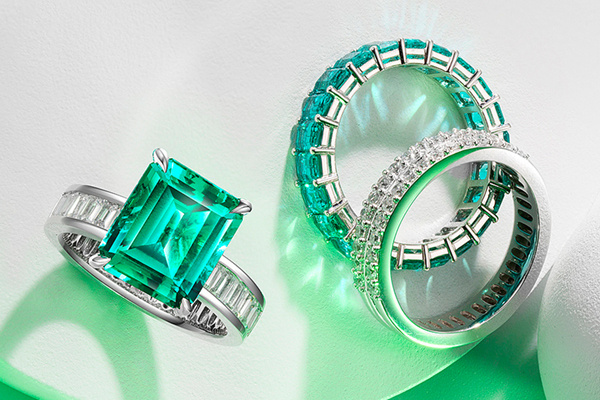
Gemstone Ring
Adhesive Vulnerabilities
Multi-component silver items assembled with epoxies, cyanoacrylate adhesives, or other bonding agents may experience joint failure during ultrasonic cleaning. The combination of chemical exposure from the cleaning solution and mechanical stress from cavitation can degrade adhesive bonds. Vintage costume jewelry or repair work involving adhesives presents higher risk.
Low-temperature solders used in some manufacturing or repair operations may soften or fail in heated ultrasonic cleaning solutions. While high-temperature silver solders remain stable, softer solders with lower melting points could become compromised. Inspection for previous repair work helps identify pieces potentially containing vulnerable solder joints.
Patina Preservation
Intentionally oxidized silver featuring darkened recesses that create visual contrast requires care to preserve the desired finish while removing unwanted tarnish from high points. Standard ultrasonic cleaning with aggressive tarnish removal solutions will strip all oxidation indiscriminately, destroying the intended appearance.
Preservation of intentional patina necessitates either extremely gentle cleaning with mild solutions and brief exposure times, or alternative cleaning methods that allow selective treatment of only the unwanted tarnish. Professional restoration work on antique or artistic silver pieces frequently employs manual methods for this reason despite the time investment required.
Comparison with Traditional Silver Cleaning Methods
Evaluating ultrasonic cleaning effectiveness requires understanding how it compares to established silver maintenance approaches. Each method offers distinct advantages and limitations.
Manual polishing with specialized silver polishing cloths or creams achieves excellent results on accessible surfaces through mild abrasive action combined with tarnish-removing chemistry. The method provides complete operator control, allowing selective treatment and immediate visual feedback. However, manual polishing cannot effectively reach into complex details, chain links, or textured surfaces. The abrasive action, though mild, gradually removes microscopic amounts of silver with each polishing, cumulatively affecting item dimensions over many years of regular treatment.
Chemical dip solutions remove tarnish rapidly through aggressive chemical conversion but provide no mechanical cleaning action for other types of soil. The harsh chemistry can attack the silver itself if exposure time exceeds recommendations, and many formulations produce unpleasant odors or require careful handling. Chemical dips leave behind residues that require thorough rinsing, and they offer no penetration advantage for complex geometries compared to simple soaking.
Electrolytic cleaning using aluminum foil, baking soda, and hot water converts silver sulfide back to metallic silver through electrochemical reaction. This popular home method works effectively for removing tarnish without abrasion, but provides no cleaning action for oils, grime, or other non-tarnish contamination. The process also indiscriminately removes all oxidation including intentional patina in decorative recesses.
Ultrasonic cleaning surpasses these traditional methods in several key aspects. The cavitation reaches into areas completely inaccessible to manual methods, achieving comprehensive cleaning of complex items in single operations. The non-abrasive action preserves silver surfaces without the gradual material loss from repeated polishing. The combination of mechanical and chemical action addresses both tarnish and other types of contamination simultaneously. The process automation provides consistent results regardless of operator skill level and frees personnel for other tasks during the cleaning cycle.
The primary limitation involves the equipment investment requirement and the inability to selectively treat only certain areas of an item. For simple silver pieces or when selective cleaning is necessary, traditional methods may prove more appropriate or cost-effective.
Professional Best Practices and Maintenance Protocols
Professional jewelers, restoration specialists, and manufacturing operations employ standardized protocols that ensure optimal results while protecting valuable silver items during ultrasonic cleaning.
Pre-cleaning inspection procedures identify items unsuitable for ultrasonic treatment before damage occurs. Visual examination checks for loose stones, previous repairs, construction involving adhesives, or other vulnerability indicators. Questionable items receive alternative treatment or undergo testing in inconspicuous areas before full cleaning.
Item preparation includes removing excessive loose soil through pre-rinsing, which prevents rapid saturation of the cleaning solution with debris that reduces effectiveness. Extremely dirty items may require preliminary manual cleaning before ultrasonic treatment to maximize the efficiency of the ultrasonic cycle for removing residual contamination and tarnish.
Proper loading techniques ensure items receive uniform treatment without damage from contact with the tank or other items. Quality cleaning baskets suspend items in the solution volume where cavitation intensity peaks, typically the central region slightly above the tank bottom. Avoiding overcrowding allows cleaning solution and ultrasonic energy to access all surfaces.
Solution maintenance involves monitoring pH, concentration, and contamination levels to maintain effectiveness throughout multiple cleaning cycles. Replacing depleted solution before performance degrades ensures consistent results. Some operations employ solution strength testing and maintain logs tracking usage to optimize replacement intervals.
Post-cleaning procedures include thorough rinsing with distilled or deionized water to remove all cleaning solution residues that might cause future tarnishing or surface issues. Compressed air drying or soft lint-free cloth drying prevents water spotting. Final inspection verifies satisfactory cleaning and checks for any issues that may have emerged during treatment.
Equipment maintenance ensures continued optimal performance. Regular draining and cleaning of the ultrasonic tank removes accumulated deposits. Periodic testing of cavitation intensity using aluminum foil or cavitation test papers confirms the transducers maintain full output. Descaling of heating elements and verification of temperature control accuracy prevents performance degradation.
Documentation protocols track cleaning parameters and outcomes for valuable or significant items. Recording solution type, concentration, temperature, cycle duration, and results creates institutional knowledge that guides future treatments of similar items. This practice proves particularly valuable in restoration and conservation applications.
Ultrasonic cleaning delivers exceptional results on silver items when appropriate protocols account for both the metal’s excellent compatibility with the technology and the potential vulnerabilities of associated materials or construction methods. The combination of physical cavitation and chemical cleaning action removes tarnish and contamination from complex geometries far more effectively than traditional methods while preserving silver surfaces through non-abrasive treatment. Professional application of this technology requires understanding of operating parameters, solution chemistry, and material considerations to achieve optimal outcomes across the diverse range of silver items requiring maintenance and restoration.