 Granbo Sonic











Are Ultrasonic Jewellery Cleaners Worth Using
Browse Volume:100 Classify:Support
Jewellery today is worn differently than it was a few decades ago. Rings stay on through long workdays, handwashing, skincare routines, and even sleep. Necklaces sit against skin that produces oils and sweat, while earrings collect residue from cosmetics and hair products. Over time, even pieces that look clean at first glance slowly lose their sparkle. This shift in daily wear habits is one of the main reasons ultrasonic jewellery cleaners have moved from professional workshops into ordinary homes.
At first, the idea sounds almost too convenient. Drop your jewelry into a small tank of water, press a button, and a few minutes later it comes out noticeably brighter. No scrubbing, no soaking overnight, no polishing cloth turning black in your hands. That promise is what makes people ask the same question over and over again: are ultrasonic jewellery cleaners actually any good, or do they just look impressive on the surface.
To answer that honestly, it helps to move past marketing claims and understand what these devices really do, how they interact with different types of jewellery, and where their strengths and limits lie in everyday use.
Ultrasonic jewellery cleaners do not clean by magic, heat, or chemicals alone. Their effectiveness comes from a physical process that works on a microscopic level, reaching places fingers and brushes simply cannot.

How Ultrasonic Jewellery Cleaners Actually Work
Inside every ultrasonic jewellery cleaner is a transducer that converts electrical energy into high-frequency mechanical vibrations. These vibrations travel through the water in the tank at speeds far beyond human hearing. When this happens, the liquid does not simply shake back and forth. Instead, it forms millions of microscopic bubbles in a process known as cavitation.
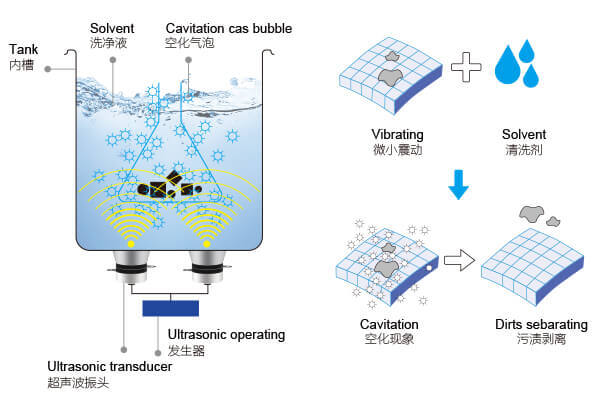
The Principle Behind Ultrasonic Cleaning
These bubbles grow and collapse almost instantly. When they collapse near the surface of a piece of jewellery, they release tiny bursts of energy. Individually, each collapse is extremely small, but when millions occur across the surface of a ring, chain, or setting, the effect becomes very noticeable. Dirt, oil, skin residue, and fine debris are loosened and lifted away, even from tight crevices under stones or inside intricate designs.
This is why ultrasonic jewellery cleaners feel so different from manual cleaning. A toothbrush can only touch exposed surfaces. A cloth can polish what it reaches, but it cannot work underneath a stone setting or inside a filigree pattern. Ultrasonic cavitation, by contrast, reaches everywhere the liquid can reach. That includes areas most people never think about until they see how much grime comes out during a cleaning cycle.
Why Jewellery Often Looks Clean But Is Not
Many people underestimate how much residue builds up on jewellery over time. Gold and silver may look shiny on the outside, but skin oils are sticky by nature. They trap dust, dead skin cells, soap residue, and cosmetic particles. Over weeks and months, this mixture hardens into a thin film that dulls shine and reduces brilliance, especially in gemstones.
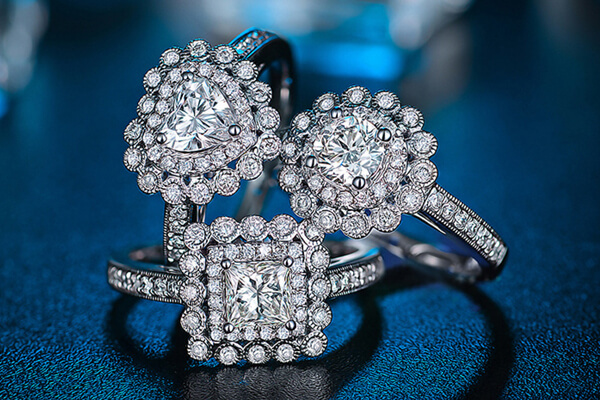
Diamonds
Diamonds are a perfect example. A diamond may still reflect light, but once oil coats its surface, its ability to refract light drops significantly. This is why a ring can look lifeless even though the stone itself is not damaged. Ultrasonic cleaners excel in this situation because cavitation physically breaks the bond between oil and surface without relying on aggressive chemicals.
The same applies to chains and bracelets. Tiny links rub against skin constantly, collecting residue in places that are almost impossible to clean manually. When placed in an ultrasonic cleaner, the vibration reaches between those links and flushes out debris that would otherwise remain trapped.
This effectiveness is often what convinces first-time users that ultrasonic jewellery cleaners are genuinely useful rather than just a novelty.
Jewellery Types That Respond Especially Well to Ultrasonic Cleaning
Not all jewellery behaves the same way in an ultrasonic cleaner, but many common pieces respond extremely well. Solid metal items without delicate structural weaknesses are usually ideal candidates. Gold, platinum, and stainless steel handle ultrasonic vibration without issue when the piece is well made and structurally sound.
Diamond jewellery is another area where ultrasonic cleaners shine, especially when stones are securely set. Diamonds themselves are extremely hard, and when the setting is intact, ultrasonic cleaning restores brilliance that hand cleaning often cannot achieve. The difference before and after a cycle can be dramatic, particularly for rings worn daily.
Intricate designs also benefit more than simple ones. Pavé settings, filigree work, and detailed engravings all trap dirt easily. Ultrasonic cavitation does not discriminate between visible and hidden surfaces, which makes it particularly effective for these styles.
The Granbo ultrasonic cleaner in action, cleaning jewelry.
Seeing the water turn cloudy during cleaning often surprises people. It is a clear reminder that even jewellery that looks acceptable on the surface can hold a surprising amount of buildup underneath.
Where Caution Becomes Necessary
Despite their strengths, ultrasonic jewellery cleaners are not universally safe for every piece. The same vibration that removes dirt can also expose weaknesses in jewellery construction. Stones with natural inclusions, internal fractures, or treatments may not tolerate ultrasonic energy well. In some cases, vibration can worsen existing flaws or cause stones to loosen if settings are already compromised.
Jewellery that relies on glue rather than mechanical settings is another concern. Some decorative stones, pearls, or costume jewellery elements are attached with adhesives that can degrade or fail when exposed to vibration and moisture. Ultrasonic cleaning does not distinguish between dirt and adhesive bonds, so these pieces require special care or alternative cleaning methods.
This does not mean ultrasonic jewellery cleaners are dangerous by default. It means they are powerful tools that work best when used with an understanding of what they are suited for and what they are not.
Home Ultrasonic Cleaners Versus Professional Units
Another factor that shapes whether ultrasonic jewellery cleaners are any good is the difference between home devices and professional machines. Home units are typically smaller, lower in power, and designed for short, gentle cleaning cycles. Professional machines, used by jewelers and laboratories, operate at higher power levels and often allow precise control over frequency and temperature.
This difference explains why experiences vary so widely. Someone using a basic home cleaner on everyday gold jewellery may be very satisfied, while another person expecting workshop-level restoration from a compact device may feel disappointed. Home ultrasonic cleaners are best viewed as maintenance tools rather than restoration equipment.
They excel at routine cleaning, not repairing scratches, removing heavy oxidation, or fixing structural issues. When expectations match reality, their value becomes much clearer.
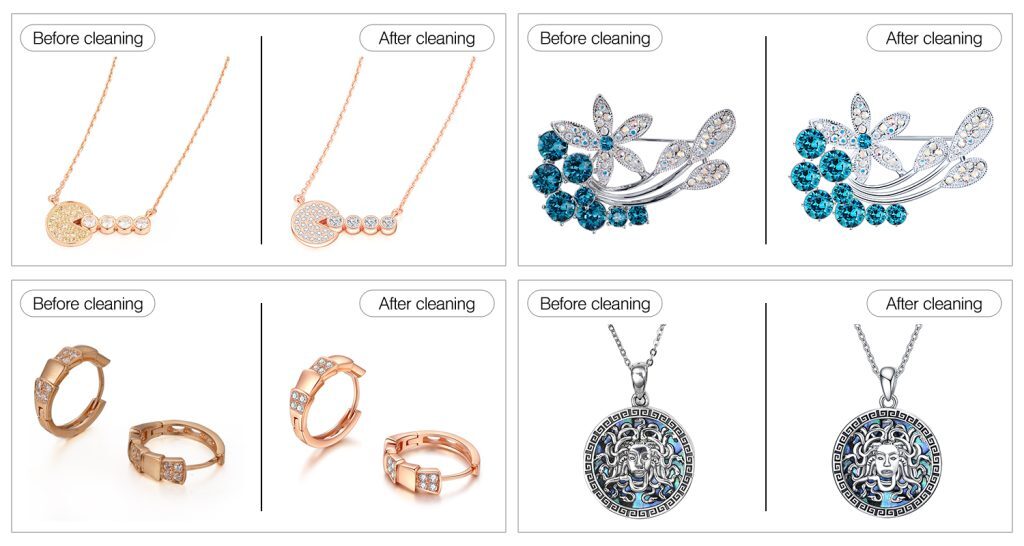
Granbo ultrasonic Jewelry Cleaning effect
Understanding whether ultrasonic jewellery cleaners are any good also depends on what is placed inside the tank along with the jewellery. Many people assume water alone does all the work, but in reality, the liquid environment plays a meaningful role in how effective the cleaning process feels.
The Role of Cleaning Solutions in Ultrasonic Jewellery Cleaning
Water is an excellent medium for ultrasonic cavitation, but it is not always enough on its own. Oils, lotions, and cosmetic residues are designed to resist plain water. When these substances cling to metal or gemstones, cavitation alone may loosen them but not fully remove them. This is why many ultrasonic jewellery cleaners recommend adding a small amount of mild detergent or a purpose-made jewellery cleaning solution.

water
A gentle solution changes the surface tension of the liquid, allowing cavitation bubbles to form more efficiently and penetrate oily films more easily. The key word here is gentle. Harsh chemicals are unnecessary and often counterproductive. They do not improve cavitation and may introduce risks for certain metals or finishes.
When used correctly, a mild solution does not scrub or etch the jewellery. It simply helps carry loosened contaminants away once cavitation breaks their grip. This combination is why ultrasonic cleaning feels so effortless compared to manual methods. The work happens invisibly, below the surface, without aggressive action.
That said, the presence of a solution does not turn an ultrasonic cleaner into a miracle machine. It enhances what the device already does well, but it does not override the physical limitations of jewellery materials or construction.
Common Misconceptions About Ultrasonic Jewellery Cleaners
One of the most common misconceptions is that ultrasonic cleaners restore jewellery to a like-new condition. In reality, ultrasonic cleaning removes contaminants, not wear. Scratches, dulling from metal abrasion, and worn edges are mechanical issues that require polishing or refinishing, not cleaning.
Another misunderstanding is that ultrasonic cleaners damage jewellery simply by existing. When stories circulate about stones falling out or pieces being ruined, the underlying cause is often pre-existing weakness. Ultrasonic vibration does not create loose prongs out of nowhere. It reveals problems that were already there. In that sense, ultrasonic cleaning can act as an early warning system rather than a destructive force.
There is also a belief that longer cleaning cycles always produce better results. This is not true. Once surface contaminants are removed, extending the cycle adds no benefit and may unnecessarily stress delicate pieces. Short, controlled cycles are usually more effective and safer than extended runs.
Understanding these misconceptions helps set realistic expectations. Ultrasonic jewellery cleaners are tools, not guarantees. Used correctly, they perform a specific job extremely well.
What Ultrasonic Jewellery Cleaners Can and Cannot Do
What ultrasonic jewellery cleaners do best is remove accumulated grime from places you cannot reach. They excel at restoring visual brightness by clearing oils and debris that dull surfaces and stones. This alone can make jewellery look dramatically better, especially items worn daily.
What they cannot do is repair damage, tighten settings, or replace lost material. They also do not remove heavy tarnish or oxidation from certain metals without additional chemical help. Expecting them to solve those problems leads to disappointment.
This distinction matters because it shapes how ultrasonic cleaners fit into a broader care routine. They are not a replacement for professional inspection or maintenance. They are a supplement, filling a gap between occasional professional cleaning and daily wear.
How Often Ultrasonic Jewellery Cleaning Makes Sense
Frequency is another factor that influences whether ultrasonic jewellery cleaners are worth using. Daily cleaning is unnecessary for most people and may increase risk for pieces with fine details. Occasional cleaning, on the other hand, aligns well with how dirt accumulates.
For jewellery worn every day, such as engagement rings or wedding bands, ultrasonic cleaning once every few weeks can maintain sparkle without overuse. Pieces worn less often benefit from cleaning before or after extended wear rather than on a strict schedule.
Overuse does not improve results. Clean jewellery does not become cleaner simply because it stays in the tank longer or more often. Moderation protects both the jewellery and the device while delivering consistent visual improvement.

jewelry cleaner
Noise, Safety, and the Home User Experience
Many people worry about noise before buying an ultrasonic jewellery cleaner. The sound is usually a high-pitched hum rather than a harsh vibration. While noticeable, it is brief and far from disruptive in a typical household setting.
From a safety perspective, home ultrasonic cleaners are designed to be simple and controlled. There is no radiation, no harmful emission, and no exposure risk when used as intended. The energy remains confined to the liquid inside the tank. The user experience is generally straightforward, which contributes to why these devices have become so common.
Ease of use matters when judging value. A tool that sits unused because it is inconvenient has little worth. Ultrasonic jewellery cleaners succeed largely because they fit naturally into modern routines.
Ultrasonic Cleaning Compared to Traditional Methods
Traditional jewellery cleaning relies on physical contact or chemical soaking. Cloths polish exposed surfaces but miss hidden areas. Brushes help but require time, effort, and care. Chemical dips work quickly but can be harsh and lack precision.
Ultrasonic cleaning occupies a middle ground. It is gentle in contact but powerful in reach. It complements rather than replaces other methods. Many people find the best results come from occasional ultrasonic cleaning combined with light manual maintenance.
This layered approach extends jewellery life while keeping appearance consistent. Ultrasonic cleaners shine in this role because they do what other methods cannot without demanding skill or effort.
Long-Term Effects on Jewellery Condition
A common concern is whether repeated ultrasonic cleaning shortens jewellery lifespan. When used appropriately, there is no evidence that it damages sound, well-made pieces. Metals like gold and platinum tolerate ultrasonic vibration well. Stones that are suitable for ultrasonic cleaning remain unaffected when settings are secure.
Problems arise when users ignore material compatibility or structural condition. Ultrasonic cleaners do not weaken jewellery over time in normal use. They simply interact with what already exists. Well-maintained jewellery stays well maintained.
Understanding this helps remove fear-based hesitation and replaces it with informed decision-making.
Deciding If an Ultrasonic Jewellery Cleaner Is Right for You
Whether ultrasonic jewellery cleaners are any good ultimately depends on lifestyle and expectations. Someone who wears jewellery occasionally and cleans it manually may see limited benefit. Someone who wears intricate pieces daily and values convenience will likely appreciate the difference immediately.
The device does not need to replace other care methods to justify itself. Its value lies in how effortlessly it maintains cleanliness between deeper maintenance steps.
When Ultrasonic Jewellery Cleaners Offer the Most Value
Ultrasonic cleaning shows its worth most clearly with frequently worn items that accumulate residue quickly. Rings exposed to soap, lotion, and skin oils respond especially well. Pieces with fine details or stone settings benefit from cleaning that reaches beneath the surface.
In these situations, ultrasonic jewellery cleaners move from being optional to genuinely useful. They solve a real problem with minimal effort.
As jewellery habits continue to evolve, tools that support easy maintenance become more relevant, not less. Ultrasonic jewellery cleaners fit naturally into this trend when their capabilities are understood and respected.
Jewellery carries more than just material value. It reflects habits, routines, and moments that repeat quietly every day. Because of that, how jewellery is cared for matters just as much as how it is worn. Ultrasonic jewellery cleaners have become part of that care conversation not because they are trendy, but because they solve a modern problem in a modern way.
When jewellery is exposed daily to handwashing, skincare products, sweat, and environmental dust, surface shine alone stops telling the full story. Dirt settles where fingers cannot reach and where brushes struggle to work effectively. Ultrasonic cleaning addresses this invisible buildup without demanding time, effort, or technical skill. That alone explains why so many people feel an immediate difference after using one for the first time.
At the same time, these devices are not shortcuts around responsibility. They reward understanding and moderation. Jewellery that is structurally sound, made from suitable materials, and cleaned with reasonable frequency responds well. Pieces that are fragile, glued, heavily included, or already compromised require a different approach. Ultrasonic cleaners do not remove the need for awareness. They simply make routine maintenance easier when used with care.
For many households, ultrasonic jewellery cleaners earn their place not by replacing professional services or traditional methods, but by filling the gap between them. They keep everyday jewellery looking fresh, help preserve brilliance, and reduce the buildup that slowly dulls appearance over time. When expectations are realistic and usage is thoughtful, they prove to be more than just a gadget.
Whether ultrasonic jewellery cleaners are any good ultimately depends on how they are used and why they are chosen. For people who value convenience, wear jewellery often, and want a reliable way to maintain cleanliness beneath the surface, they offer genuine, practical value. They do not promise perfection, but they deliver consistency, and that is often exactly what modern jewellery care requires.