 Granbo Sonic












Ultrasonic Contact Lens Cleaners: Are They Really Worth It
Browse Volume:142 Classify:Support
Contact lens care has always been a delicate balancing act between convenience and safety. For millions of lens wearers, keeping lenses clean is not simply about clarity of vision—it is about preventing irritation, infection, dryness, and long-term eye complications. As daily life becomes faster, more people are searching for cleaning methods that offer both thoroughness and ease. This shift has helped ultrasonic contact lens cleaners gain attention. Small, portable, and marketed as high-tech, they promise to remove buildup more effectively than traditional rubbing and rinsing.
The appeal is understandable. Manual cleaning requires discipline, yet many people admit they occasionally rush the process, skip rubbing steps, or reuse old solution. Even when done correctly, the rub-and-rinse method still leaves room for inconsistency. Protein deposits, lipid films from natural tears, fine environmental particles, and traces of makeup can remain on the lens surface. These residues might be invisible, but they can cause discomfort throughout the day. For wearers with sensitive eyes, even a small amount of leftover residue can feel like a major irritation.
People with busy lifestyles also gravitate toward solutions that minimize effort. The idea of placing lenses into a device, pressing a button, and letting ultrasonic waves do the work feels modern and efficient. These devices promise a deeper clean without additional steps, and the promise of convenience resonates strongly with anyone who has ever fumbled through an evening routine after a long day.
At the same time, safety concerns arise naturally. Anything that interacts with the eyes must meet higher standards than typical household gadgets. Users wonder whether ultrasonic micro-vibrations might damage lens surfaces, whether certain materials are more vulnerable than others, and whether the devices truly offer safer hygiene or merely add unnecessary complexity. These questions often lead people to explore the science behind ultrasonic cleaning and evaluate whether the technology aligns with contact lens care protocols.
Some people consider ultrasonic lens cleaners because they struggle with certain common issues: lenses feeling cloudy by midday, irritation that persists despite regular cleaning, reduced clarity toward the end of the week, or discomfort caused by buildup that manual cleaning cannot fully remove. Others simply want a more consistent cleaning process that does not depend on technique or thoroughness. Technological advances in personal care have convinced many users that devices can outperform human effort—but whether this is true for contact lenses deserves thoughtful evaluation.

ultrasonic contact lens cleaner
Ultrasonic cleaners also attract people who like gadgets. The sleek designs, portable sizes, and futuristic appeal of these devices make them feel like natural extensions of modern routines. Online markets show a growing trend of compact lens cleaners targeted at frequent travelers, students, and professionals who want a “smart” approach to hygiene.
However, to determine whether ultrasonic contact lens cleaners are truly worth the investment, it is essential first to understand how they work and to separate realistic expectations from marketing claims. Only then can we evaluate how they compare to traditional cleaning methods and whether they genuinely improve safety, comfort, and convenience for daily lens wearers.
How Ultrasonic Contact Lens Cleaners Work
Ultrasonic contact lens cleaners operate on a principle that sounds highly technical but is surprisingly simple once broken down. Instead of scrubbing the surface of a lens manually, these devices use micro-vibrations—typically in the ultrasonic frequency range—to create gentle agitation in the liquid surrounding the lenses. This movement helps loosen deposits that normal rubbing may leave behind. Understanding how this process works is essential for evaluating whether such devices provide meaningful benefits or pose avoidable risks.
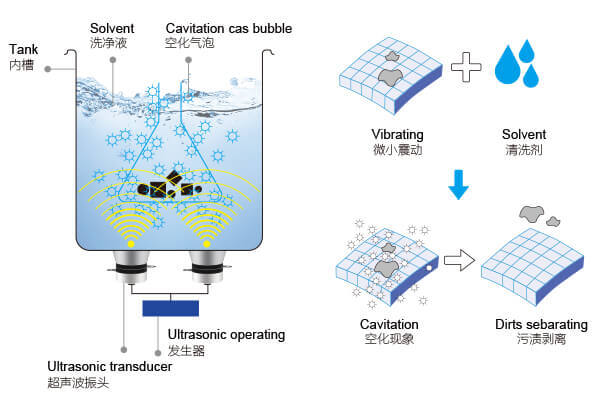
The Principle Behind Ultrasonic Cleaning
In a standard ultrasonic cleaning system used for jewelry or dental tools, cavitation bubbles form and collapse rapidly, producing strong microjets of energy that detach dirt. Contact lens cleaners, however, are intentionally designed not to use cavitation at intensities found in industrial or laboratory equipment. True cavitation would be far too aggressive for soft contact lenses, which are delicate and flexible. Instead, ultrasonic lens cleaners typically rely on low-energy ultrasonic vibration, sometimes marketed as “sonic wave cleaning,” usually at frequencies between 40kHz and 80kHz.
At these lower intensities, the device vibrates the water or lens solution at a speed fast enough to create motion, but not powerful enough to weaken or rupture the soft polymer structure of contact lenses. The vibration suspends small particles in the liquid, helping dislodge residue from the lens surface. Think of it as a gentle shaking effect, but at a microscopic scale. The lens itself is not scrubbed or abraded; it moves slightly within the liquid while residues lift away.
These micro-vibrations target deposits commonly found on lens surfaces:
- Proteins released naturally from tears
- Lipids and oils from eyelids
- Dust and airborne particles
- Cosmetic residues, including mascara and foundation
- Environmental pollutants
The vibrating action encourages these contaminants to detach more evenly and more consistently than manual rubbing might achieve. However, the effectiveness depends on the model, its frequency, the solution used, and the duration of the cleaning cycle. Some devices pair ultrasonic movement with warm water or specialized cleaning solution to help dissolve oils and loosen proteins more effectively.
Another important factor involves compatibility with lens material. Soft contact lenses, especially silicone hydrogel varieties, have unique oxygen-permeable structures. They are engineered to remain hydrated and flexible, qualities that can be sensitive to mechanical stress. High-powered ultrasonic cleaning could disrupt their surface integrity, so legitimate ultrasonic lens cleaners lower the intensity considerably. The goal is not to produce forceful cavitation but to provide a mild agitation that enhances the cleaning power of the solution without damaging the lenses.
To ensure safety, reputable devices typically include protective design elements such as:
- rounded interior chambers to avoid sharp contact points
- automatically timed cycles to prevent over-cleaning
- temperature regulation to avoid heat-related lens deformation
- low-power ultrasonic drivers designed specifically for polymers
Despite these safeguards, the industry is not universally standardized. Some low-cost devices may claim ultrasonic capabilities but operate with inconsistent frequencies or unregulated vibration strength. This inconsistency raises concerns about whether all devices on the market are equally safe or effective.
In essence, the key to ultrasonic contact lens cleaners is that they rely on gentle ultrasonic motion, not industrial cavitation. When operated correctly with appropriate cleaning solutions, the technology is intended to mimic and enhance the effects of manual agitation. But whether this actually improves hygiene or outperforms traditional cleaning methods remains an important question—and one best answered by comparing both approaches directly.
Traditional Contact Lens Cleaning Methods and Their Limitations
For decades, contact lens cleaning has relied on a combination of rubbing, rinsing, and soaking. These manual methods remain the standard recommended by eye care professionals because they are simple, inexpensive, and—when performed correctly—effective at removing many of the deposits that accumulate on lenses during daily wear. Yet even with consistent use, traditional cleaning methods have limitations. To understand whether ultrasonic contact lens cleaners offer a real improvement, it helps to first understand how traditional cleaning works and where it falls short.
Rub-and-Rinse Cleaning
The most common method involves placing a lens in the palm of the hand, applying multipurpose solution, and gently rubbing the lens with a fingertip for about 10–20 seconds. This step physically dislodges surface deposits, while the solution rinses them away. Although rubbing is essential, many wearers either rush through the process or skip it entirely. Studies consistently show that skipping the rub step leaves significantly more protein and lipid residue on the lens.
Even when rubbing is done carefully, manual cleaning still depends on the pressure, technique, and thoroughness of the wearer. Not all areas of the lens receive equal attention, and residues often remain on the curved edges or microscopic surface irregularities.
Multipurpose Disinfecting Solutions
After rubbing and rinsing, lenses are typically soaked in a multipurpose solution for several hours. These solutions disinfect the lens, kill bacteria, and help loosen additional debris. They are effective for routine hygiene, but soaking alone cannot remove everything. The solution works primarily through chemical action, not physical agitation, so particles that cling tightly to the lens material may not detach fully.
Furthermore, multipurpose solutions vary in strength. Some formulas contain moisturizers or additives designed for comfort rather than maximum cleaning power. These features enhance the wearing experience but do not necessarily improve residue removal.
Hydrogen Peroxide Cleaning Systems
Hydrogen peroxide systems provide a deeper clean by breaking down deposits through a chemical reaction. When the peroxide neutralizes, it becomes water, making it safe for the eye. These systems are excellent at killing bacteria and loosening tough residue, and many optometrists recommend them for people with allergies or sensitive eyes.
However, hydrogen peroxide systems still have limitations. They require strict adherence to the full neutralization time, which takes several hours. They cannot provide mechanical agitation, so they still depend on whether the wearer rubs lenses beforehand. Without rubbing, the system may leave behind stubborn films, even if disinfecting performance is excellent.
Where Manual Methods Fall Short
Despite their effectiveness, traditional cleaning methods share several fundamental limitations:
1. Residue Remains Even If the Lens Looks Clean
Proteins, lipids, and environmental particles can cling tightly to the lens surface. Some deposits bond chemically with the lens material, and manual rubbing cannot always detach them completely.
2. Cleaning Results Depend on Human Technique
Rushing the process or skipping steps leads to inconsistent cleaning. Fatigue, forgetfulness, or poor technique all reduce effectiveness. The rub-and-rinse method works—but only when followed exactly.
3. Hidden Areas Are Easy to Miss
Although contact lenses are smooth overall, their edges and micro-textures still trap residue. Manual cleaning does not reach every microscopic space.
4. Not Enough Agitation
Cleaning contact lenses effectively requires both chemical disinfection and mechanical removal of residues. Manual cleaning provides only limited agitation, while soaking alone offers none.
5. Build-Up Over Time Affects Comfort
Even small amounts of residue can cause dryness, blurry vision, or irritation. Over weeks of repeated manual cleaning, lenses may gradually accumulate deposits that become harder to remove.
These limitations do not make traditional cleaning ineffective—millions of people use the rub-and-rinse method safely every day. But they do explain why some wearers still experience discomfort despite following recommended routines. They also highlight why some people look for technology that provides a more consistent cleaning process with less reliance on technique.
Ultrasonic contact lens cleaners claim to fill that gap by offering deeper, more uniform cleaning with minimal effort. To understand whether they succeed, the next step is to compare their performance directly with traditional cleaning methods.
Comparing Ultrasonic Cleaning with Traditional Lens Cleaning Methods
When evaluating whether ultrasonic contact lens cleaners are worth it, the most important question is whether they remove residue more effectively than traditional cleaning methods. While manual rubbing relies on human technique and soaking depends on chemical action, ultrasonic devices use controlled micro-vibration to loosen contaminants. The comparison becomes clearer when examining cleaning depth, consistency, convenience, and the overall impact on lens comfort and eye health.
Depth of Cleaning
Manual cleaning removes surface-level debris, but it often leaves microscopic residues that adhere tightly to the lens. Proteins and lipids can bond to the polymer material in ways that require more than gentle rubbing to detach. Even hydrogen peroxide systems—effective for disinfection—do not provide any mechanical removal of particles.
Ultrasonic devices create gentle waves in the solution that reach every part of the lens, including the edges and micro-textured surface. This action helps lift contaminants that manual rubbing may miss. While these devices do not generate the powerful cavitation used in industrial ultrasonic cleaning, the micro-vibration still provides a more consistent form of agitation than rubbing alone.
In many real-world cases, lenses cleaned ultrasonically appear clearer and feel more comfortable because stubborn films have been removed more effectively.
Consistency and Reliability
Manual cleaning varies from person to person. Some people rub too lightly, others rush the process, and some forget to rinse properly. Even those who follow instructions precisely may clean unevenly around the edges or leave residual solution trapped in the lens case.
Ultrasonic cleaning removes much of this inconsistency. The machine provides uniform agitation throughout the cleaning chamber, regardless of who is operating it. This means that every cleaning session delivers similar results, which is especially helpful for people with sensitive eyes who depend on predictable lens hygiene.
Impact on Daily Comfort
Many contact lens wearers notice that comfort decreases throughout the day when residue remains on the lens. Proteins cloud vision, lipids reduce wettability, and microscopic debris causes friction against the eyelid every time the eye blinks. Even when the lens appears clean, residue can create irritation that leads to dryness or watering.
Ultrasonic cleaning improves comfort by removing more of these micro-level irritants. Users often report that their lenses feel smoother, stay moist longer, and maintain clarity throughout the day after ultrasonic cleaning. While results vary by device, the general trend supports improved comfort where manual cleaning struggled.
Time and Convenience
Traditional cleaning requires several steps:
- rubbing the lens
- rinsing thoroughly
- placing the lens in fresh solution
- allowing it to disinfect for hours
Ultrasonic cleaners simplify this process by automating the agitation step. Most devices require just a lens case with solution and the push of a button. Cleaning cycles usually last two to five minutes.
However, ultrasonic cleaning does not replace the need for proper disinfection. Users still must soak lenses in the appropriate solution after cleaning. Even so, the automated cleaning step reduces effort and ensures a more dependable result.
Chemical Compatibility
Manual methods depend heavily on the solution used. Multipurpose solutions may not break down stubborn films effectively. Peroxide systems excel at disinfection but require neutralization time and do not offer mechanical cleaning.
Ultrasonic devices enhance the performance of solutions by adding physical agitation. This gives cleaning formulas a better chance to interact with residues and detach them from the lens material.
Does Ultrasonic Cleaning Replace Rubbing?
Manufacturers often suggest that ultrasonic devices can replace manual rubbing. Eye care professionals, however, typically encourage maintaining the rub-and-rinse step unless the device has been clinically tested for full residue removal effectiveness.
In practice, many users adopt a hybrid method:
- Light manual rubbing
- Ultrasonic cleaning
- Standard disinfection soak
This combination provides the most thorough results.
Where Ultrasonic Cleaning Clearly Excels
Ultrasonic cleaning shows the greatest advantage for:
- people with high protein or lipid buildup
- wearers who experience midday fogginess
- users with sensitive or allergy-prone eyes
- individuals who struggle with consistent manual cleaning
- long-wear or extended-wear lens types prone to residue
While ultrasonic cleaning is not a miracle solution, it addresses several weaknesses of traditional cleaning. The real question now becomes whether it is safe for the lens materials and, ultimately, for the eyes.
Safety Analysis: Are Ultrasonic Contact Lens Cleaners Safe for the Eyes?
Whenever a device interacts with something as delicate as contact lenses, safety becomes the highest priority. A cleaning method that removes residue effectively means little if it damages the lens surface or alters the material in a way that affects eye health. Understanding the safety profile of ultrasonic contact lens cleaners involves examining how micro-vibration interacts with different lens materials, what risks low-quality devices may pose, and why manufacturers and eye care professionals approach the technology cautiously.
Soft Contact Lenses and Material Sensitivity
Most contact lenses today are made from silicone hydrogel or hydrogel polymers, both designed to stay hydrated and oxygen-permeable. These materials are intentionally soft, flexible, and delicate. Their surface structure must remain smooth and uniform to maintain comfort. Any tiny deformation or surface abrasion can lead to irritation because the eyelid brushes across the lens thousands of times a day.
Traditional ultrasonic cleaners used for metals or glass operate at a power level that would be far too aggressive for these polymers. The cavitation bubbles in industrial ultrasonic devices can cause pitting or tearing in soft materials. For this reason, legitimate contact lens ultrasonic cleaners avoid strong cavitation and instead use gentler micro-vibrations that do not create powerful bubble collapse events.
When these devices function as designed, the vibration strength is mild enough to avoid altering the polymer structure. However, since there is no global regulation for consumer-grade devices, the safety advantage depends largely on product quality. A device with inconsistent frequency output or excessive vibration intensity could theoretically weaken a lens, especially along its edges.
Concerns About Lens Micro-Damage
One of the biggest concerns surrounding ultrasonic cleaning of contact lenses is the possibility of micro-tears or surface disruptions caused by improper vibration intensity. These imperfections might not be visible to the naked eye but could:
- cause friction against the eyelid
- increase dryness
- trap bacteria
- shorten lens lifespan
- lead to discomfort or infection
Clinical studies on professionally regulated ultrasonic systems show minimal risk when the vibration intensity remains low. But because many consumer devices lack detailed specifications, it becomes difficult to determine which devices operate safely and which might pose risks.
Why Some Manufacturers Do Not Officially Endorse Ultrasonic Cleaners
Contact lens manufacturers develop their lenses through extensive testing, ensuring compatibility with specific solutions and cleaning methods. Because ultrasonic devices vary widely and no industry standard defines the acceptable vibration intensity, most major lens manufacturers refrain from endorsing ultrasonic cleaners.
Their caution comes from two main concerns:
- Lack of controlled testing across all available devices
- Risk that consumers may purchase low-quality units that exceed safe vibration levels
Without standardized regulations or consistent output across devices, manufacturers prefer to recommend traditional cleaning methods, which have decades of proven safety.
Impact on Silicone Hydrogel Lenses
Silicone hydrogel lenses, known for higher oxygen permeability, have slightly more rigid molecular structures compared to traditional hydrogels. They are generally more resilient but also more prone to lipid deposits. Ultrasonic cleaners may help with deposit removal, but the vibration must remain very gentle to avoid affecting the silicone network.
Most high-quality ultrasonic cleaners marketed specifically for lenses are safe for silicone hydrogel when used correctly. However, extremely cheap, unbranded devices with unknown frequency output may exert unpredictable forces.
Rigid Gas Permeable (RGP) Lenses
RGP lenses are more durable and less sensitive to physical stress. They are less likely to warp or tear under gentle ultrasonic vibration. For RGP users, ultrasonic cleaning may offer deeper deposit removal than manual scrubbing, since RGP surfaces can accumulate stubborn protein films over time. Some eye care providers even endorse professional ultrasonic cleaning for RGP lenses in clinical settings.
Risks of Heat and Poor Temperature Regulation
Some ultrasonic cleaners generate heat during operation. Although mild warmth can improve cleaning effectiveness, excessive heat risks deforming soft lenses. High-quality devices include temperature control or short cycles that prevent overheating. Lower-quality ones may not.
Solution Compatibility and Safety
Ultrasonic cleaners still require proper contact lens solution. Using tap water, saline only, or homemade mixtures can lead to microbial contamination and serious eye infections. The device itself does not disinfect—the solution does. Users must follow the correct disinfection steps after cleaning.
Overall Safety Verdict
The safety of ultrasonic contact lens cleaners depends on:
- device quality
- vibration intensity
- temperature control
- correct cleaning solution usage
- adherence to proper soaking and disinfection afterward
When used correctly, high-quality ultrasonic lens cleaners can be safe. When used incorrectly or paired with poorly built devices, risks increase. This makes safety a critical factor in deciding whether the devices are worth it.
Next, we shift from safety to cleaning results—specifically what ultrasonic cleaners actually remove and how that affects daily comfort and long-term eye health.
Effectiveness Analysis: What Ultrasonic Cleaners Actually Remove
Whether ultrasonic contact lens cleaners are worth the investment depends heavily on what they can actually remove. Contact lenses accumulate several types of residue during daily wear, and each type of buildup affects comfort and eye health differently. Understanding how ultrasonic cleaning interacts with these contaminants helps clarify whether the technology provides meaningful advantages over manual methods alone.
Protein Deposits
Tears naturally contain proteins that bind to the lens surface throughout the day. Even with thorough rubbing, these proteins can remain attached, especially along the curve of the lens or near the edge. Over time, they form a thin film that clouds vision and makes the lens feel less smooth. Protein buildup can also reduce oxygen permeability, which contributes to dryness and irritation.
Ultrasonic cleaners loosen these protein layers more effectively than rubbing because micro-vibration lifts the residues from small grooves where fingertips cannot reach. Many users report clearer vision and improved comfort after ultrasonic cleaning because the lens surface becomes more uniform.
Lipid (Oil) Films
Oils from the eyelids adhere strongly to lens materials, particularly silicone hydrogel lenses. These lipids are slippery and often difficult to remove even with hydrogen peroxide systems. They can cause blurry vision, halos, or lens “smearing,” especially late in the day.
Ultrasonic agitation helps break the bond between lipids and the lens material, allowing the cleaning solution to dissolve them more efficiently. When combined with a multipurpose solution designed to handle oils, ultrasonic cleaning can significantly reduce lipid buildup.
Environmental Debris
Dust, pollen, smoke particles, pollution, and tiny fibers can all settle on lenses. Manual cleaning dislodges some of these particles, but others cling to the lens surface or become embedded in microscopic imperfections.
The gentle vibration of ultrasonic cleaning suspends debris in the fluid, lifting it away from the lens. As a result, lenses often emerge feeling smoother and less irritating, particularly for people living in urban environments or working in dusty settings.
Cosmetic Residue
Mascara flakes, eyeliner, and foundation are among the most common contaminants found on contact lenses, especially for people who wear makeup regularly. These residues can be sticky or waxy, making them especially troublesome to remove by rubbing alone.
Ultrasonic cleaners help remove makeup particles by dislodging them before they have a chance to bond firmly to the lens material. This reduces the risk of irritation and helps maintain lens clarity throughout the day.
Calcium Deposits
Some people naturally produce more calcium in their tears. Over time, this leads to mineral deposits forming on lenses. These deposits are notoriously difficult to remove through manual cleaning because they do not dissolve easily.
Ultrasonic devices cannot dissolve calcium (only specialized solutions can), but vibration helps break down the layer surrounding the deposits, making chemical action more effective. For high-calcium tear producers, this combined approach may noticeably improve lens condition.
Impact on Lens Comfort and Clarity
A lens that is clean at a microscopic level feels dramatically different in the eye. Comfort improves because:
- the surface glides smoothly under the eyelid
- oxygen transmission remains optimal
- there is less friction and irritation
- fewer particles interfere with the tear film
Vision clarity also improves because residues scatter light. Removing films allows the lens to transmit light consistently across its surface.
Effect on Daily Wear Time
Many contact lens wearers report that comfort declines late in the day, often due to residue accumulation. By starting the day with a cleaner lens surface, wearers often experience:
- longer periods of crisp vision
- reduced dryness
- fewer “blurry moment” episodes
- decreased need for artificial tears
These improvements matter greatly to people who wear lenses for 10–14 hours daily.
How Ultrasonic Cleaning Enhances Disinfection
Ultrasonic cleaners do not disinfect lenses on their own. That job still belongs to the lens solution. But by removing debris first, ultrasonic cleaning exposes more surface area to the disinfecting formula. This makes disinfection more efficient because the solution no longer has to penetrate a layer of film.
For hydrogen peroxide systems, a cleaner surface allows neutralization and breakdown reactions to happen more uniformly.
Does Ultrasonic Cleaning Replace Enzymatic Cleaners?
Enzymatic protein removers are still valuable—especially for monthly lenses. However, ultrasonic cleaning greatly reduces the need for them by preventing heavy buildup.
Overall Effectiveness Verdict
Ultrasonic contact lens cleaners excel at removing:
- protein films
- lipid residues
- dust and environmental particles
- cosmetic debris
They assist with loosening mineral deposits and enhance the performance of disinfecting solutions. For many users, this deeper level of cleaning translates into noticeably improved comfort, clarity, and eye health.
But effectiveness is only part of the equation. The next question is whether ultrasonic cleaners are actually worth it based on real-world user scenarios.
Real-World User Benefits: When an Ultrasonic Lens Cleaner Feels Worth It
Whether an ultrasonic contact lens cleaner is worth the investment depends not only on technical performance but on how these improvements translate into everyday life. Many contact lens wearers experience recurring issues that stem from incomplete cleaning, inconsistent hygiene habits, or natural tear chemistry. For these individuals, ultrasonic cleaners may provide noticeable, practical benefits that go beyond simple convenience.
For People With Sensitive Eyes
Some people are extremely sensitive to small amounts of debris on the lens surface. Even minor protein or lipid buildup can cause discomfort throughout the day. These users often report:
- stinging or burning sensations
- dryness after only a few hours of wear
- the feeling of something “stuck” under the eyelid
- irritation that worsens toward the evening
When ultrasonic cleaners remove more residue than manual cleaning can, these symptoms may decrease significantly. A cleaner lens surface reduces friction against the eyelid, leading to smoother blinking and increased comfort.
For Wearers Who Produce More Protein or Lipids
Not all eyes produce the same type or amount of tear components. People with naturally high protein or lipid content in their tears accumulate residue faster and often struggle with cloudy lenses even when following cleaning guidelines. This group benefits the most from ultrasonic cleaners because the micro-vibration helps remove stubborn deposits before they accumulate.
For these wearers, ultrasonic cleaning can extend the usable comfort time of their lenses and reduce mid-day fogginess.
For Users Who Frequently Experience Blurry or Foggy Vision
Blurry vision caused by residue buildup is a common complaint, especially with monthly or bi-weekly lenses. Even slight films scatter light enough to affect clarity. Many users who adopt ultrasonic cleaning report that their lenses feel “like new” in the morning, with crisp vision that lasts longer throughout the day.
This benefit alone can justify the device for people who rely on clear, stable vision for work, driving, or extended computer use.
For People With Allergies
Allergy sufferers often deal with extra debris:
- pollen
- dust
- airborne particles
- eye rubbing residue
These contaminants attach to contact lenses easily and create irritation. Ultrasonic cleaning removes such particles more thoroughly than manual rubbing. This may help reduce allergic discomfort and extend wearability during allergy seasons.
For Those Who Want a More Consistent Cleaning Method
Manual cleaning varies widely based on technique and energy level. People who:
- travel often
- work long hours
- rush through evening routines
- forget to rub lenses properly
…may unintentionally compromise lens cleanliness. Ultrasonic devices automate part of the cleaning process, ensuring consistency every time. This is especially useful for individuals who struggle to maintain detailed hygiene routines.
For Users Concerned About Eye Health
Some people choose ultrasonic cleaners because they want to minimize long-term risks associated with poor cleaning, such as:
- corneal inflammation
- microbial keratitis
- chronic dryness
- recurring irritation
A more thoroughly cleaned lens reduces the risk of bacteria getting trapped beneath surface residue, allowing disinfecting solutions to work more effectively.
For Monthlies or Long-Wear Lenses
The longer a lens is worn, the higher the chance of buildup. Monthly and bi-weekly lenses benefit more from advanced cleaning technologies than daily disposables, which are replaced before residue becomes significant. Many monthly lens wearers find that ultrasonic cleaning helps maintain comfort and clarity throughout the entire replacement cycle.
For Those Who Prioritize Convenience
One of the biggest advantages is simplicity. The user places lenses in the chamber, adds solution, presses a button, and lets the device handle the cleaning. This appeals to anyone who dislikes manual rubbing or who wants a quick, effortless step in their nightly routine.
For People Who Wear Makeup Daily
Makeup residue is one of the hardest contaminants to remove manually. Mascara flakes, eyeliner smudges, and foundation particles often cling to the lens. Ultrasonic cleaning significantly improves removal of these residues, reducing irritation and preserving clarity.
For Travelers and Busy Professionals
Many ultrasonic cleaners are portable and USB-powered, making them ideal for users who travel frequently. Being able to clean lenses thoroughly anywhere—on business trips, vacations, or overnight stays—adds convenience and peace of mind.
Situations Where Ultrasonic Contact Lens Cleaners May NOT Be Worth It
While ultrasonic contact lens cleaners can offer meaningful benefits, they are not ideal for every wearer. In some cases, the devices may provide little improvement, introduce unnecessary steps, or even pose risks if not used properly. Evaluating these limitations helps create a balanced, realistic understanding of when ultrasonic cleaning may not be worth the investment.
For Wearers of Daily Disposable Lenses
Daily disposables eliminate the need for cleaning altogether. A fresh pair is opened each morning and discarded at night. Because these lenses are never reused, there is no need for ultrasonic cleaning. For daily disposable wearers, an ultrasonic cleaner adds no value and introduces an unnecessary complication.
For People Who Rarely Wear Lenses
Occasional lens users—those who wear contacts only on weekends or for specific events—may not experience enough residue buildup to justify a specialized device. Traditional cleaning methods are usually sufficient for limited wear schedules, and the cost of the device may outweigh its benefits.
When Manufacturer Guidelines Prohibit Ultrasonic Cleaning
Some lens manufacturers explicitly advise against using ultrasonic devices with their products. This is not because ultrasonic cleaning is inherently harmful, but because the vibration intensities of consumer devices are inconsistent. If the manufacturer discourages ultrasonic cleaning for a specific lens model, users should follow that guidance to avoid voiding warranties or risking lens integrity.
Users Wearing Specialty or Custom Lenses
Certain specialty contacts—including scleral lenses, orthokeratology lenses, hybrid lenses, or custom soft lenses—may have unique materials or designs that do not respond well to vibration-based cleaning. These lenses often come with detailed care instructions, and deviating from them could compromise comfort or safety.
If the Device Is Poorly Manufactured
Low-cost or unverified ultrasonic cleaners are common in online marketplaces. Many of these devices:
- do not specify frequency
- fluctuate in vibration intensity
- overheat
- lack safety certifications
- have design flaws in the lens chamber
A device that outputs inconsistent ultrasonic energy may damage lenses, especially at the edges. For wearers who cannot verify the device’s quality, traditional cleaning methods may be safer.
For People Already Satisfied With Hydrogen Peroxide Systems
Hydrogen peroxide lens care systems provide excellent disinfection and do a strong job loosening debris. Many users find these systems highly effective without needing additional mechanical cleaning. If a user experiences consistently clear vision and long-lasting comfort with peroxide systems, an ultrasonic device may not significantly improve their routine.
For Those Who Prefer Minimal Maintenance
Even though ultrasonic devices automate part of the cleaning step, they still require:
- filling the chamber with solution
- cleaning the device itself
- properly disinfecting lenses afterward
Someone who prefers the simplicity of rubbing and rinsing may not find the added step worthwhile. For these users, introducing another device may feel like complicating an otherwise straightforward routine.
When the Device Does Not Actually Remove Enough Residue
Not all ultrasonic cleaners deliver the same performance. Some models provide very mild vibration that does not meaningfully improve cleaning. If the device fails to remove stubborn buildup that causes irritation or foggy vision, it may not offer any advantage over manual cleaning.
For Users Trying to Solve the Wrong Problem
Some lens wearers experience discomfort due to:
- improper lens fit
- dry eye syndrome
- allergies
- older lens material
- extended wear beyond recommended hours
In these cases, ultrasonic cleaning cannot resolve the underlying issue. While cleaner lenses help, the core problem may require a different solution, such as switching lens brands, adjusting wear time, or seeking guidance from an eye care professional.
Situations Where Ultrasonic Cleaning Could Increase Risk
If not used properly, ultrasonic cleaning can introduce risks:
- Using tap water may cause microbial contamination
- Overheating can deform lenses
- Overuse may stress the lens material
- Incorrect cleaning solutions can damage lenses or irritate eyes
These risks are avoidable, but users must be disciplined and follow proper procedures for cleaning and disinfection.
Cost, Maintenance, and Practicality Evaluation
Understanding whether an ultrasonic contact lens cleaner is worth purchasing also requires an honest look at cost, upkeep, and day-to-day practicality. Even if a device performs well, it must fit seamlessly into a user’s routine and offer enough value to justify its price. The financial and practical considerations often reveal whether a product is genuinely helpful or merely a convenience-oriented gadget.
Initial Cost of the Device
Ultrasonic contact lens cleaners vary widely in price. Some small models cost very little, while higher-quality devices with more stable vibration frequencies and better build materials cost more. The price difference often reflects:
- reliability of the ultrasonic driver
- consistency of vibration
- temperature control
- chamber design
- safety certifications
Lower-cost devices may look similar externally but may lack internal stability. When evaluating cost, the question is not simply “how cheap is it,” but “does it perform consistently enough to justify its price?”
Ongoing Expenses
Unlike daily disposables, reusable contact lens care always involves ongoing costs. Ultrasonic cleaners themselves do not eliminate the need for contact lens solution—users still require:
- multipurpose cleaning solution, or
- hydrogen peroxide disinfection systems
Ultrasonic cleaning enhances mechanical removal of debris but does not replace chemical disinfection. Therefore, ongoing costs remain roughly the same as traditional cleaning routines. The device only adds an initial investment.
In some cases, ultrasonic cleaning may reduce the need for enzyme tablets or specialty cleaners, providing small long-term savings for wearers who rely on monthly lenses and experience heavy protein buildup.
Maintenance of the Device
Ultrasonic lens cleaners themselves require periodic cleaning. Residue may accumulate inside the chamber, and improper maintenance can reduce effectiveness. Users must:
- rinse the chamber regularly
- avoid letting solution dry inside
- ensure no particles remain on the metal vibration plate
- disinfect the case periodically
Although maintenance is minimal, it still requires attention. For people seeking less involvement in their routine, this may feel like an extra step rather than a benefit.
Durability and Longevity
A well-built ultrasonic cleaner can last several years. However, low-cost devices may fail sooner, especially if the internal components degrade or if vibration frequencies weaken over time. Signs of declining performance include:
- weaker vibration
- inconsistent cleaning results
- overheating
- longer required cycles
Higher-quality devices tend to provide more stable performance, making them more cost-effective in the long run despite higher initial pricing.
Convenience and Time Savings
Ultrasonic cleaners shine in terms of convenience. A typical manual routine requires:
- applying solution
- rubbing each side of the lens
- rinsing thoroughly
- soaking overnight
Ultrasonic devices streamline the cleaning process by automating agitation, reducing the time spent rubbing lenses by hand.
Most devices operate for two to five minutes, after which the user transfers lenses into disinfecting solution. Because the mechanical portion is automated, users save time and reduce the likelihood of cleaning errors.
Portability
Many ultrasonic cleaners are compact and USB-powered. This makes them suitable for:
- travel
- office use
- daily commuting
- overnight stays
Portability enhances their appeal, especially for people who struggle to maintain consistent cleaning routines on the go.
Practicality for Different Types of Wearers
Whether the device is practical depends on the user:
- Daily disposable wearers: no need for the device
- Monthly or biweekly wearers: benefit the most
- Sensitive-eye users: likely to notice improvements in comfort
- People who dislike manual cleaning: may appreciate the automation
- Minimalist users: may feel the device complicates routines
Users must decide whether adding a step enhances their life or simply adds complexity.
Opportunity Cost
Even though ultrasonic cleaners enhance cleaning, some users may prefer to invest in:
- daily disposable lenses for maximum hygiene
- upgraded multipurpose or peroxide solutions
- specialized comfort drops
- different lens brands tailored to their tear chemistry
For these individuals, the same money spent on an ultrasonic cleaner may be better allocated to improved lens materials or care solutions.
Value Over Time
If ultrasonic cleaning significantly extends comfort time, keeps lenses clearer, or reduces irritation, many users find the investment worthwhile. But if improvement is minimal or inconsistent, the perceived value decreases quickly.
For those who wear lenses daily and struggle with recurring residue buildup, the cumulative value often outweighs the modest initial cost. For others, benefits may not be substantial enough to justify purchasing the device.
Professional Opinions: What Eye Doctors and Lens Manufacturers Say
While user experiences provide valuable insight, professional guidance carries even greater weight when it comes to eye health. Eye doctors and contact lens manufacturers study how different cleaning methods interact with lens materials, ocular tissues, and long-term safety. Their perspective helps clarify where ultrasonic cleaners fit into the broader context of lens care.
Eye Doctors’ General Perspective
Most optometrists recognize that ultrasonic cleaning can remove debris more effectively than manual methods, especially for users with heavy protein or lipid buildup. Many clinicians use professional-grade ultrasonic systems in their own practices to clean rigid gas permeable (RGP) lenses or ophthalmic tools, demonstrating confidence in the technology when applied correctly.
However, eye doctors tend to be more cautious about consumer-grade ultrasonic cleaners for soft contact lenses due to concerns about:
- inconsistent vibration intensity
- lack of regulation across consumer devices
- variability in solution compatibility
- potential for user misapplication
- possible micro-damage to soft lens materials
For these reasons, many professionals do not actively recommend ultrasonic cleaners, although they rarely dismiss them entirely. They prefer to evaluate the specific device, its specifications, and how responsibly the user incorporates it into their routine.
Concerns About Consumer Behavior
Eye doctors often observe that some users misunderstand the purpose of ultrasonic cleaning. Common misconceptions include:
- thinking ultrasonic cleaning replaces disinfection
- using tap water in the device
- skipping soaking steps afterward
- believing ultrasonic cleaning eliminates the need for rubbing in all cases
These errors can increase the risk of infection, particularly microbial keratitis, which can lead to serious complications. Because of this, many clinicians stress that ultrasonic cleaners should complement—not replace—proper solution-based disinfection.
Manufacturers’ Official Guidelines
Most major contact lens manufacturers do not officially endorse consumer ultrasonic cleaners, not because the technology is inherently unsafe, but because:
- No global standard exists for vibration intensity in consumer ultrasonic devices.
- Manufacturers cannot guarantee compatibility with every device on the market.
- They have tested their lenses with traditional cleaning methods, not ultrasonic ones.
Without standardized testing, manufacturers cannot confidently recommend ultrasonic cleaning across all models. Instead, they advise following established cleaning guidelines, which are backed by decades of research.
Professional Use vs Consumer Use
In clinical settings, ultrasonic cleaning is widely accepted for specific applications:
- RGP lenses
- ophthalmic instruments
- surgical tools
- precision optical components
These ultrasonic systems are calibrated, controlled, and tested extensively. The cleaning parameters—frequency, amplitude, temperature—are well-defined, minimizing risk.
Consumer devices, however, vary widely in design, consistency, and safety controls. Without tight regulation, performance differences can be significant. This gap between professional-grade systems and consumer gadgets explains why eye care professionals remain cautious.
When Doctors See Clear Benefits
Despite reservations, many optometrists agree that certain users may benefit from ultrasonic cleaners:
- individuals with significant deposit buildup
- contact lens wearers with allergy-related debris
- monthly lens users who struggle with clarity
- people who cannot effectively rub lenses due to hand dexterity limitations
In these cases, ultrasonic cleaning can supplement the traditional care routine and improve comfort.
When Doctors Advise Against Them
Eye doctors typically discourage ultrasonic cleaners when:
- the device lacks specifications or seems poorly constructed
- the user wears daily disposables
- the user has a history of improper lens hygiene
- lenses show signs of mechanical damage
- the device generates noticeable warmth or strong vibration
Their concern is primarily about misuse, not the concept itself.
The Balanced Clinical View
Optometrists generally hold a balanced perspective:
Ultrasonic cleaners can help, but only when:
- the device is well-made
- the user continues disinfecting properly
- lenses are compatible
- the user understands the limitations
This professional stance highlights the importance of pairing ultrasonic cleaning with proper care habits rather than viewing it as a replacement for them.
Do Ultrasonic Cleaners Extend Lens Life?
One appealing idea behind ultrasonic contact lens cleaners is that a cleaner lens might last longer. With reusable lenses—biweekly, monthly, or extended-wear—the expectation is that removing more residue will help maintain the lens’s original clarity, smoothness, and hydration profile. But does ultrasonic cleaning actually extend the usable life of contact lenses, or does it introduce new risks that offset potential benefits?
How Cleanliness Influences Lens Longevity
A contact lens is designed to maintain a specific level of oxygen permeability, moisture retention, and surface smoothness throughout its intended replacement cycle. When deposits build up, several things happen:
- Deposits stiffen the lens surface, causing discomfort.
- Proteins and lipids reduce oxygen transmission, increasing dryness.
- Residues create micro-irritation, making the lens feel older or worn out sooner.
- Accumulated debris gives bacteria surfaces to cling to, raising infection risks.
If residue accumulates quickly, users may discard lenses earlier than scheduled because they no longer feel comfortable. A deeper cleaning method theoretically slows this degradation process, allowing lenses to maintain comfort longer within their intended replacement period.
Ultrasonic Cleaning and Material Preservation
Ultrasonic cleaners remove films that manual cleaning cannot always remove. With less residue on the lens surface, the material stays closer to its original state. When used properly, ultrasonic cleaning may help:
- maintain smoother surface texture
- reduce friction between the eyelid and lens
- preserve clarity
- prevent premature dryness caused by buildup
This can make the lens feel “newer” for a longer portion of its scheduled lifespan.
Importantly, ultrasonic cleaning does not extend the replacement schedule itself. A monthly lens must still be discarded after one month, regardless of cleaning quality. What ultrasonic cleaning does help with is ensuring the lens remains comfortable throughout the entire approved wearing period.
Risks That May Shorten Lens Life
Although ultrasonic cleaning holds potential benefits, it also carries risks. If performed incorrectly, it may actually decrease lens lifespan.
Potential causes of premature damage include:
- vibration that is too strong, weakening the lens edge
- temperature buildup that causes warping
- misuse of incompatible cleaning solutions
- frequent excessive cleaning cycles that stress the material
- low-quality devices with unstable output patterns
Even small micro-tears or surface changes can make a lens uncomfortable long before its replacement date.
Impact on Different Lens Types
Silicone Hydrogel Lenses:
These lenses are generally more resistant to mechanical stress and more prone to lipid buildup. Ultrasonic cleaners may help maintain clarity and reduce discomfort, but only with gentle vibration levels.
Hydrogel Lenses:
Traditional hydrogels are softer and somewhat more vulnerable to mechanical disruption. Ultrasonic cleaning must be extremely gentle to avoid deforming the surface or altering hydration levels.
Rigid Gas Permeable (RGP) Lenses:
RGP lenses benefit most from ultrasonic cleaning, as their rigid materials withstand vibration well. They can maintain clarity longer when cleaned with ultrasonic devices designed for professional or clinical use.
Does Ultrasonic Cleaning Delay Lens Replacement?
Although ultrasonic cleaning can help a lens perform better for its intended lifespan, it cannot—and should not—extend the replacement schedule. Contact lenses degrade from:
- protein infiltration into the material
- hydration imbalance
- micro-abrasions from daily handling
- environmental exposure
These changes occur regardless of cleaning method.
However, ultrasonic cleaning may reduce the frequency of discomfort-related early replacement, which is a practical financial benefit for some users.
The “Feels Like New” Effect
One of the strongest arguments for ultrasonic cleaning is the subjective experience. Many users report that lenses feel smoother and clearer after ultrasonic cleaning. Even if the lens itself does not physically last longer, the wearing experience often improves enough that users feel they are getting better value out of each pair.
Overall Longevity Verdict
Ultrasonic cleaning does not extend the official replacement schedule—but it:
- helps lenses remain comfortable for the full intended use period
- reduces buildup-related discomfort
- supports better hydration and clarity
- reduces friction-induced irritation
For people who experience mid-cycle lens degradation, ultrasonic cleaning may improve daily comfort significantly.
Who Should Consider Buying One and Who Shouldn’t
Even the most effective cleaning technology is not universally helpful. Ultrasonic contact lens cleaners appeal to specific groups of wearers while offering little benefit to others. Understanding who is most likely to benefit—and who may not need the device at all—helps clarify whether an ultrasonic cleaner is truly worth the investment.
Who Should Consider Buying an Ultrasonic Contact Lens Cleaner
1. People with High Protein or Lipid Buildup
Some individuals naturally produce tears with more proteins or oils. Their lenses accumulate residue quickly and often become cloudy or uncomfortable by midday. For these users, ultrasonic cleaners can significantly improve clarity and comfort.
Signs this applies to you:
- frequent fogginess
- noticeable residue even after rubbing
- lenses feel “dirty” earlier in the day
If you regularly struggle with buildup despite proper cleaning, ultrasonic cleaning may offer clear benefits.
2. Wearers of Monthly or Biweekly Lenses
Because reusable lenses remain in rotation for weeks, they accumulate more residue than daily disposables. Ultrasonic cleaning helps preserve comfort throughout the entire replacement cycle.
People wearing monthlies often report the greatest improvements from ultrasonic devices.
3. Users With Sensitive Eyes or Allergies
Sensitive eyes react strongly to small amounts of residue. Allergens such as pollen, dust, and airborne particles easily adhere to lenses. Ultrasonic cleaning helps remove these particles more thoroughly, reducing irritation.
This makes the device especially useful during allergy season or for people who spend time in dusty or polluted environments.
4. People Who Wear Makeup Daily
Makeup residue is one of the leading causes of lens discomfort. Mascara flakes, eyeliner pigments, and foundation particles often stick to lenses and can be difficult to remove manually.
Ultrasonic agitation loosens these residues effectively, making it an excellent option for makeup users.
5. Users Who Want More Consistent Cleaning Results
If your cleaning routine varies from day to day, or if you tend to rush through the rub-and-rinse process, ultrasonic cleaning ensures a more uniform level of cleanliness.
This helps reduce irritation caused by inconsistent cleaning.
6. Wearers With Dexterity Limitations
People who struggle with manual dexterity—such as those with arthritis or motor difficulties—may find rubbing lenses challenging or uncomfortable. Ultrasonic cleaning reduces the need for physical manipulation, simplifying the process.
7. Frequent Travelers and Busy Professionals
Portable ultrasonic cleaners allow users to maintain proper lens hygiene while traveling or working unpredictable hours. They enable quick, consistent cleaning regardless of location.
Who Should NOT Buy an Ultrasonic Contact Lens Cleaner
1. Daily Disposable Lens Wearers
Daily disposables eliminate the need for cleaning, making ultrasonic devices unnecessary. Users simply discard lenses after a single day of wear.
2. People Who Rarely Wear Contact Lenses
Occasional lens wearers will not accumulate enough residue to justify the investment. Standard cleaning methods are usually sufficient.
3. Wearers Whose Lenses Are Not Compatible
If a manufacturer explicitly warns against ultrasonic cleaning, the user should avoid it. Specialty lenses such as:
- scleral lenses
- orthokeratology lenses
- hybrid lenses
may require specific care routines incompatible with ultrasonic vibration.
4. Users Already Satisfied With Hydrogen Peroxide Systems
Hydrogen peroxide cleaning offers deep chemical cleaning and is highly effective for many wearers. If a user has excellent comfort and clarity using peroxide systems alone, they may not benefit significantly from ultrasonic cleaning.
5. Minimalist Users Who Prefer Simple Routines
If a user wants the fewest steps possible, adding a device—even a helpful one—may complicate their preferred routine.
6. People Who Might Misuse the Device
Ultrasonic cleaners still require:
- proper solution
- correct disinfection steps
- safe handling practices
Users who skip steps, substitute tap water, or misunderstand the device’s purpose may face increased risk rather than improved safety.
7. Anyone Purchasing Low-Quality or Unverified Devices
Cheap ultrasonic cleaners with unregulated vibration intensity can damage lenses. If a user cannot verify product quality, traditional cleaning is safer.
Final Thoughts: Are Ultrasonic Contact Lens Cleaners Worth It Overall?
Choosing whether an ultrasonic contact lens cleaner is worth it ultimately comes down to how a person experiences their lenses day to day. Contact lenses sit directly on the eye for hours at a time, and even the smallest amounts of residue can affect comfort, clarity, and long-term eye health. For many wearers, discomfort does not stem from the lens material itself but from the buildup that accumulates with every blink, every exposure to dust, or every attempt to apply makeup. The modern appeal of ultrasonic cleaners lies in their ability to address these issues more thoroughly than manual cleaning alone.
For users who struggle with foggy vision, early-day discomfort, or rapid buildup of protein and lipids, ultrasonic cleaning can provide meaningful relief. The technology enhances residue removal and helps preserve the smoothness of the lens surface, which contributes to longer periods of comfortable wear. The ability to automate part of the cleaning routine also adds consistency, reducing the variability that often results from rushed or uneven manual rubbing. For someone who depends on predictable comfort—whether for work, study, or long hours of lens use—this consistency is more than a convenience; it can be transformative.
However, ultrasonic cleaners are not universally necessary. Daily disposable wearers gain no benefit from them. Occasional lens users can maintain excellent hygiene with traditional methods. And some people already achieve clear, comfortable vision using hydrogen peroxide cleaning systems, making additional devices redundant. The reality is that ultrasonic cleaners serve specific needs rather than broad ones. Their value becomes most apparent in wearers who experience recurring discomfort, heavy residue buildup, or lifestyle patterns that challenge traditional cleaning routines.
The cost of the device is another factor in determining value. While many ultrasonic cleaners are affordable, quality varies significantly. Higher-quality units with stable vibration frequencies, reliable chamber design, and proper safety controls provide better results and reduce risk. Cheaper devices may underperform or even harm lenses, making research and careful selection essential. Ultimately, the device must offer enough benefit to justify this initial investment and the small amount of additional maintenance it requires.
Safety remains a central consideration. When used properly—with approved cleaning solutions, gentle vibration levels, and continued disinfection steps—ultrasonic cleaners can be safe. But they are not designed to replace chemical disinfection, nor do they remove the user’s responsibility to follow correct lens-care guidelines. Ultrasonic cleaning should be viewed as an enhancement, not a substitute. Used responsibly, the technology can help create a more effective and comfortable cleaning process. Used incorrectly, it may increase risks instead of reducing them.
The decision often comes down to how a person feels at the end of the day. If their lenses remain comfortable, clear, and irritation-free with manual cleaning, then an ultrasonic device may be unnecessary. But for those who struggle with clarity, dryness, or recurring discomfort despite following standard routines, ultrasonic cleaning may provide the deeper level of cleanliness their eyes have been asking for. In that sense, the value lies not simply in the technology but in the noticeable improvements it can bring to a person’s daily experience.
Ultrasonic contact lens cleaners fill a unique space in the world of lens care. They offer a blend of convenience, enhanced cleaning power, and modern technology aimed at improving comfort for users who need more than traditional methods can provide. While they are not the right choice for every lens wearer, they can be a worthwhile investment for many—especially those who seek cleaner lenses, longer-lasting comfort, and a more dependable hygiene routine. When matched with the right lens type, used with proper solutions, and incorporated thoughtfully into daily care, ultrasonic cleaners can transform the quality of lens wear from merely acceptable to genuinely comfortable.