 Granbo Sonic











Do Ultrasonic Cleaners Damage Jewellery?
Browse Volume:51 Classify:Support
Ultrasonic cleaning technology offers efficient maintenance for many jewellery pieces, but material compatibility determines whether this method preserves or damages valuable items. Understanding which materials tolerate ultrasonic treatment and which require alternative care prevents costly mistakes. The relationship between ultrasonic energy and jewellery materials involves specific physical and chemical interactions that dictate safe usage parameters.

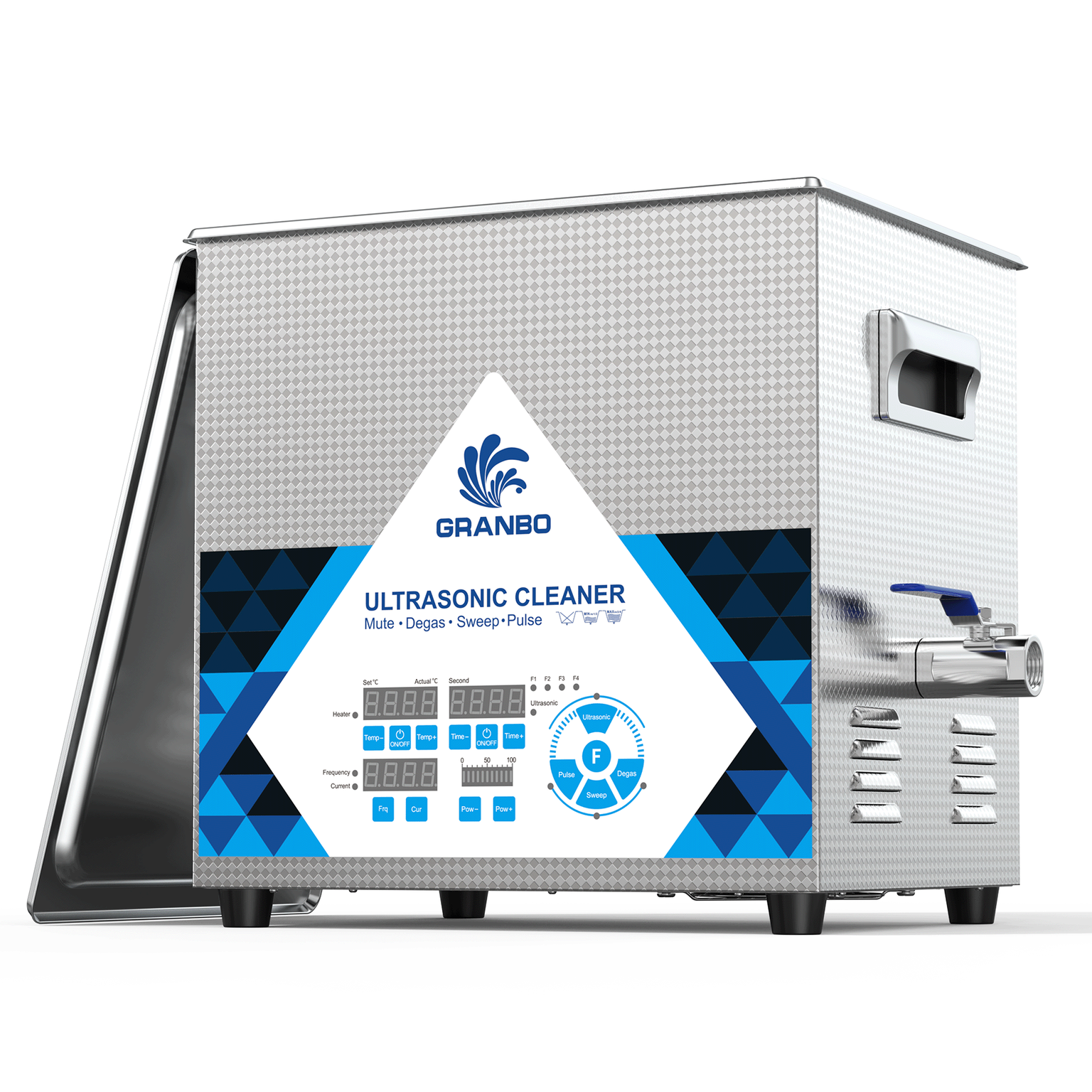
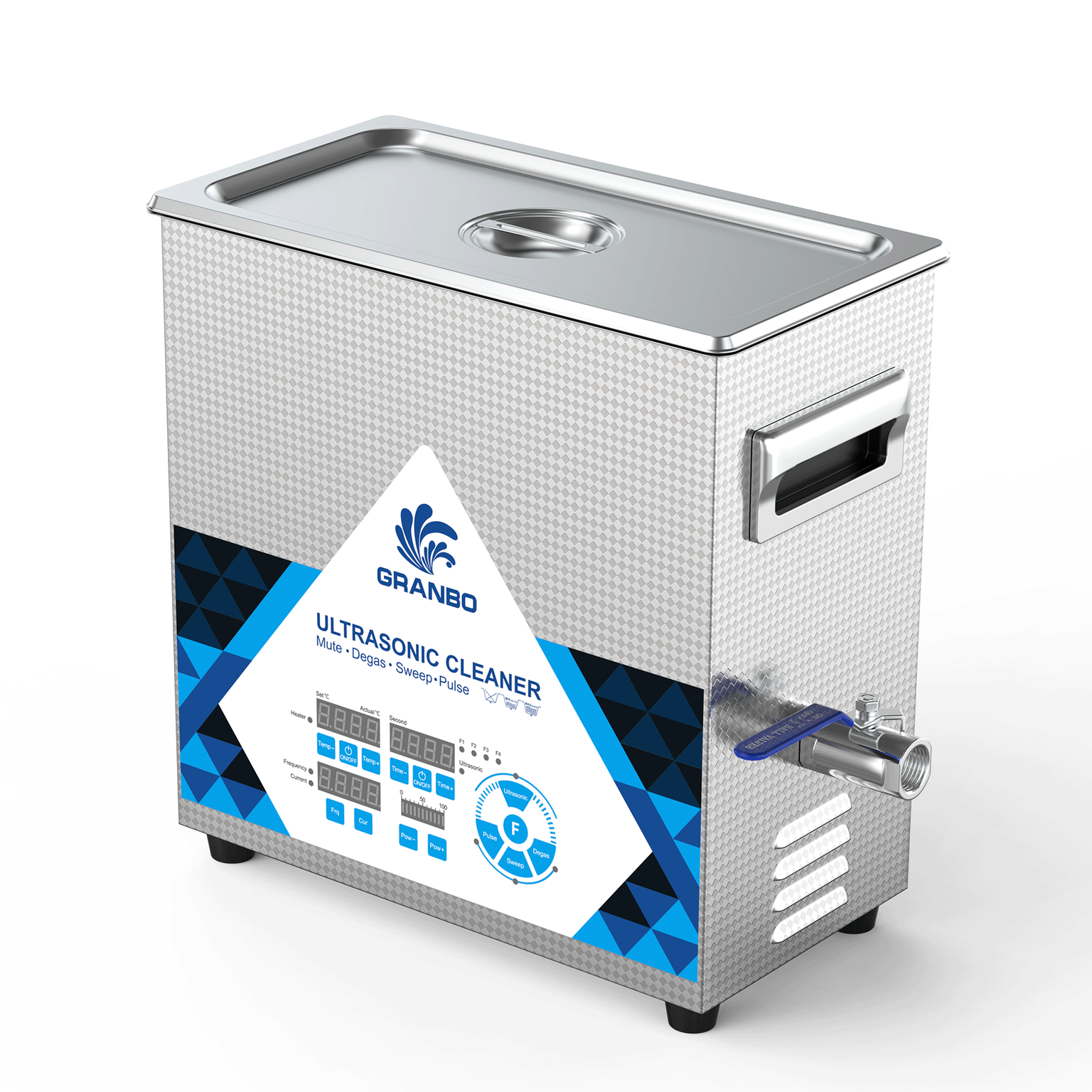
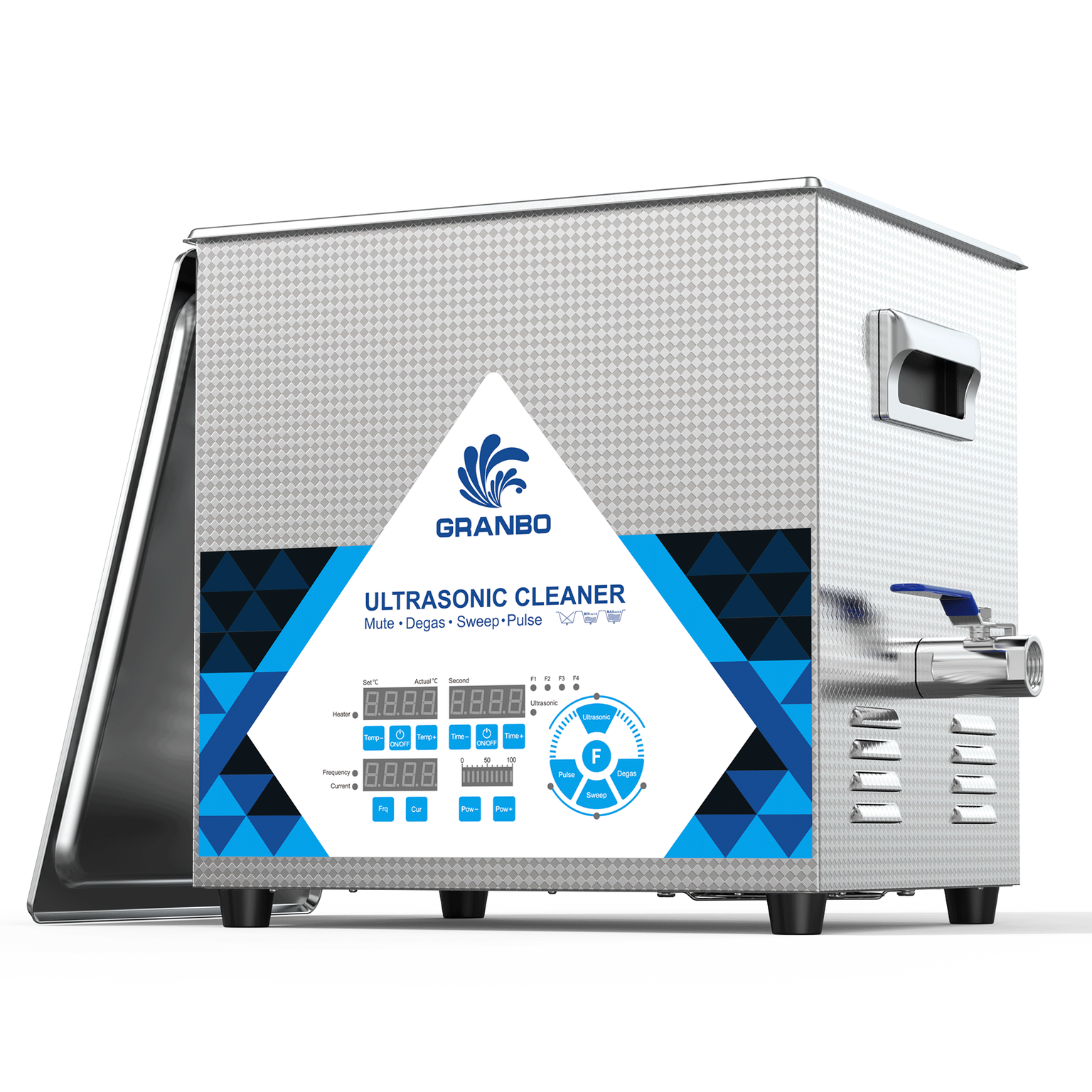
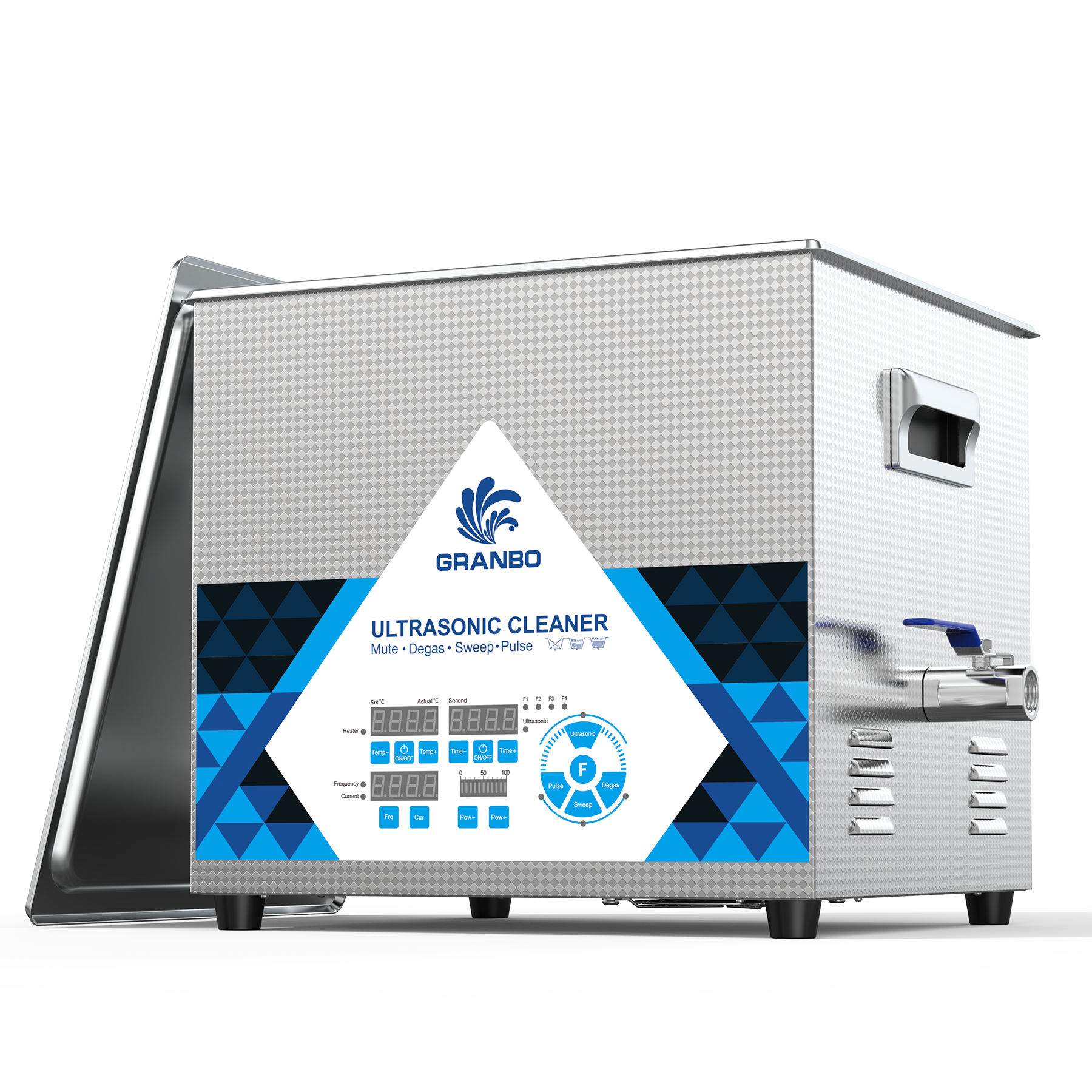
Granbo GA008 Household Ultrasonic Cleaner for Jewelry, Glasses, Watches, and Accessories
The Short Answer: It Depends on the Material
Ultrasonic cleaners do not inherently damage all jewellery. The outcome depends entirely on the specific materials, construction methods, and existing condition of each piece. Certain gemstones and metals demonstrate excellent compatibility with ultrasonic cleaning, while others suffer immediate or progressive damage from the same treatment.
Compatible materials include diamonds, rubies, sapphires, solid gold, platinum, and sterling silver when properly set and untreated. These materials possess the hardness, structural integrity, and chemical stability to withstand cavitation forces and cleaning solutions.
Incompatible materials include pearls, opals, emeralds, amber, coral, turquoise, and many other gemstones. These materials exhibit vulnerabilities from organic composition, porous structure, existing treatments, or insufficient hardness. Exposure to ultrasonic cleaning causes surface degradation, internal fracturing, treatment failure, or complete structural collapse.
Mixed-material jewellery requires assessment based on the most vulnerable component. A diamond ring with pearl accents cannot receive ultrasonic cleaning despite the diamond’s compatibility. The presence of any incompatible material makes the entire piece unsuitable for this cleaning method.
How Ultrasonic Cleaners Work
Ultrasonic jewellery cleaners generate high-frequency sound waves through transducers attached to a cleaning tank. Most household ultrasonic cleaners operate between 40 and 80 kHz, creating rapid pressure changes in the liquid that generate millions of microscopic cavitation bubbles for cleaning jewellery, glasses, and watches.
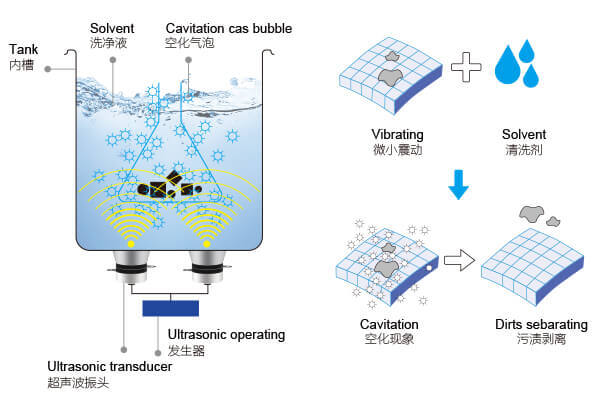
The Principle Behind Ultrasonic Cleaning
Each bubble exists for only microseconds before violently imploding. The collapse generates shock waves and high-velocity liquid jets that impact nearby surfaces with forces reaching several thousand atmospheres. These micro-jets penetrate intricate settings, filigree work, and behind mounted stones where manual cleaning cannot reach.
The mechanical action dislodges dirt, oils, cosmetics, and accumulated residues without requiring physical scrubbing. This non-contact cleaning proves highly effective for durable materials but becomes destructive when directed at vulnerable substances. The same forces that remove stubborn contamination also erode soft materials, propagate existing fractures, and separate weakly bonded components.
Temperature control affects cleaning efficiency and material safety. Most units operate between 40°C and 60°C to improve solution effectiveness. Elevated temperatures accelerate chemical reactions, soften organic residues, and reduce solution viscosity for better cavitation. However, thermal expansion stress compounds mechanical forces, increasing damage risk for vulnerable materials.
Cleaning solution chemistry provides additional cleaning action beyond mechanical cavitation. Formulations typically include surfactants, pH adjusters, chelating agents, and sometimes mild solvents. These chemicals enhance dirt removal from compatible materials but may attack vulnerable gemstones or corrode certain metals. Solution selection must consider both mechanical and chemical compatibility with jewellery materials.
Jewellery Materials That Clean Safely
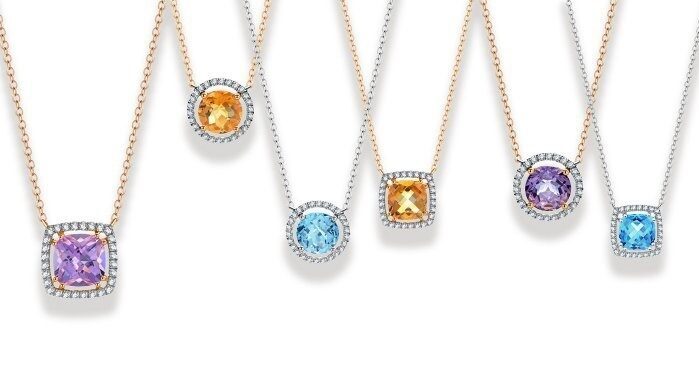
jewelry cleaner
Diamonds and Hard Gemstones
Natural diamonds rank as the hardest known material at 10 on the Mohs scale, making them essentially impervious to ultrasonic damage. The crystalline structure exhibits exceptional strength and chemical stability. Cavitation forces cannot scratch, chip, or erode diamond surfaces under normal cleaning conditions.
Properly set diamonds benefit significantly from ultrasonic cleaning. The technique removes accumulated oils and dirt from beneath stone settings where visibility and manual access prove limited. Restored transparency and brilliance demonstrate cleaning effectiveness. The method works equally well for diamond simulants like cubic zirconia that share similar hardness characteristics.
Natural rubies and sapphires, both corundum varieties measuring 9 on the Mohs scale, clean safely when untreated. These crystalline aluminum oxide gemstones resist both mechanical and chemical attack. The extreme hardness prevents cavitation erosion while chemical inertness protects against solution damage.
Other hard, stable gemstones suitable for ultrasonic cleaning include chrysoberyl, spinel, topaz, and garnet. These materials combine sufficient hardness, typically 7.5 or higher, with crystalline structures that resist fracturing. Absence of significant porosity or chemical reactivity completes their compatibility profile.
Precious Metals
Pure gold (24 karat), while relatively soft at 2.5 to 3 on the Mohs scale, tolerates ultrasonic cleaning due to its malleability and chemical stability. The metal deforms rather than fractures under stress, preventing crack propagation. Complete resistance to oxidation and most chemical solutions eliminates corrosion concerns.
Gold alloys used in jewellery, including 14k and 18k formulations, clean safely when construction quality ensures structural integrity. The added metals (copper, silver, zinc, or nickel) increase hardness while maintaining adequate ductility. Properly manufactured gold jewellery without loose stones or weak solder joints handles ultrasonic treatment without issue.
Platinum and its alloys demonstrate exceptional compatibility with ultrasonic cleaning. The dense, chemically inert metal resists virtually all cleaning solutions. Higher hardness compared to pure gold provides additional structural strength. Professional jewellers routinely ultrasonic-clean platinum pieces without concern.
Sterling silver (92.5% silver, 7.5% copper) cleans effectively in ultrasonic units. The process removes tarnish along with accumulated dirt. Cavitation reaches intricate details in ornate silver pieces where manual polishing proves difficult. Post-cleaning rinsing removes all solution residues that might promote future tarnishing.
Durable Treated Stones
Certain treated gemstones withstand ultrasonic cleaning when treatments involve permanent structural modifications. Heat-treated sapphires and rubies, where controlled heating permanently alters color, clean as safely as untreated stones. The heat treatment creates stable color through atomic-level changes that cavitation cannot reverse.
Similarly, diffusion-treated stones where color-causing elements penetrate crystal structure generally tolerate ultrasonic cleaning. The treatment integrates with the crystal lattice rather than applying surface coatings. Standard cleaning neither removes color nor damages structure.
However, verification of specific treatment types becomes essential before ultrasonic processing. Jewellery documentation or professional gemological assessment identifies treatment methods. When treatment details remain unknown, conservative manual cleaning eliminates damage risks.
Jewellery Materials That Risk Damage
Organic Gemstones
Pearls represent the most commonly damaged organic gemstone. The layered nacre structure composed of calcium carbonate and protein demonstrates extreme vulnerability. Cavitation erodes surfaces, separates layers, and destroys the luster that determines pearl value. All pearl varieties, including natural, cultured, freshwater, and saltwater types, suffer irreversible damage from any ultrasonic exposure.
Coral consists of calcium carbonate skeletal structures from marine organisms. The porous material absorbs cleaning solutions that cause discoloration and structural weakening. Surface erosion from cavitation removes material and roughens the polished finish. Both red coral and black coral varieties require complete exclusion from ultrasonic cleaning.
Amber, fossilized tree resin, exhibits softness (2 to 2.5 on Mohs scale) and solubility in various solvents. Cavitation scratches and pits surfaces while certain cleaning solutions dissolve or cloud the material. The organic composition provides no resistance to mechanical or chemical stresses.
Ivory, jet, and mother-of-pearl similarly combine organic composition with structural vulnerability. These materials crack, delaminate, or discolor when exposed to ultrasonic cleaning. Modern ethical concerns about ivory make its appearance in contemporary jewellery rare, but antique pieces containing ivory require specialized care excluding ultrasonic methods.
Porous and Soft Stones
Turquoise, measuring 5 to 6 on the Mohs scale, contains natural porosity that absorbs cleaning solutions. Absorbed liquids alter color, create staining, and weaken matrix structure. Many turquoise stones receive stabilizing treatments involving resin impregnation. Ultrasonic cleaning can disrupt these treatments, causing color loss or surface deterioration.
Opals contain 3% to 21% water within their silica structure. The relatively soft material (5.5 to 6.5 on Mohs scale) scratches easily under cavitation. More critically, opals can dehydrate, craze (develop surface cracks), or fracture from mechanical stress or temperature changes during ultrasonic cleaning. Both precious and common opal varieties require protection from this treatment.
Lapis lazuli combines several minerals in a matrix structure with varying hardness. The porous aggregate absorbs solutions that may leach dye treatments or cause discoloration. Surface treatments common on lapis cannot withstand cavitation forces.
Malachite, azurite, and other copper-based minerals demonstrate softness (3.5 to 4 on Mohs scale) and chemical reactivity. Acidic cleaning solutions dissolve these copper carbonates. The banded or layered structure provides crack pathways that cavitation exploits.
Fracture-Filled and Treated Materials
Emeralds commonly contain natural fractures or inclusions that manufacturers fill with oils, resins, or polymers to improve clarity and appearance. These fillings occupy surface-reaching fractures throughout the stone. Ultrasonic cavitation dislodges fillings, causing previously hidden fractures to become visible and reducing apparent stone quality.
The standard industry practice of treating emeralds makes assuming fill presence safer than assuming absence. Even untreated emeralds often contain fractures that propagate under ultrasonic stress. The relatively low hardness (7.5 to 8 on Mohs scale) provides insufficient resistance to cavitation forces.
Surface-coated gemstones lose coatings during ultrasonic cleaning. Mystic topaz, rainbow quartz, and similar treated stones receive thin film coatings that create color effects. Cavitation strips these coatings partially or completely, destroying the intended appearance.
Dyed gemstones, including dyed jade, chalcedony, and howlite, may lose color as ultrasonic action and cleaning solutions extract dye from porous structures. The aggressive cleaning that effectively removes dirt also removes intentional color treatments.
Assembled Jewellery
Doublets and triplets, gemstone assemblies bonding two or three layers with adhesive, fail when ultrasonic energy disrupts bonding. Opal doublets cementing thin opal slices to backing material separate at the adhesive layer. The components remain intact, but the assembled stone disintegrates.
Antique or delicate jewellery with adhesive-set stones risks losing gems during ultrasonic cleaning. Traditional assembly methods sometimes used adhesives rather than mechanical prong or bezel settings. Modern adhesives generally provide greater strength, but prolonged ultrasonic exposure may still compromise bonds.
Jewellery containing enamel work should avoid ultrasonic cleaning. The glass-like enamel bonds to metal bases through fusion at high temperatures. While the bond proves generally durable, cavitation forces applied to pre-existing microcracks can cause enamel chipping or complete detachment.
Types of Damage That Can Occur
Ultrasonic damage manifests through several distinct mechanisms depending on material characteristics. Surface erosion occurs when cavitation mechanically removes material through repeated micro-impacts. Soft stones show progressive roughening that dulls polished finishes. Continued exposure removes measurable material thickness.
Fracture propagation affects materials containing pre-existing cracks or cleavage planes. The shock waves from bubble collapse create stress concentrations at crack tips that extend fractures deeper into material. Gemstones appearing intact may develop internal fractures that eventually reach surfaces.
Chemical dissolution damages materials reactive with cleaning solutions. Calcium carbonate gemstones including pearls, coral, and calcite react with acidic solutions. Even mildly acidic formulations dissolve measurable material over cleaning durations. Alkaline solutions attack different materials through alternative chemical pathways.
Thermal shock results from temperature differentials between cleaning solution and jewellery or from rapid heating and cooling cycles. Materials with low thermal shock resistance develop cracks from expansion mismatches between components or within single materials having directional properties.
Delamination affects layered or composite materials where bonding between layers provides less strength than bulk material. Pearls, doublets, and some sedimentary stones separate along weak interfaces. Once separation begins, continued ultrasonic exposure accelerates the process until complete structural failure occurs.
Treatment failure damages artificially enhanced gemstones. Dyes extract, fillings dislodge, surface coatings strip away, or diffusion layers erode. The gemstone may remain physically intact while losing the enhancement that provided its desirable appearance and market value.
Setting damage loosens or breaks prongs, bezels, and other mounting structures. While metals themselves tolerate ultrasonic cleaning, thin prongs weakened by previous wear may fatigue under vibration. Solder joints with existing cracks may fail. These mechanical failures result in stone loss during or after cleaning.
Preventing Damage: Safe Operating Practices
Material identification constitutes the essential first step before any ultrasonic cleaning. Professional gemological assessment provides definitive identification when visual inspection proves inconclusive. Testing equipment including refractometers, specific gravity measurements, and spectroscopic analysis distinguishes similar-appearing materials with different ultrasonic compatibility.
Visual inspection detects existing damage that ultrasonic cleaning might worsen. Examination under magnification reveals surface cracks, loose stones, weak prongs, or previous repairs. Any pre-existing structural compromise indicates higher damage risk. Addressing repairs before cleaning prevents complete failures.
Appropriate solution selection matches chemical formulation to jewellery materials. Neutral pH solutions minimize chemical reactivity with sensitive materials. Specialized formulations exist for specific metal types or cleaning challenges. Following manufacturer recommendations for solution concentration prevents excessive chemical exposure.
Time limitation reduces damage accumulation for marginal materials. Standard cleaning cycles run 3 to 10 minutes for most jewellery. Reducing duration to 1 to 3 minutes for questionable pieces limits mechanical and chemical exposure. Multiple short cycles with intermediate inspection prove safer than single extended treatments.
Temperature moderation decreases thermal stress. Operating at lower temperatures, typically 40°C rather than 60°C, reduces thermal expansion differentials and chemical reaction rates. The trade-off involves somewhat reduced cleaning effectiveness that may require longer cycles, partially offsetting the temperature benefit.
Basket positioning affects cleaning intensity. Jewellery placed near tank bottoms experiences maximum cavitation intensity. Suspending items higher in the solution reduces mechanical forces. This technique suits slightly vulnerable materials requiring gentle treatment while maintaining adequate cleaning.
Post-cleaning inspection verifies that no damage occurred and cleaning achieved desired results. Magnified examination compares post-cleaning condition against pre-cleaning documentation. Immediate damage detection allows prompt professional intervention before minor issues progress to major losses.
When Professional Cleaning Is Necessary
Complex antique jewellery requires professional evaluation before any cleaning. Historical pieces may contain unusual materials, outdated construction techniques, or accumulated damage from previous cleanings. Professional conservators assess condition and determine appropriate maintenance methods that preserve historical integrity.
High-value items justify professional service expenses through damage prevention. Gemological laboratories and certified jewellers carry insurance covering potential damage during service. The modest professional cleaning cost represents negligible expense compared to repairing damage from inappropriate home cleaning.
Mixed-material jewellery benefits from professional segmented cleaning. Trained technicians clean compatible components with appropriate aggressive methods while protecting vulnerable materials. This selective approach optimizes results for each material type within single pieces.
Jewellery showing existing damage needs professional repair before cleaning. Loose stones require tightening, cracked prongs need replacement, and fractured gemstones may require removal to prevent loss. Professional evaluation identifies all issues requiring attention before safe cleaning can proceed.
When material identification remains uncertain, professional assessment eliminates guesswork. Gemological laboratories definitively identify stones and detect treatments affecting cleaning compatibility. This verification prevents costly mistakes from treating incompatible materials with ultrasonic energy.
Material-Specific Cleaning Guidelines
For diamonds in secure settings: ultrasonic cleaning provides optimal maintenance. Cycle times of 3 to 5 minutes with appropriate solution remove accumulated oils and restore brilliance. Frequency depends on wearing patterns, with monthly cleaning typical for regularly worn pieces.
For gold and platinum jewellery without vulnerable gemstones: ultrasonic cleaning efficiently maintains appearance. The process removes accumulated skin oils, cosmetics, and environmental contaminants. Polishing after ultrasonic cleaning enhances results by addressing surface scratches that cleaning alone cannot eliminate.
For pearls and pearl jewellery: manual cleaning with damp soft cloths provides safe maintenance. Mild soap solutions suit deeper cleaning when needed, applied briefly and rinsed thoroughly. Avoiding all mechanical and ultrasonic cleaners preserves pearl integrity indefinitely.
For emeralds: gentle manual cleaning with soft brushes and mild detergent solutions proves safest. Avoiding ultrasonic cleaners prevents fracture extension and filling loss. Professional cleaning services offer specialized emerald treatment when needed.
For opals: minimal moisture exposure protects against crazing. Dry soft cloth wiping removes surface contamination. Professional opal dealers offer specialized cleaning maintaining optimal hydration without mechanical stress.
For mixed-material pieces: cleaning methods accommodate the most vulnerable component. Diamond and pearl combinations receive manual pearl-safe treatment despite diamond compatibility with ultrasonic cleaning. Complete piece assessment determines safe approaches.
Ultrasonic cleaners offer highly effective jewellery maintenance when material compatibility permits their use. Diamonds, hard gemstones, and precious metals clean safely with proper technique, while organic gems, soft stones, treated materials, and assembled pieces require alternative methods. Material identification, existing condition assessment, and appropriate technique selection prevent damage while maintaining jewellery appearance and value. Professional services provide expert care when uncertainty exists or complex jewellery requires specialized treatment.
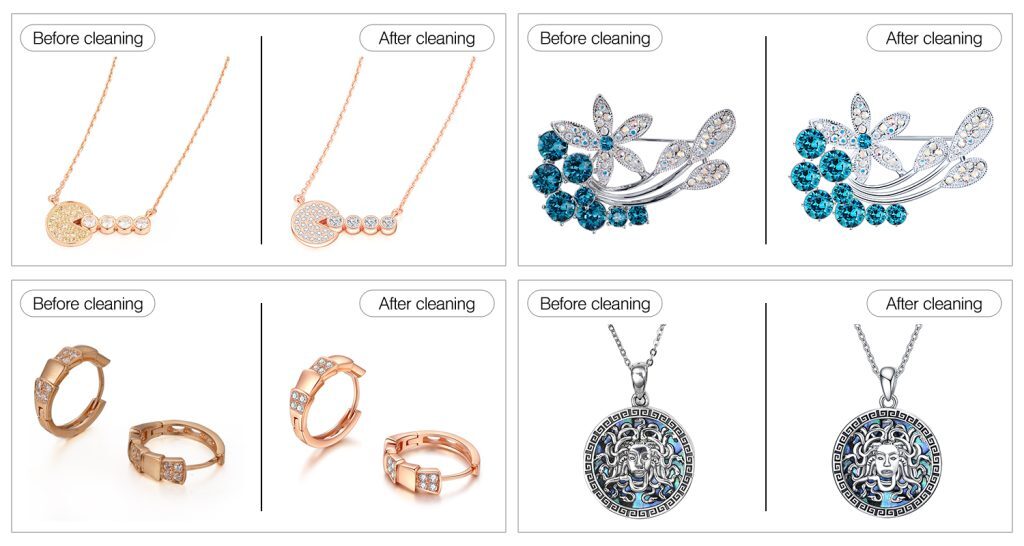
Granbo Ultrasonic Jewelry Cleaning Effect